
Why Physical Vape Stores Still Matter
Since vaping products entered the market, physical vape stores have thrived in the United States, the United Kingdom, Japan, and Southeast Asia. Although e-commerce is increasingly developed in these regions, most consumers still prefer buying vaping prod
Since the advent of e-cigarettes, the market for physical e-cigarette stores has thrived in the United States, the United Kingdom, Japan, and Southeast Asia.
Although e-commerce is increasingly developing in these regions, general consumers still prefer to purchase e-cigarette products from physical stores. This is because e-cigarettes are highly experience-dependent products, and physical stores can meet consumers' needs for experience and choice.
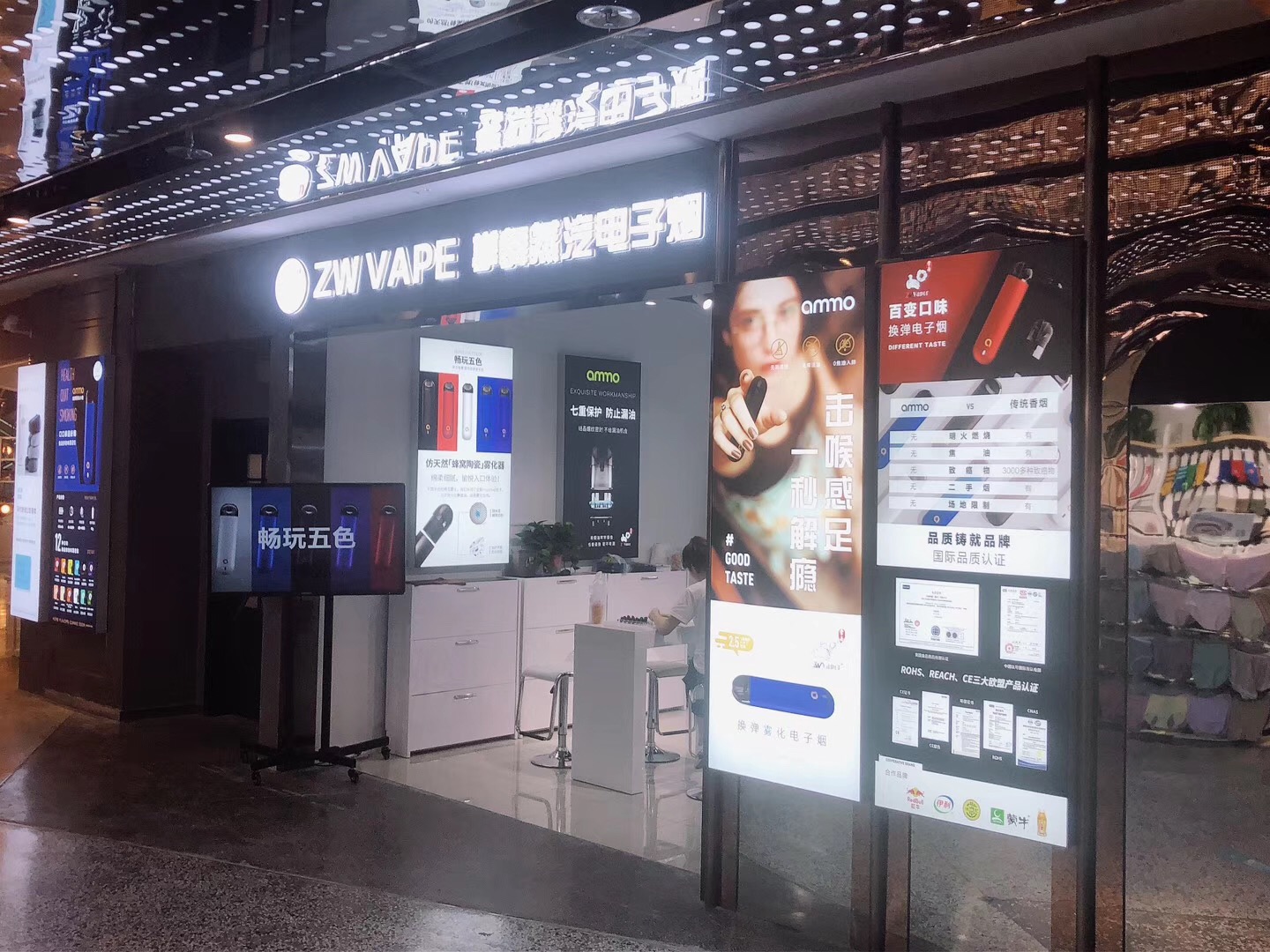
However, the situation in the domestic e-cigarette market is quite the opposite.
Although China is the world's largest e-cigarette production base, with 90% of the world's e-cigarettes coming from China, due to the shopping habits of the public, most people rely heavily on e-commerce, resulting in a relatively low percentage of consumers willing to visit physical stores to purchase e-cigarettes.
Perhaps for e-cigarette manufacturers and brands, regardless of the sales channel, overall performance continues to grow, so physical stores may not seem that important. However, in reality, physical stores not only affect the promotion of e-cigarettes but also have a significant relationship with consumer experience and public acceptance of e-cigarettes.
1. E-commerce communication is inconvenient
Chinese consumers are very enthusiastic about online shopping, and anything can be purchased from platforms like JD.com and Taobao, often at lower prices than physical stores. This is because physical stores incur renovation and rent costs. Although e-commerce sounds convenient, even if the platform has a chat function with sellers, many consumers find it difficult to articulate their situations. For example, if they encounter issues like condensation, leaking oil, or charging problems, they may assume the product is faulty and request a return. Without face-to-face communication, it is challenging to understand consumers' usage habits and needs.
2. E-commerce customers lack loyalty
It is difficult for e-commerce to build emotional connections with customers, leading to low repurchase rates. Customers are often comparing prices, and many are one-time buyers. This is detrimental to customers, as the convenience and ease of use of pod-based e-cigarettes lower the barrier for traditional smokers to switch to e-cigarette products. Consumers can easily learn to operate them. However, many consumers are unfamiliar with e-cigarettes and do not understand the principles of how e-cigarettes replace traditional cigarettes, leading to a lack of awareness and usage education. As a result, consumers may easily abandon their quit-smoking intentions after their first experience, leading to failure in quitting.
3. Physical stores can provide high-quality products
While the internet is not lawless, e-commerce platforms are flooded with counterfeit e-cigarettes and fake e-liquids that harm people's health, which undoubtedly tarnishes the reputation of e-cigarettes. Physical stores are subject to stricter market regulations, allowing them to offer various high-quality products, as well as reliable product information and advice. Physical stores play an important role in reducing tobacco harm, and if their service models can help traditional smokers quit, their value in harm reduction for society will also increase.
In summary, whether from the perspective of e-cigarette product safety or the reduction of tobacco harm, the existence of physical stores is necessary. The competition among major e-cigarette brands for offline channels has already begun, and it is believed that this will also promote the development of physical e-cigarette stores.
Although e-commerce is increasingly developing in these regions, general consumers still prefer to purchase e-cigarette products from physical stores. This is because e-cigarettes are highly experience-dependent products, and physical stores can meet consumers' needs for experience and choice.
However, the situation in the domestic e-cigarette market is quite the opposite.
Although China is the world's largest e-cigarette production base, with 90% of the world's e-cigarettes coming from China, due to the shopping habits of the public, most people rely heavily on e-commerce, resulting in a relatively low percentage of consumers willing to visit physical stores to purchase e-cigarettes.
Perhaps for e-cigarette manufacturers and brands, regardless of the sales channel, overall performance continues to grow, so physical stores may not seem that important. However, in reality, physical stores not only affect the promotion of e-cigarettes but also have a significant relationship with consumer experience and public acceptance of e-cigarettes.
1. E-commerce communication is inconvenient
Chinese consumers are very enthusiastic about online shopping, and anything can be purchased from platforms like JD.com and Taobao, often at lower prices than physical stores. This is because physical stores incur renovation and rent costs. Although e-commerce sounds convenient, even if the platform has a chat function with sellers, many consumers find it difficult to articulate their situations. For example, if they encounter issues like condensation, leaking oil, or charging problems, they may assume the product is faulty and request a return. Without face-to-face communication, it is challenging to understand consumers' usage habits and needs.
2. E-commerce customers lack loyalty
It is difficult for e-commerce to build emotional connections with customers, leading to low repurchase rates. Customers are often comparing prices, and many are one-time buyers. This is detrimental to customers, as the convenience and ease of use of pod-based e-cigarettes lower the barrier for traditional smokers to switch to e-cigarette products. Consumers can easily learn to operate them. However, many consumers are unfamiliar with e-cigarettes and do not understand the principles of how e-cigarettes replace traditional cigarettes, leading to a lack of awareness and usage education. As a result, consumers may easily abandon their quit-smoking intentions after their first experience, leading to failure in quitting.
3. Physical stores can provide high-quality products
While the internet is not lawless, e-commerce platforms are flooded with counterfeit e-cigarettes and fake e-liquids that harm people's health, which undoubtedly tarnishes the reputation of e-cigarettes. Physical stores are subject to stricter market regulations, allowing them to offer various high-quality products, as well as reliable product information and advice. Physical stores play an important role in reducing tobacco harm, and if their service models can help traditional smokers quit, their value in harm reduction for society will also increase.
In summary, whether from the perspective of e-cigarette product safety or the reduction of tobacco harm, the existence of physical stores is necessary. The competition among major e-cigarette brands for offline channels has already begun, and it is believed that this will also promote the development of physical e-cigarette stores.
Related Articles

Vaping News
Ahead of a Nationwide Ban, Hundreds of Russian Retailers Voluntarily Stop Selling Vapes
2026-04-16

Vaping News
Illegal Vape Brands Try to Evade FDA Scrutiny by Posing as “Made in the USA”
2026-04-08

Vaping News
Jordan’s New Tobacco Control Rules: Waterpipe Tobacco Market Set for Major Changes
2026-03-17