What Certifications Are Required to Export E-Cigarettes?

Recently, many customers have been asking about the certifications required for exporting e-cigarettes. Below, we’ve gathered ten answers for your reference! (What qualifications are needed to export e-cigarettes?) It’s worth a read.
Certifications Required for E-Cigarette Export
1. We are a foreign trade company and want to export e-cigarettes. What certifications do we need?
For exporting e-cigarettes, EU countries generally require CE and RoHS certifications, while the US typically requires FCC certification. These are the most common ones, though certification requirements vary by country.
2. What certifications are generally needed to export e-cigarettes overseas?
EU: CE, ROHS; US: FCC; Japan: PSE; Australia: C-tick; South Korea: KC; Canada: IC. If you have any other questions, you can contact us for consultation.
3. What certifications are needed for disposable e-cigarettes?
The key factor is which country you are exporting to, since different countries have different certification requirements. For e-cigarettes with built-in batteries, a UN33 air/sea transport report and MSDS are required.
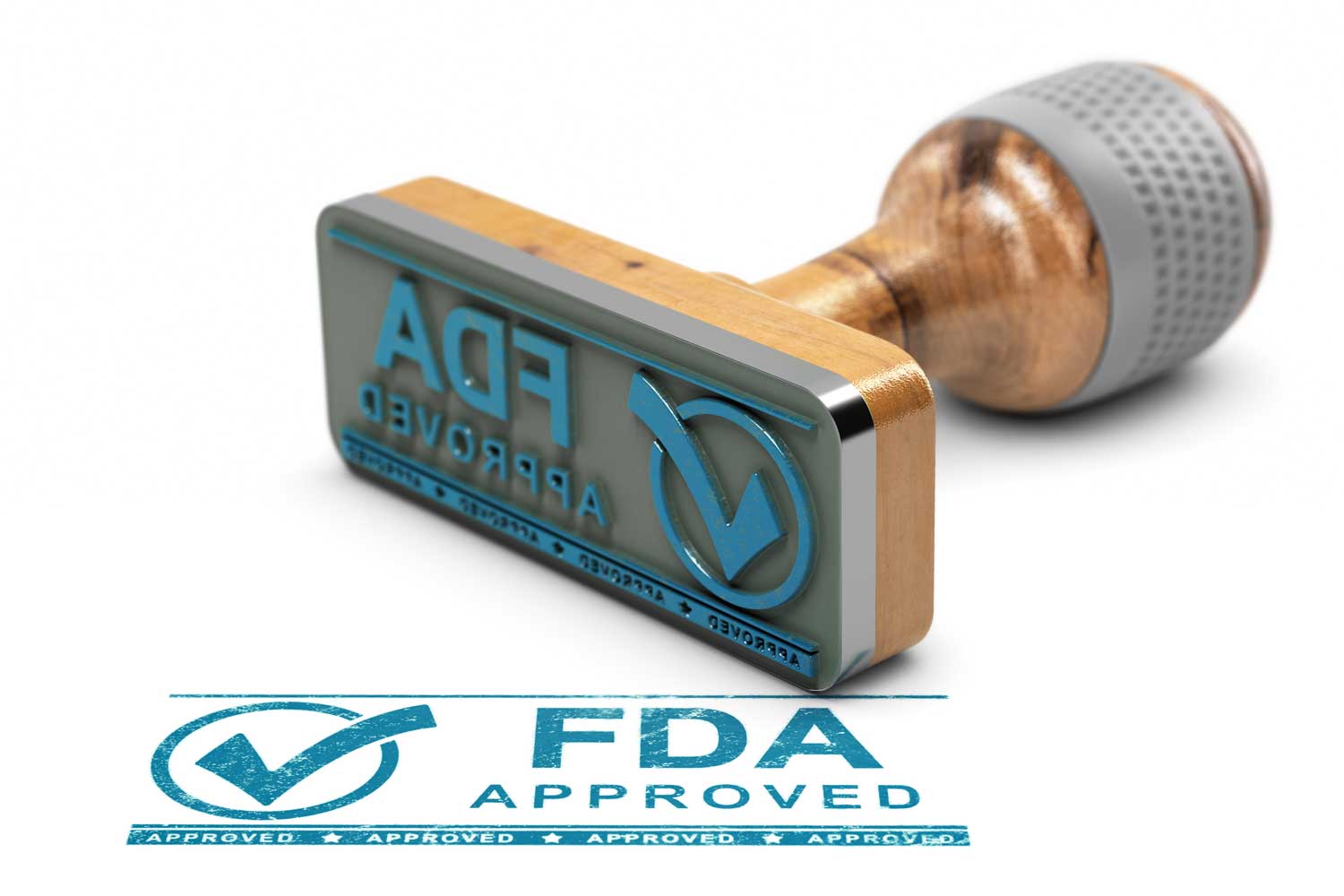
4. Can e-cigarettes exported to the US obtain FDA certification?
US FDA certification testing materials include plastic, silicone rubber, stainless steel, ceramic, glass, non-stick cookware and other organic coatings, wood, bamboo products, and more. It evaluates chemical parameters, biological parameters, and sensory parameters to analyze product composition and safety.
5. What EU certifications are there for e-cigarettes?
E-cigarette CE certification, e-cigarette 3C certification, e-cigarette FCC certification, e-cigarette FDA certification, e-cigarette PSE certification, e-cigarette RoHS certification, e-cigarette MSDS certification, e-cigarette quality inspection report, e-cigarette testing report, e-cigarette inspection report, e-cigarette KC certification, e-cigarette REACH certification, e-liquid ROHS certification, e-liquid MSDS certification, and e-liquid FDA certification.
6. Which countries import exported e-cigarettes?
There are many export destinations for e-cigarettes, including East Asian countries such as South Korea and Japan, as well as West Asian countries such as Pakistan. E-cigarettes are also exported to Europe and the Americas. In Chang’an, Dongguan, many businesses are engaged in e-cigarette exports, and Heima Electronic Technology is located in Shangsha Community, Chang’an Town.
7. What does CE certification for e-cigarettes include?
CE certification refers only to the basic safety requirements ensuring that a product does not endanger the safety of humans, animals, or goods; it is not a general quality requirement. Harmonized directives stipulate only the essential requirements, while general directive requirements are the task of standards. Therefore, the accurate meaning is that the CE mark is a safety compliance mark, not a quality compliance mark. It represents the core requirements of European directives.
8. How should e-cigarettes and e-liquid be exported?
For e-cigarette export, obtaining ROHS certification is generally sufficient, and the same applies to e-liquid. It still depends on the specific country you are exporting to, as different countries have different regulations and standards, and some requirements are quite strict.
9. Do all e-cigarettes have certifications?
E-cigarettes are products with technical content. Some products, such as those made by Heima Technology, do have certifications.
10. What certifications are required for exporting electronic products?
In general, electronic products exported to the EU only need CE and ROHS. If exported to Japan, PSE certification is required. Since July 1, LED lighting products have been required to obtain PSE certification. South Korea requires KC, Australia requires SAA, the US requires FCC/ETL/UL/FDA, and Middle Eastern countries may require COC customs clearance certificates, among others.