Competing in Japan’s Next-Generation Tobacco Market: Can BAT’s Low-Price Strategy Work?
 With Vuse as a pawn and low-cost strategy to enter East Asia, will British American Tobacco usher in an outbreak at some point in the future?
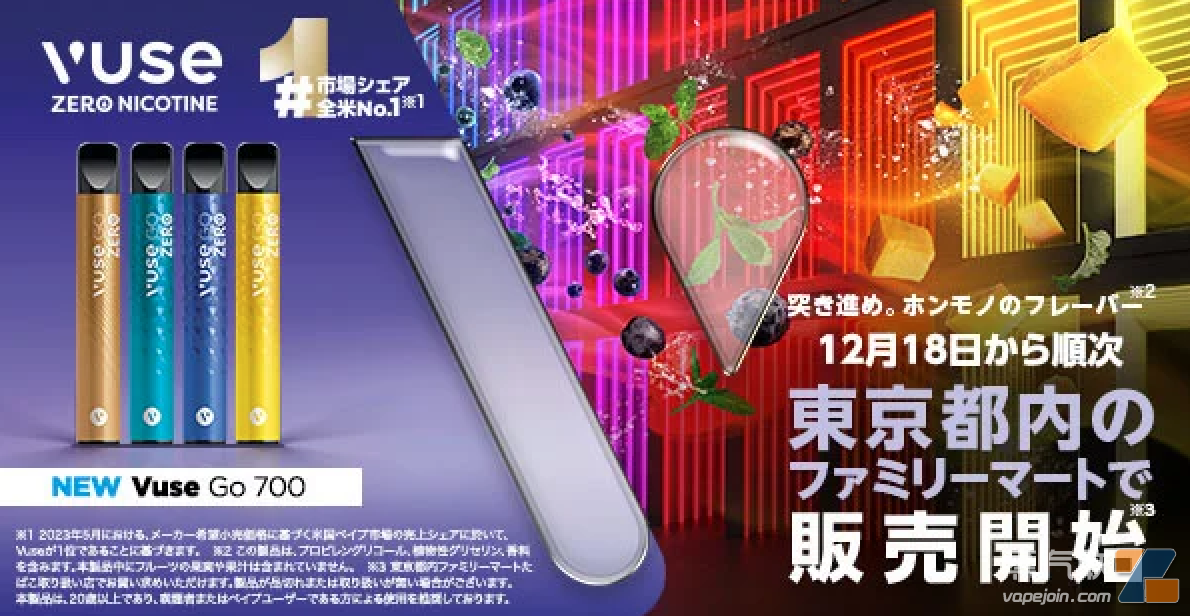
[Two Supremes Original] On December 18, 2023, in winter in Tokyo, among the approximately 2300 FamilyMart convenience stores, zero-nicotine modelse-cigarette products"VUSE Go 700" was put on shelves, and eight flavors were on sale, including "VUSE Go 700 Mint Ice" and "VUSE Go 700 Mango Ice".
In addition to taste, what brings greater surprises to local consumers is the price. Under the colorful products, the price tag shows only "980 yen (about US$6.78)."
The VUSE Go 700 has been described by local media as the "trump card" in the hands of BAT Japan. Since its launch, it has received good response.
Seeking breakthroughs in the Japanese and Korean markets
For a long time, in Europe, the United States, the Middle East and Southeast Asian markets, including Malaysia, the prices of British American Tobacco's products available on the market are often higher than those of similar competing products from friendly merchants, and they are rarely loosened. Taking the Middle East market as an example, in November, 2FIRSTS (Two Susts) discovered that it had launched large-scale disposable products "VUSE GO 5000" and "VUSE GO 6000" in this market. The official selling price of the VUSE GO 5000 with 5000 mouthfuls is set at 80 dirhams (approximately US$20.78). The local benchmark ELFBAR BC 5000, a 5000-product product sold by ELFBAR, is set at 38 dirhams (about US$10.35) less than half of it.
According to BAT's 2022 H1 financial report, its new VUSE has a market share of 34.7% in British American Tobacco's TOP5 market (the United States, Britain, France, Germany, and Canada). Such a strong performance really gave British American Tobacco no reason to make any concessions on existing prices.
However, in the Far East, the situation changed. BAT Japan has changed its parent company's traditional reserve and tried to break into this market divided by Japan Tobacco and Philip Morris's IQOS with a people-friendly attitude. Pricing, andyueshiInternational Japan launched a price of 1,320 yenRELX Compared with MagicGo, British American Tobacco's VUSE Go 700 is 1/4 cheaper with a similar zero-nickel configuration and the same number of 700 mouths.
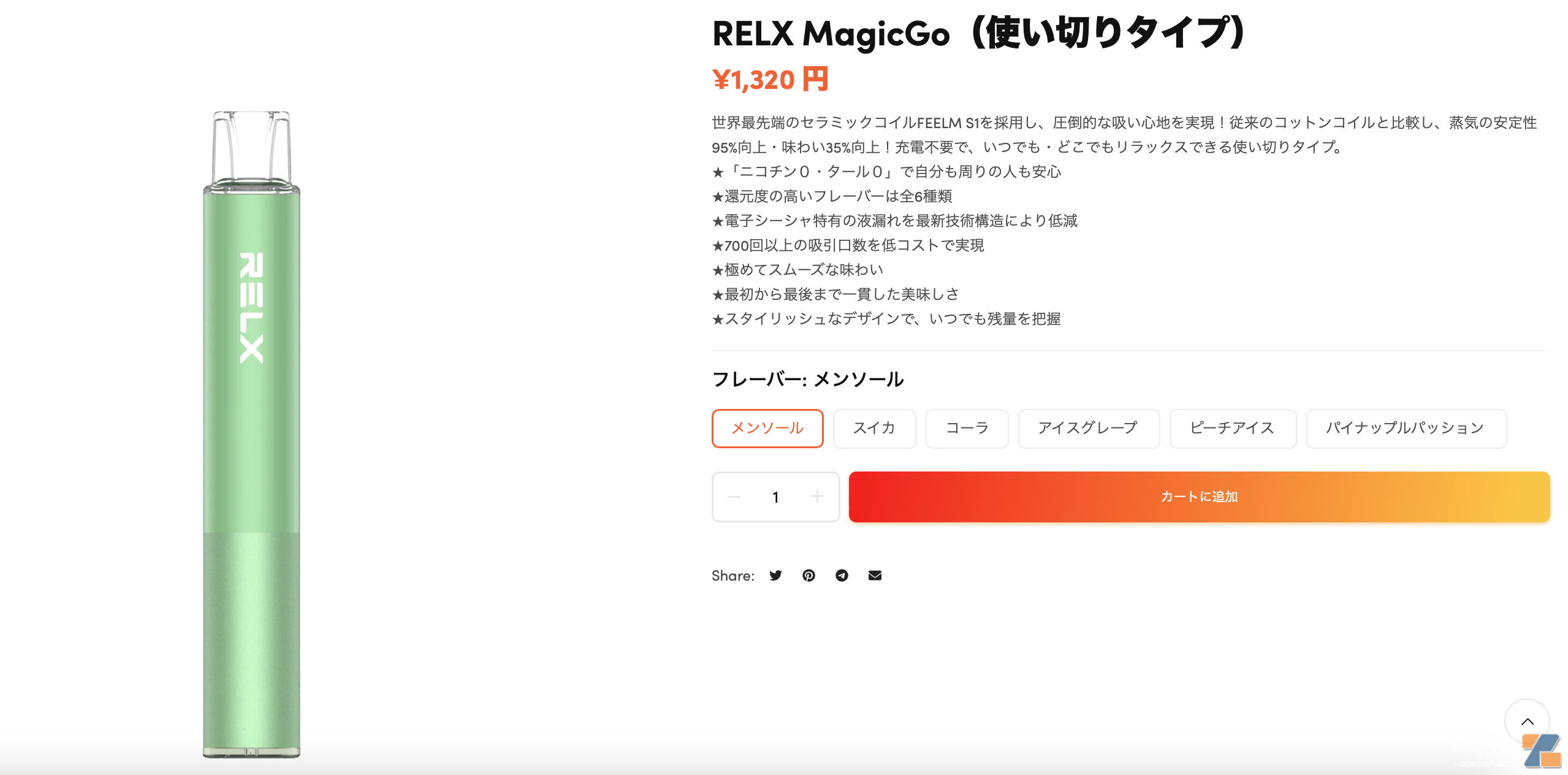 RELX Magicgo priced at 1,320 yen| Source: Screenshot from official website
However, British American Tobacco is still testing the bottom line of prices. After launching the convenience store chain, British American Tobacco Japan's next step is to carry out various marketing activities. Coinciding with the traditional "New Year Promotion" of the Japanese FMCG market, VUSE acted like a veteran player. During the promotion period, it waved its hand and significantly lowered the price of the "VUSEGo700", which was already as low as 980 yen. It can be purchased for only 784 yen (about US$5.45). The promotion lasted until January 7th.
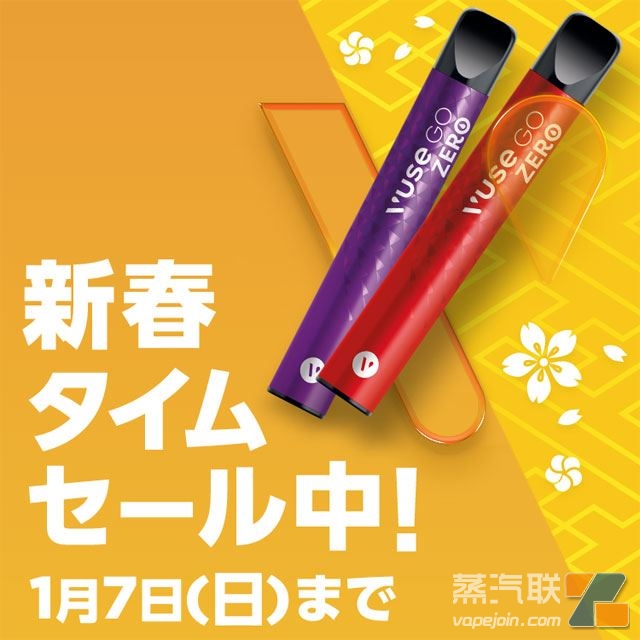 Glo Hyper Pro's 2024 New Year promotion ends on January 7| Source: Screenshot from official website
addition toe-cigarettes, the company isheating non-burning(HNB) The field is also taking frequent actions. In December 2023, British American Tobacco Japan released its new top-of-the-line Glo Hyper Pro under the Glo brand line on its HNB line. This product is equipped with a screen that displays the status of the device and a "taste selection button" that can be turned to change the heating mode. In Japan, the guide price for Glo hyper pro is 3,980 yen (approximately US$27.54). The price tag of Philip Morris International's IQOS flagship model with similar specifications has surprisingly approached 10,000 yen (about US$69.21). In contrast, Glo's price is not unfriendly.# p#pagination title #e#
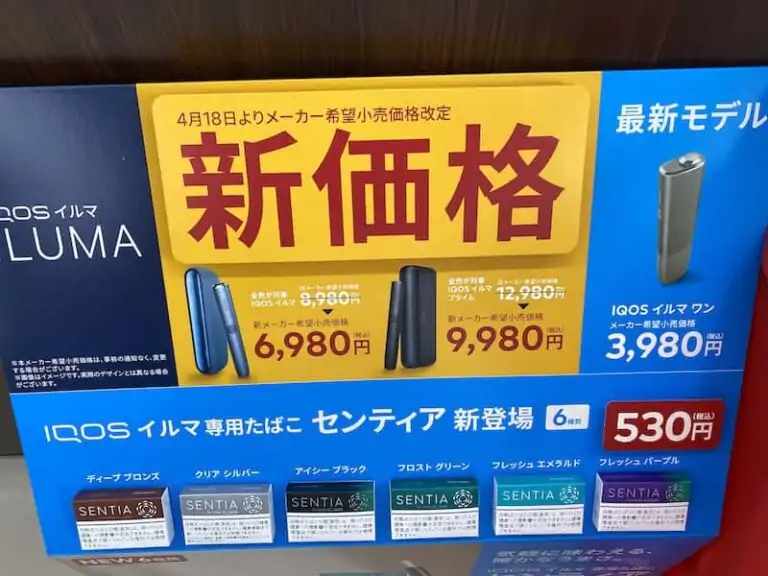 IQOS flagship model iLUMA, which is still close to 10,000 yen after discount| Source: Network
Such a "humble" attitude and affordable products have made Glo popular in the market. Since its launch, the market price of Glo Hyper Pro has been rising, and its price on the trading platform has exceeded the company's pricing, reaching approximately $41.39.
 After its launch, Glo Hyper Pro's reputation continued to rise, and the market price exceeded the official price.| Source: Screenshot of shopping website
Similar things are happening not only in Japan, but also in neighboring South Korea. Earlier than VUSE Go landed in Japan, British American Tobacco Rosmans announced on July 24, 2023 that it would bring the "VUSE" line to Asia for the first time. The VUSE Go 800 brought this time will be released in limited quantities in the capital area of Seoul, South Korea, and is planned to start selling in more than 8,500 places including convenience stores and tobacco stores in Seoul. In the future, it will be expanded to the country and sold for a people-friendly price of 10,000 won (US$7.6).
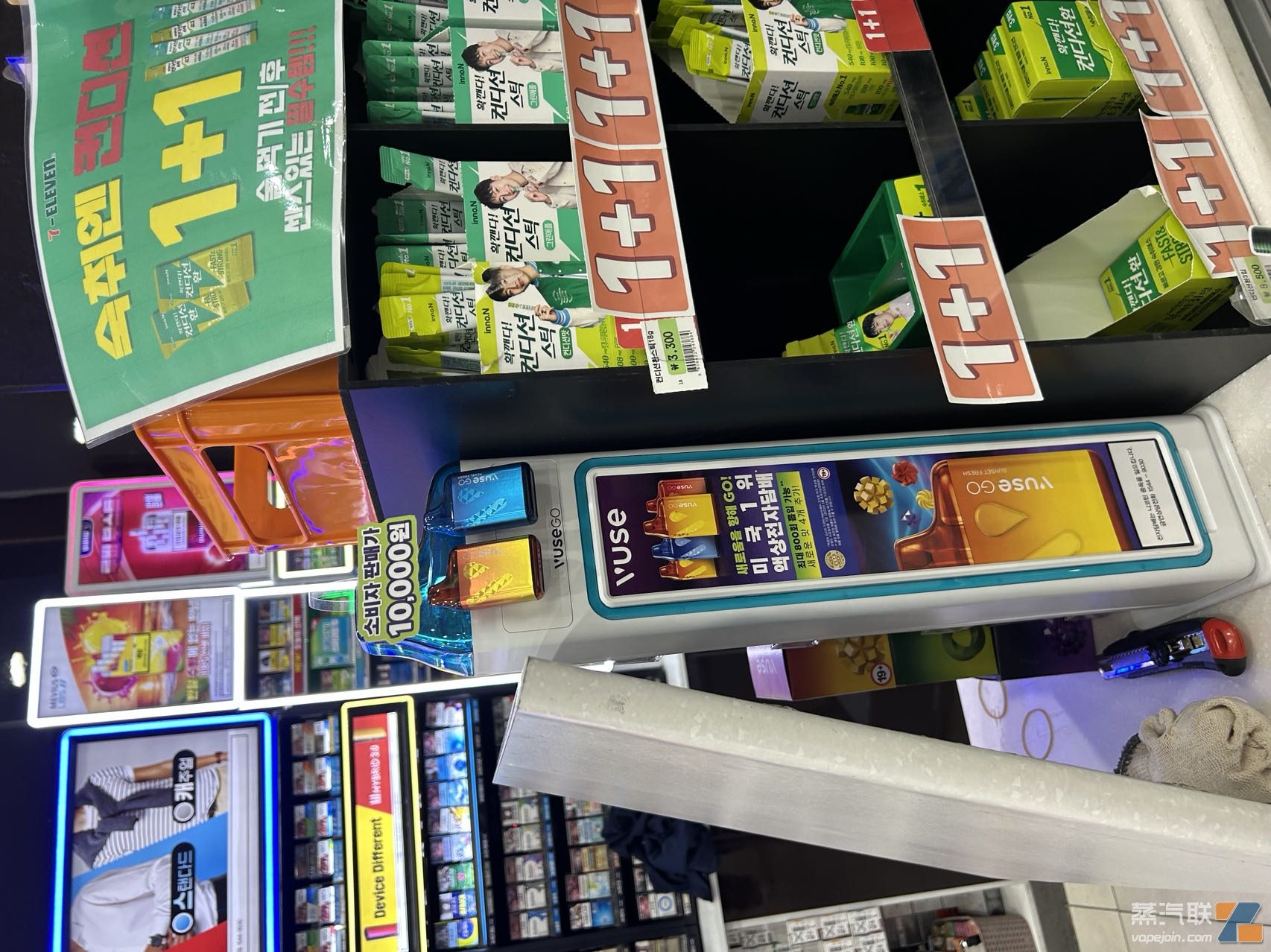 In South Korea, VUSE go 800 is priced at 10,000 won| Source: 2FIRSTS
double-sided pinch
Even though e-cigarettes were originally invented to reduce the use of traditional cigarettes, big tobacco companies have incorporated the e-cigarette business into their territory through purchases, mergers and acquisitions or establishing their own brand lines, becoming a key driving force for their growth in the new era. The competition between the three giants has long gone from traditional tobacco battles to today's new tobacco battlefield.
According to incomplete statistics, in the UK alone in 2021, British American Tobacco and Philip Morris sued each other over their respective six patents. In July 2021, the British High Court revoked four Philip Morris patents on HNB technology, and Philip Morris also successfully invalidated two British American Tobacco patents in March 2021; in Germany, the two parties also filed five lawsuits against each other. The other was sued in court for patent infringement, including HNB technology.
Resistance spreads to the East Asian market, Japan. At this time, British American Tobacco, which had always "fought" with Philip Morris, suddenly lowered its stance. The reason is not difficult to understand: Philip Morris's advantage in the country's new cigarette market is too complete.
Since 2013, Japan has strictly enforced smoking bans in public places, and the scope of smoking bans has continued to expand. Under various anti-smoking measures, the overall sales of traditional Japanese tobacco have continued to shrink, reaching a minimum of US$32.415 billion in 2015; while Japan's drug regulations strictly limitsmoke oilAs a result, the sale and import of atomized e-cigarettes using tobacco oil has been slow to gain popularity.
It was at this time that Philip Morris's IQOS began to seize territory in the depressed Japanese tobacco market. In 2014, the first generation of IQOS came out; two years later, in 2016, according to a spokesperson for the Philip Morris Group, as of the second quarter of that year, IQOS had captured a 2.2% share of the Japanese market; with the group's launch of the "HeatSticks" body and accessories priced at 9980 yen (approximately US dollar)#p#paginated title #e#the cartridge(The current price is 460 yen a box, which is equivalent to that of ordinary cigarettes.) At the end of April of that year, IQOS's market share had climbed to 2.7%. By 2022, this number has risen to approximately50 %, Philip Morris International's full range of products accounted for in Japan37.6%。
Now that they have "attacked" their own base camp, Japan Tobacco has no choice but to join the war. Japan Tobacco Corporation, which has long accounted for 60% of Japan's domestic market share, also launched its own similar product, Ploom TECH, to compete with it during the same period. To this day, Ploom still releases new products and extends its product line at its own pace. Ploom X, which debuted in August 2021, has a share of more than 10% of the Japanese heated tobacco market; but when magnified, it is always incomparable to the share of IQOS.
British American Tobacco caught in the middle. On one side is Fimo, which has already completed the layout through IQOS, and on the other side is the host, Niyan, which has an absolute advantage in traditional cigarette distribution. It holds Glo with a market share of 4.5%. It seems to be a reasonable choice to keep a low profile and seek stability.
A foreseeable future
Not only British American Tobacco, it seems that all companies have abandoned their base camp when they arrive in Japan and used some novel tricks to squeeze into this originally relatively "self-consistent" market and get a piece of the pie.
Take Coca-Cola as an example. Coca-Cola entered the Japanese market in 1957. Overall, Japanese people do not drink cola like ordinary Americans. Therefore, Coca-Cola Japan developed "Shuang Bodybuilding Tea" and "Aquarius"; later it also tentatively launched "Lemon Tang"(an alcoholic drink made of soju or vodka mixed with carbonated water), both of which achieved outstanding results.
These "naturalized" products have achieved great success locally and have become part of a larger marketing proposition: how far brands should deviate from their original strategies when tailoring their national strategies.
This is a proposition with no clear answer. Perhaps Philip Morris did not deliberately "Japanese-localized" its products when it first developed IQOS, but in addition to the fact that Japan's e-cigarettes cannot use nicotine oil, there are indeed social factors unique to this country. Behind its success: There is no need to ignite, no soot and smoke are produced, and the breath is light in the smell of smoke. In the review, many analysts believed that these characteristics of IQOS not only meet the nicotine needs of Japanese smokers, but also take into account the mentality of not giving trouble to people around them. This has helped the product become accepted by local consumers.
RELAX Japan is another example. When prising open this market from the disposable e-cigarette track, Yueshi was very careful. In addition to meeting the "zero nickel" standard on tobacco oil, recycling activities have also been actively launched in the community. After Relx MagicGo, a one-time product owned by Yueshi, was launched in Japan in September 2023, Yueshi Japan immediately launched the world's first one-time product recycling program "Relx RECYCLE PROGRAM" in December. In the first phase from December 28 to 30, the special booth at the food event "Haruyoshi Bridge Shuoshi" held by Yukishi Japan at the Haruyoshi Bridge Plaza in Shinsuku, Fukuoka City will accept the recycling of used RELX products, and will launch a permanent recycling bin in the future. Consumers will receive a RELX MagicGo after they recall 10 used RELX products.# p #pagination title #e #
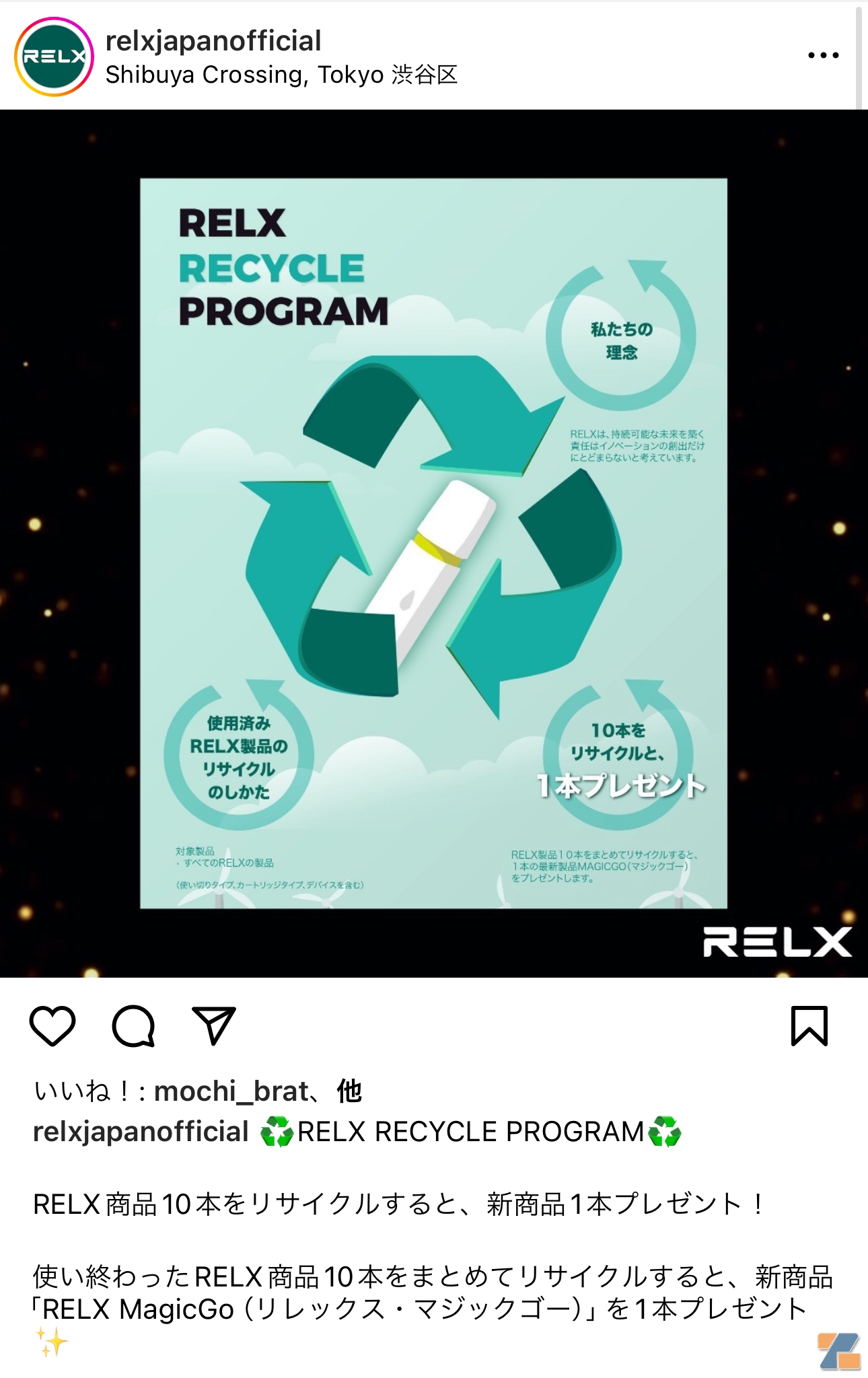 Yue Shi Japan's promotion of recycling activities| Source: Screenshots on Social networks
In Japan, garbage recycling is community-based and is regarded as part of civil society's responsibility. Disposable e-cigarettes, which have caused several fires in garbage places, are required to be discarded as a "small appliance" in many places in Japan: they are relatively difficult to handle, which also makes the product deviate from "convenient and safe"The original intention of nicotine intake." Yuke Japan provides recycling solutions for its disposable cigarettes. On the one hand, it is to fulfill corporate ESG social responsibilities, and on the other hand, it is also convenient for consumers and reduces psychological pressure when using them. This effort to integrate into local communities is part of the operating costs of offshore companies.
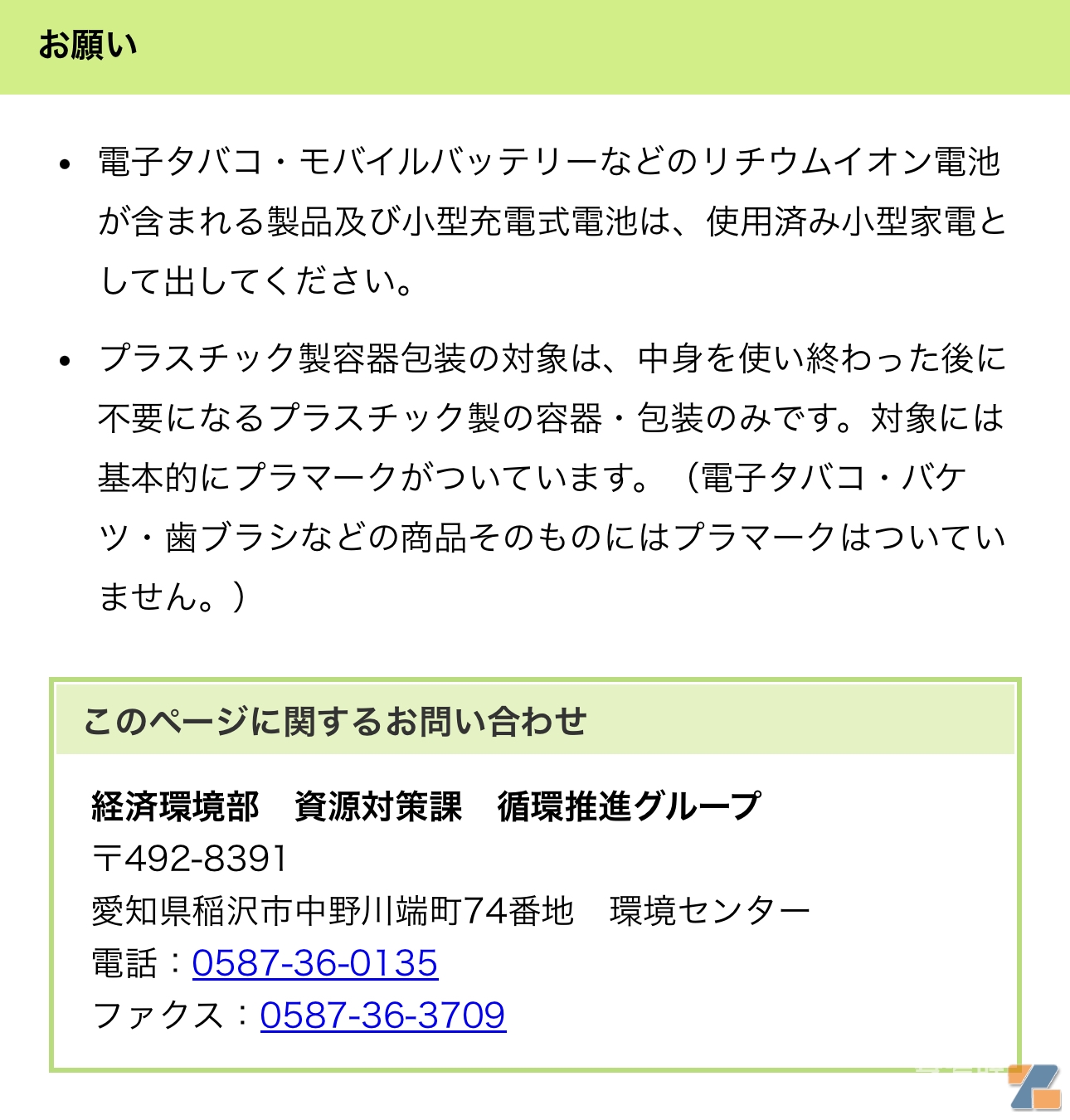 After discarding e-cigarettes several times to cause fires, Japan has asked residents to treat e-cigarettes as "small household appliances" for strict treatment.| Source: Screenshot of government website
British American Tobacco is also stepping up its pace in this regard. According to BAT JAPAN, the product packaging of glo pro slim sold in Japan in 2021 uses recycled paper to reduce paper materials and protective films, and no longer comes with AC adapters to reduce waste; while the glo hyper X2 launched in 2022, it will further promote the reduction of plastic packaging films, etc., to achieve more complete plastic-free transformation. In 2022, BAT Japan also visited Japan's largest refugee support organization in Kamakura on June 20, World Refugee Day, and held exchange meetings with refugees.
The portraits of consumers that are clearly different from the mainstream in the West, the unshakable local corporate culture, unclear social rules, and the 100 million middle-to-high-income population in high-density cities-all make overseas companies feel envious and restrained, and Big Tobacco is no exception.
In the past December 2023, British American Tobacco announced that it would adjust the value of cigarette brands such as Newport, Camel, Pall Mall and Natural American Spirit on British American Tobacco's balance sheet to a limited 30 years, resulting in a $31.5 billion impairment.
This is the first time that Big Tobacco has made a partial write-down of the value of its traditional cigarette business in an important market like the United States. BAT attributed this to economic pressures, inflation that has consumers switching to cheaper brands, and the proliferation of black/gray disposable e-cigarettes, an increasingly stringent regulatory environment and health awareness, which have led to a decline in cigarette sales in some markets.
The traditional tobacco business is facing challenges as the industry evolves. It is obvious that the continued impairment of traditional tobacco in traditional advantageous markets has arrived. For British American Tobacco, if it wants to make progress while maintaining stability, it will have a strong foothold in the East Asian market that has not yet gained the upper hand.new tobaccoUsing it as a growth point may be one of the inevitable directions in the future.
Due to the existence of drug regulations, other than HNB, only Lingini e-cigarette products can enter the Japanese market. But even so, the market's feedback is still active. For the whole year of 2022, Japan's national HNB market sales reached 1.4 trillion yen (approximately US$9.7 billion), the largest in the world; even the top five local "home appliance hot lists" are often hit by new tobacco equipment.# p#pagination title #e#
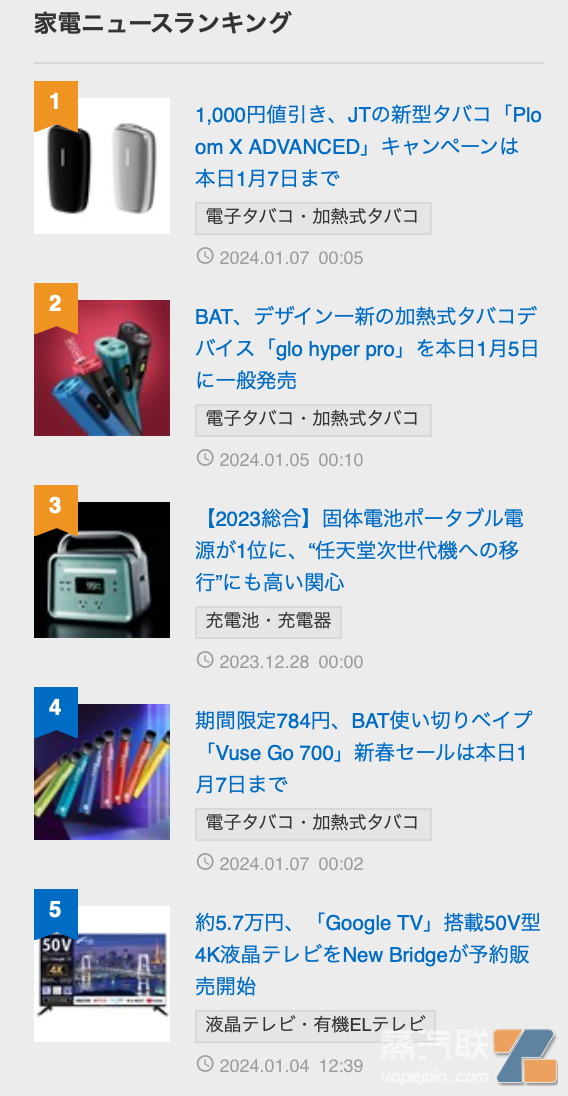 Under the home appliance information category of Japanese shopping websites, information on new tobacco equipment accounted for three of the top five items| Source: Screenshot of shopping website
In an earlier exclusive interview with 2FIRSTS, Japan Tobacco International said that the company fully recognizes that one-offe-cigarette marketHowever, resources have not yet been invested in competing for sales of this product. Instead, they are focusing more on the development of new generation HNB products (such as With 2, which will be sold in convenience stores and tobacco stores in Japan starting from September 5, 2023) and nicotine bags.
Perhaps because under the tightening policy, the entrance of disposable products in Japan has always been narrow, Japan Tobacco has been able to maintain a leisurely "master attitude" and not grab guns or sneak away before the starting line of Japan's potential one-time market competition in the future; and will British American Tobacco, which is using VUSE as a pawn and entering the East Asian market with a low profile, usher in an outbreak at some point in the future?