KT&G Wins Backing from South Korea’s Supreme Court as Reporter Loses Lawsuit
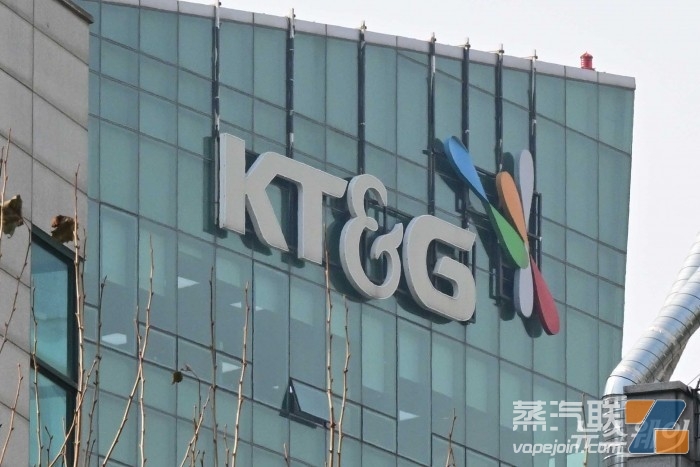
South Korea’s Supreme Court dismissed KT&G’s appeal in its damages lawsuit against former Kyunghyang Shinmun reporter Kang Jin-gu, upholding the favorable rulings in the first and second trials and bringing to an end a legal battle that lasted about three years and ten months.
According to a breaking report by South Korean outlet Newsway, KT&G ultimately prevailed, after both the first and second trials, in a lawsuit against a reporter and other media outlets over reports alleging unfairness in the acquisition process involving its subsidiary.
According to legal sources, on November 30, the Supreme Court’s Civil Division 1 confirmed the lower court’s ruling in the appeal of the damages case filed by KT&G against former Kyunghyang Shinmun reporter Kang Jin-gu, dismissing the appeal in favor of the plaintiff in the original ruling.
A dismissal without substantive review means the Supreme Court rejects the appeal without examining the merits of the case.
Previously, on February 26, 2020, Kang published an article in Kyunghyang Shinmun titled “KT&G Suspected of Concealing New Drug Toxicity and Forcing Through an Improper Merger.”
The article claimed that KT&G concealed toxicity test results related to a new drug substance at KT&G Life Sciences and manipulated the merger ratio by inflating corporate value while pushing for the 2016 merger of its subsidiary Yeongjin Pharmaceutical.
The article also alleged that KT&G Life Sciences had entered into an illegal backroom agreement under which investors would be compensated if the merger-linked IPO failed, and that the president of Yeongjin Pharmaceutical, who opposed the merger, was dismissed and replaced by someone from KT&G headquarters.
In response, KT&G filed a damages lawsuit against Kang and others, arguing that these were false statements that harmed its public reputation.
In August 2022, the court of first instance acknowledged that the report was related to the public interest, but ruled that there were no sufficient grounds to believe that Kang’s claims, including the alleged backroom agreement and concealment of toxicity testing, were true. The court also accepted KT&G’s argument that the report did not merely raise suspicions, but instead used conclusory language to defame KT&G, and that the presentation of counterarguments was unbalanced.
In the second trial held in July this year, the court stated: “The contents of former reporter Kang’s article, including ‘reaching an agreement with investors,’ ‘unfairly dismissing management executives,’ and ‘concealing genetic toxicity,’ are false. Therefore, the first-instance ruling was justified, and the defendants’ appeal is dismissed as groundless.”
On November 30, the Supreme Court dismissed the case without stating reasons, concluding the 3-year-and-10-month lawsuit with KT&G’s final victory.