BAT Announces £25 Billion Write-Down of U.S. Cigarette Brands, Shares Plunge 10.2%
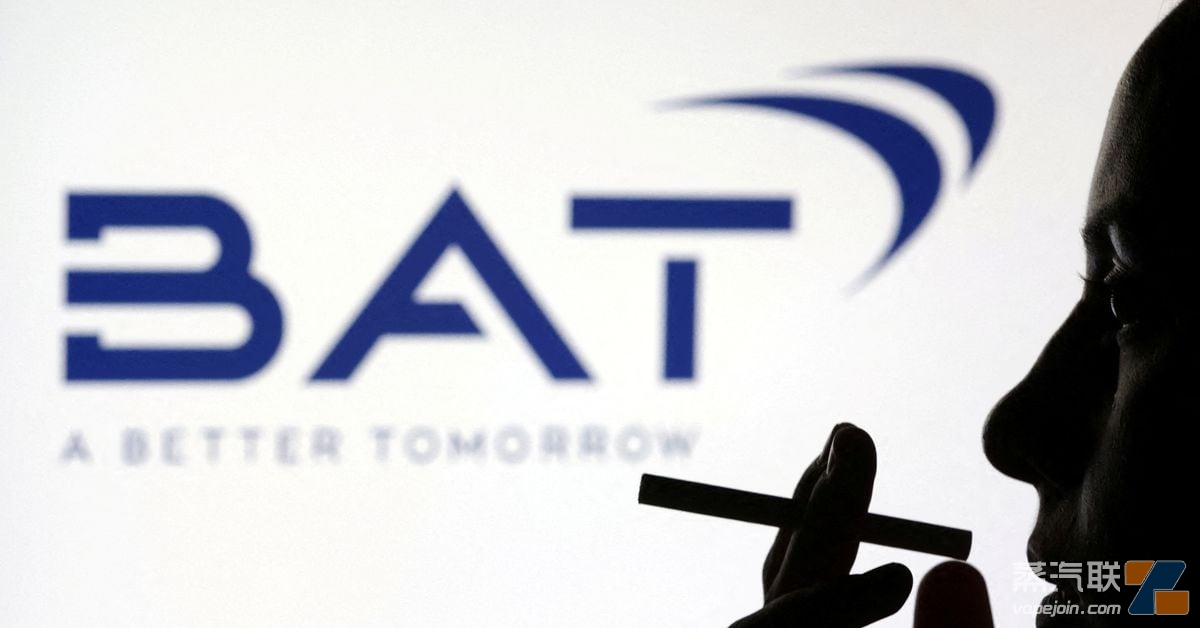 On July 26 this year, British American Tobacco said it expected to incur an impairment loss of about £25 billion due to a reassessment of the value of some of its U.S. cigarette brands. The company said the challenging environment in the United States and consumers switching to cheaper brands have affected its business and could weigh on growth over the next few years. The company maintained its 2023 revenue forecast, but said results may come in at the lower end of the growth range.
According to a Reuters report on December 6, British American Tobacco said it would take an impairment charge of about £25 billion ($31.5 billion) after reassessing the value of some of its tobacco brands in the United States.
After the announcement, British American Tobacco (BAT) shares fell 10.2% in London, hitting their lowest level since September 2010. Tobacco stocks listed in the United States were also affected. Altria (MO.N) fell 3.4%, while Philip Morris (PM.N) declined 2.1%.
BAT said the challenging U.S. environment, especially a weak economy and the popularity of frequently illegal disposable vaping devices, has had a negative impact on its business and could drag on its growth in 2023 and 2024.
BAT said the economic challenges affecting its U.S. business, along with some consumers trading down to cheaper brands due to “fatigue,” have resulted in the £25 billion non-cash impairment charge.
BAT said in its trading update preview, "This accounting adjustment mainly relates to some U.S. combustible tobacco brands we acquired, as we now assess their carrying value and useful economic life at around 30 years."
The company added that it will begin amortizing the remaining value of its U.S. combustible tobacco brands starting in 2024.
BAT maintained its full-year 2023 revenue forecast of 3-5% organic growth at constant currency, but said it is likely to come in at the lower end of that range due to pressure in the United States and planned increased investment in new products including vaping devices and oral nicotine.
The company also said these factors mean revenue and adjusted operating profit growth in 2024 are expected to be in the low single digits.
“No one should profit from death and disease,” said Erika Sward, assistant vice president of national advocacy at the American Lung Association, in a statement.
Further reading:
A write-down is an accounting term that refers to reducing the book value of an asset because a company believes the asset's market value or future cash flows are lower than its previously recorded carrying value. This adjustment usually occurs when a company determines that certain assets it holds can no longer deliver the expected economic benefits based on earlier estimates.
In financial statements, a company writes down the carrying value of an asset to its current estimated market value or future cash flow level. This may include fixed assets, inventory, intangible assets, or other investments.
Write-downs are usually caused by a variety of factors, including:
Decline in market value: The asset's market value has fallen, requiring its book value to be adjusted.
Technological obsolescence: For assets in rapidly evolving industries, a company may record a write-down if their value declines due to the emergence of new technology.
Economic downturn: During weak economic conditions, some assets may fail to generate their expected economic value and therefore need to be written down.