Qnovia Announces First Human Trial Results, Under FDA and MHRA Review
 Medical drug manufacturing company Qnovia has announced the results of its first human trial for its inhaled smoking cessation therapy QN-01, which is currently under review by the U.S. Food and Drug Administration (FDA) Center for Drug Evaluation and Research (CDER) and the UK Medicines and Healthcare products Regulatory Agency (MHRA).
According to news from Tobacco Reporter on November 29, medical drug manufacturing company Qnovia announced the results of its first human trial for its inhaled smoking cessation therapy QN-01, which is currently under review by the U.S. Food and Drug Administration (FDA) Center for Drug Evaluation and Research (CDER) and the UK Medicines and Healthcare products Regulatory Agency (MHRA).
Qnovia CEO Brian Quigley stated, "Today is a key milestone for Qnovia, and we believe this data confirms our platform's clinical translation in patients for the first time."
Quigley stated that one reason quitting smoking is so challenging is that cigarettes release a large amount of nicotine directly into the bloodstream within seconds.
The challenge with current nicotine replacement therapies is that they do not release nicotine quickly enough or at a high enough concentration to effectively alleviate withdrawal symptoms in smokers. This leads to relapse among smokers, creating an unmet need for new smoking cessation therapies.
"We are excited to share that QN-01 demonstrates superior pharmacokinetic characteristics compared to existing inhaled NRTs (nicotine replacement therapies) and has good tolerability. We look forward to submitting the IND and CTA for QN-01 next year and advancing our clinical development plan to Phase 1/2 clinical trials," Quigley said.
Qnovia stated that the first phase study is an open-label trial assessing the delivery of QN-01 across three different nicotine delivery regimens to determine the pharmacokinetics and safety of Qnovia's drug delivery platform in 12 healthy adults who currently smoke combustible cigarettes. Each adult received three different doses of treatment over the following days after a clearance period.
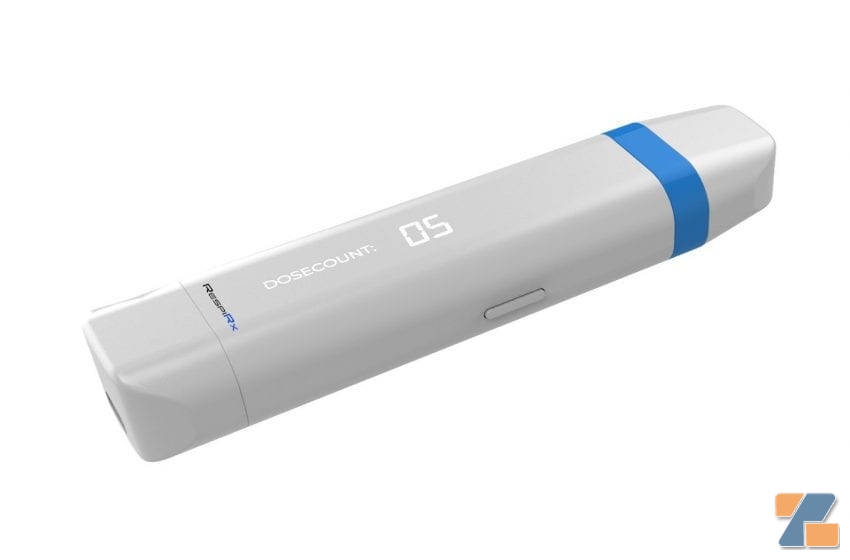
The study confirmed the dose-dependent pharmacokinetics of QN-01 delivered via Qnovia's RespiRx device. Across all three dosing regimens, QN-01 achieved a higher average maximum plasma concentration (Cmax) and a shorter time to reach maximum plasma concentration (Tmax), indicating superior pharmacokinetics compared to existing inhaled nicotine replacement therapies (NRTs). The drug-device combination showed good tolerability, with no serious adverse events and no typical mild adverse events associated with inhaled nicotine.