Has Russia’s Flavored Vaping Ban Been Delayed?
Is Russia's Flavor Ban on Vaping Being Delayed? Set for March Next Year!
Today, I saw a piece of news that the flavor ban for electronic vaping in Russia, originally scheduled to take effect in September this year, has been postponed to March next year.
According to the Russian newspaper Izvestia, starting from March 1, 2024, Russia will prohibit the sale of flavored electronic vaping products. The Russian Ministry of Health has also prepared a list of banned additives, which includes sweeteners, spices, and fruit flavors.
This means that the long-awaited list of banned additives has been released, and it is currently under review by the Russian Tobacco Expert Committee. After the review, it will be submitted to the state for decision. This list will take effect on March 1, 2024.
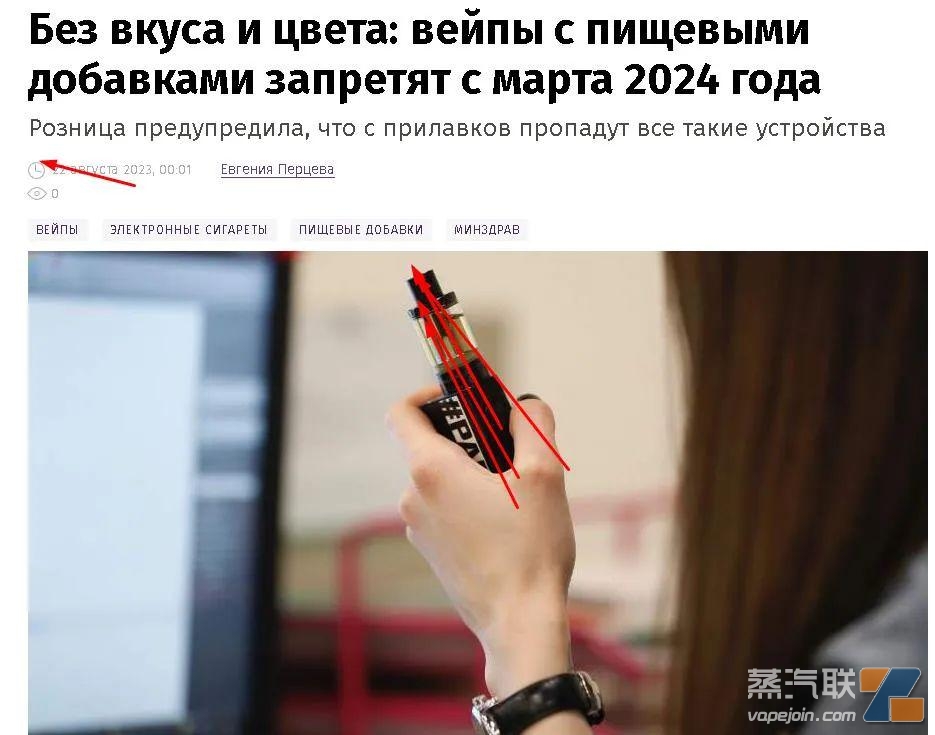
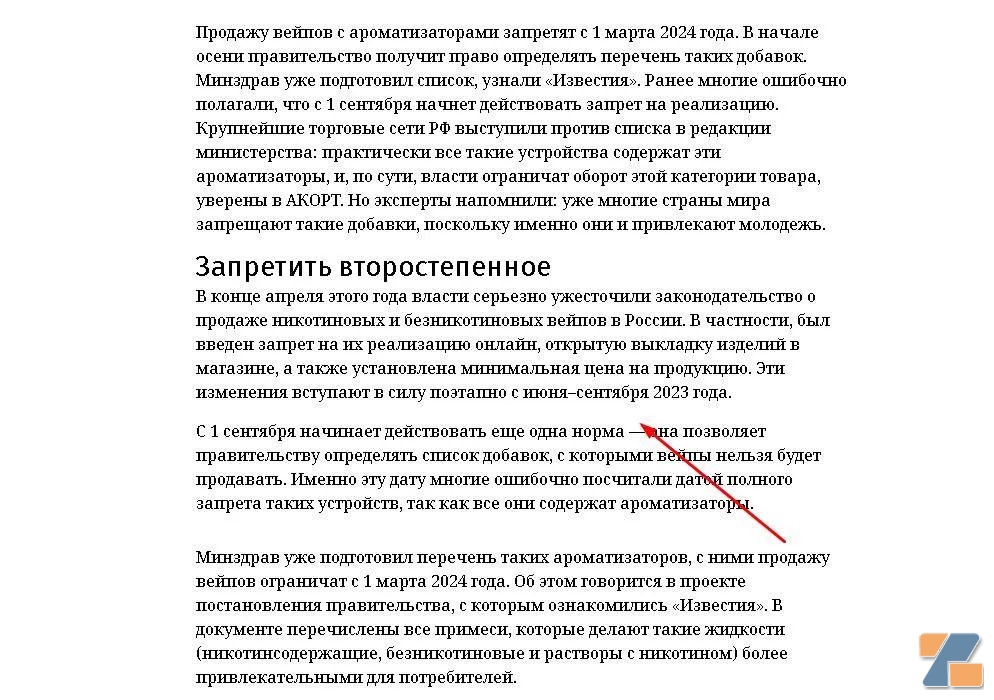
(Is Russia's Flavor Ban on Vaping Being Delayed? Set for March Next Year!)
Upon closer inspection, this list of many flavoring agents includes food flavorings such as fruits, vegetables, herbs, spices, ginger, and cinnamon, as well as sweeteners like peanut syrup, honey, stevia, and maple syrup. The list also includes popular additives like caffeine, guarana, and taurine, as well as less common substances like drugs, dietary supplements, and vitamins C, E, and amino acids, all of which will be banned. Although these flavoring agents are widely used in food, the Ministry of Health believes they may increase the appeal to young people.
It can be said that Russia's list is quite extensive regarding banned additives. Currently, the Russian Retail Companies Association (AKORT, which unites the largest networks in the Russian Federation) also opposes including food flavorings, food additives, and nicotine salts in the banned substances list.
Regardless, this year has been a year of adjustments for electronic vaping in Russia, with many measures being introduced. For example, starting in June this year, new restrictions on electronic vaping came into effect, including prohibiting sales at trade fairs, exhibitions, and vending machines, as well as banning public display and showcasing of electronic vaping products at points of sale.
From the current measures in Russia, honest labeling has been implemented, and online sales bans are already in place, but licensing and the flavor ban will be implemented next year, indicating that the Russian electronic vaping market is entering a phase of regulation.
With a population of 140 million and tens of millions of smokers, the demand in this market is significant. Moreover, there are many "hardcore smokers" in the area.
As the largest electronic vaping consumption region in the world, Russia's market has always attracted attention, with approximately 4.5 million electronic vaping users (according to figures released by the Russian Retail Companies Association), playing an important role in the Eastern European market.
The question is, how to enter the Russian market and find distributors, and how to open the door to TOB customer acquisition?
Related Articles

Ahead of a Nationwide Ban, Hundreds of Russian Retailers Voluntarily Stop Selling Vapes

Illegal Vape Brands Try to Evade FDA Scrutiny by Posing as “Made in the USA”