Introduction to Injection-Molded Part Finishing: Crystal 3D Pattern Technology
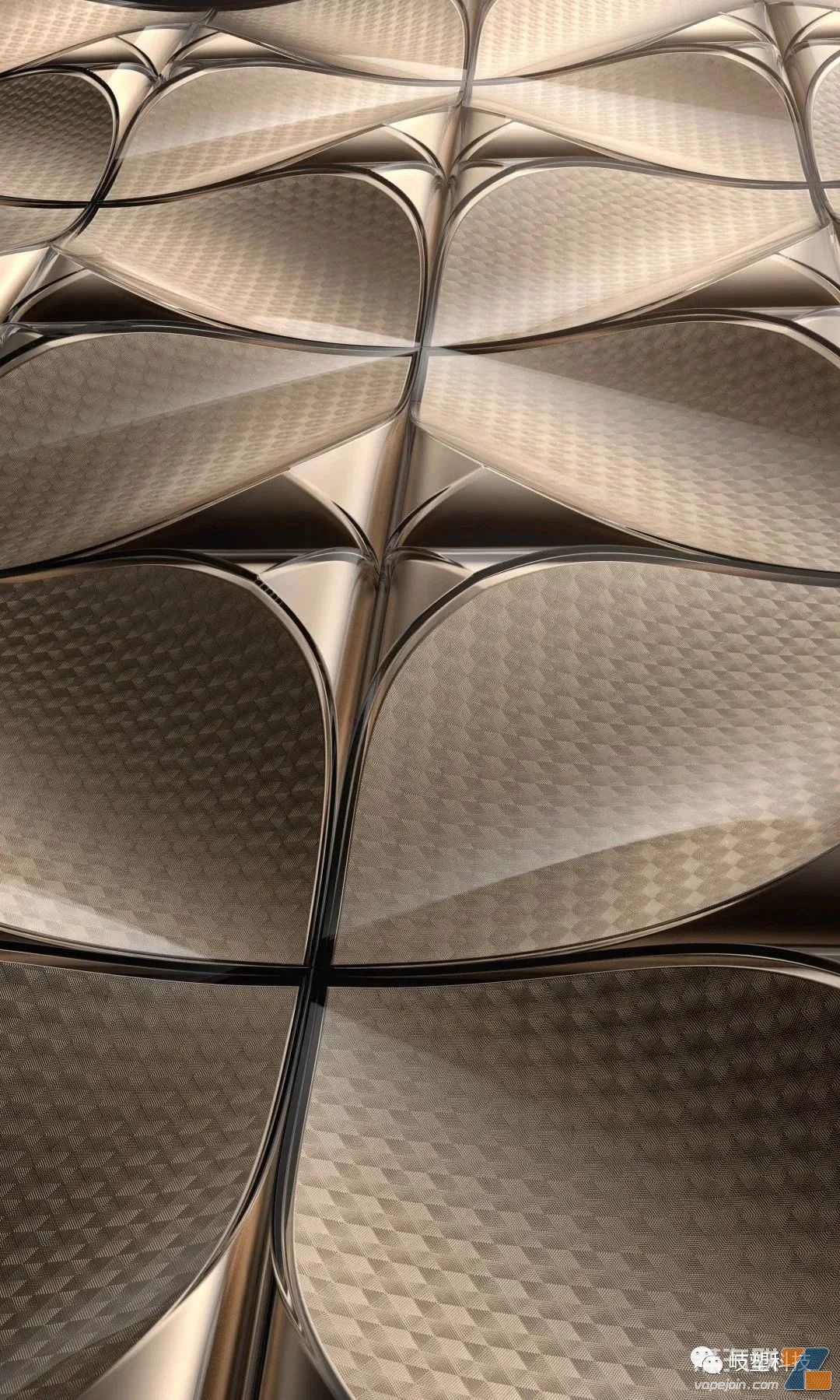
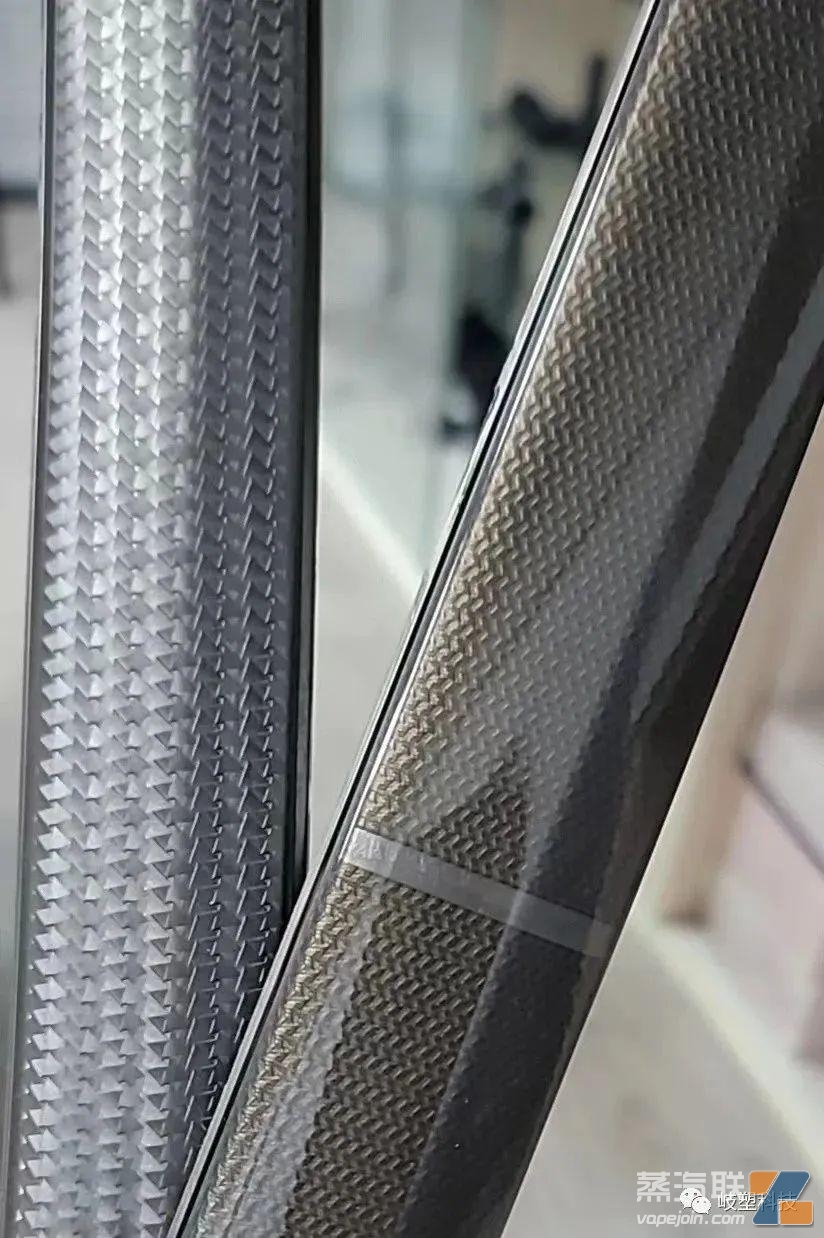
Crystal three-dimensional pattern technology is a processing method for the appearance of injection molded parts. It is based on high-precision mold technology and relies solely on one-time injection molding of the mold to achieve three-dimensional pattern.
This process can realize more decorative possibilities for special appearance parts with complex shapes and spherical surfaces that are difficult to package and film, as well as functional appearance parts with high assembly precision.
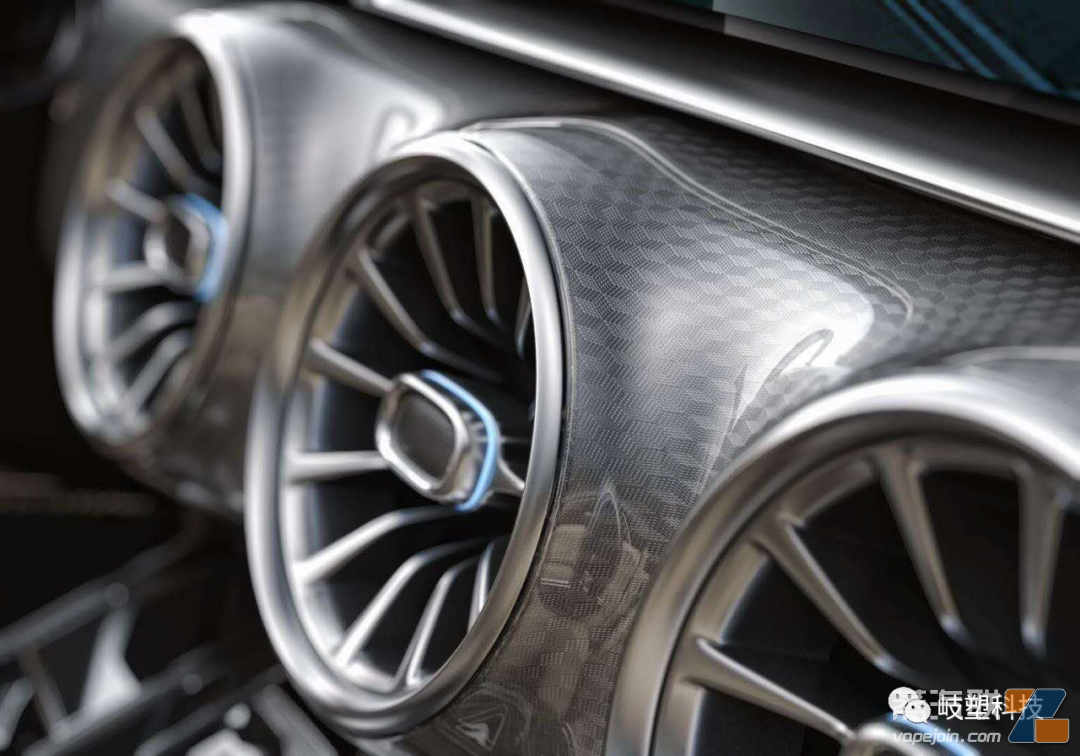
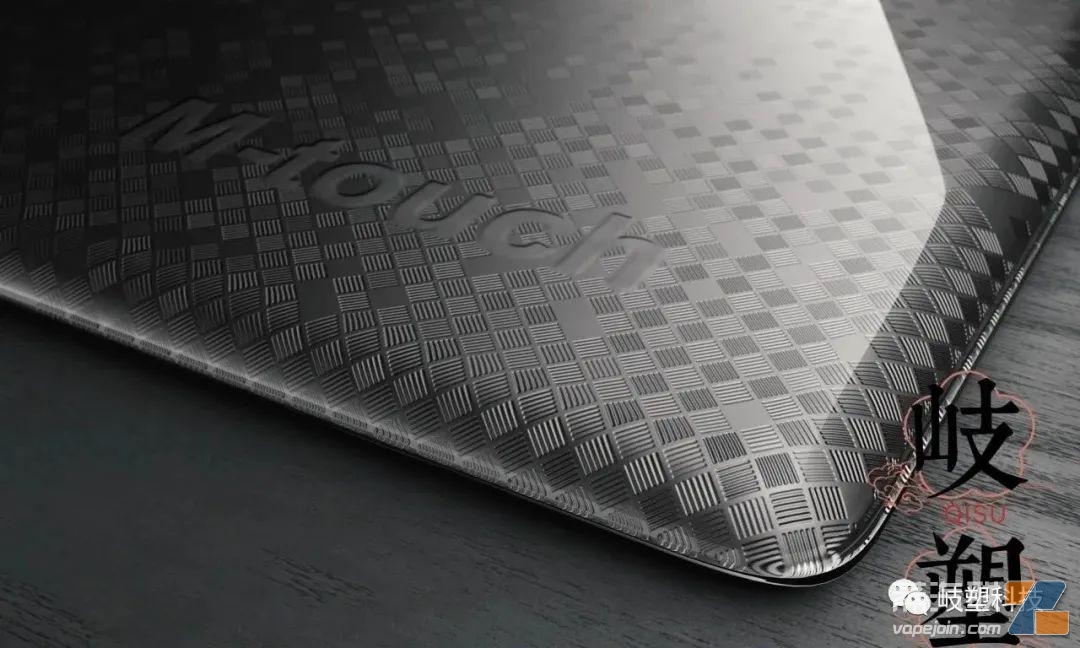
1. Technical advantages
"0" VOC protects the environment
Intelligent switch that can be embedded in circuit board display screen
Visual three-dimensional, luxurious and high-end
Combined with special material surface paint for self-healing function
Replace the surface layer for three-dimensional modeling and pattern modeling
Intelligent production, one-step shaping, low comprehensive cost
Can realize complex shaped parts such as deformed surfaces and spheres
Ensure both functionality and appearance of parts, and it is more suitable for appearance parts with high assembly accuracy and complex shape functional parts with high appearance requirements.
2. Technical difficulties
1. Forming thin meat
High-speed injection molding technology;
There are extremely high requirements for the fluidity of injection molding materials, so the design and control technical requirements for high-temperature molds are high;
Modification of the metal surface of the mold to further improve the fluidity of the material;
2. Zero-closing line forming
- #p#pagination title #e#
Injection molding technology that requires a high vacuum environment;
Requires a high level of internal mold venting design;
It is necessary to carefully design and grasp the temperature of the mold in order to dilute the PL line;
3. Micromachining
Use high-precision laser processing equipment to appropriately treat the patterns on the metal surface and vividly carve them with appropriate depth and depth
4. Resin materials
In-depth research on heat resistant resins
5. Resin matching
Mixing of materials through a rotating mixer;
Improve material characteristics by adding materials such as light diffusion materials;
6. Metal modification
- #p#pagination title #e#
Special dust and rust removal treatment on the mold surface;
The fluidity of the material in the mold is further improved;
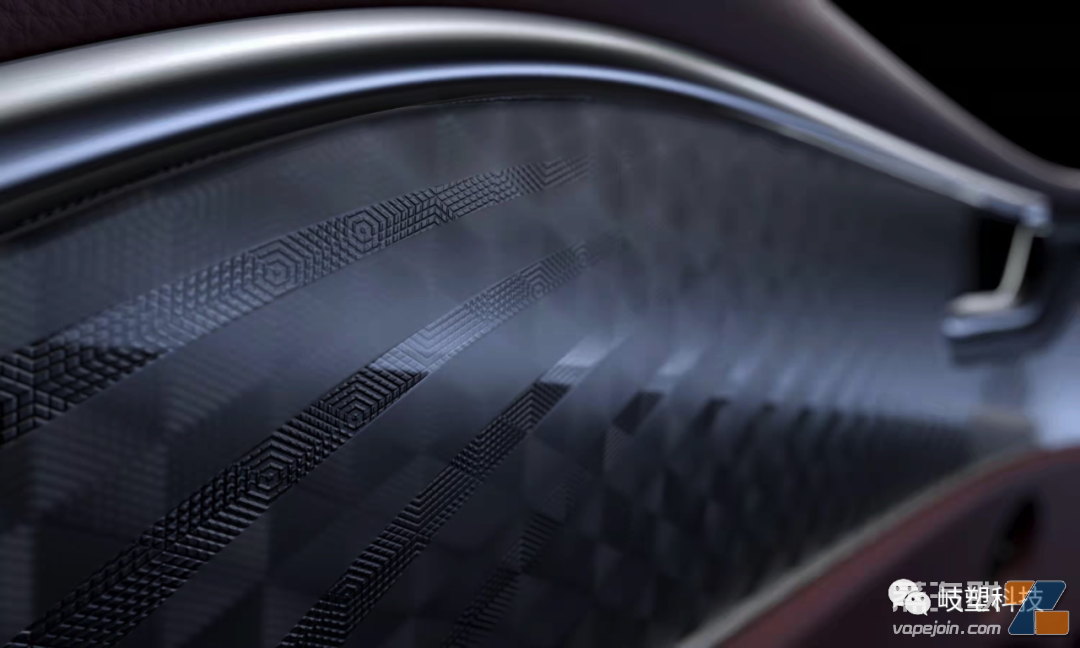
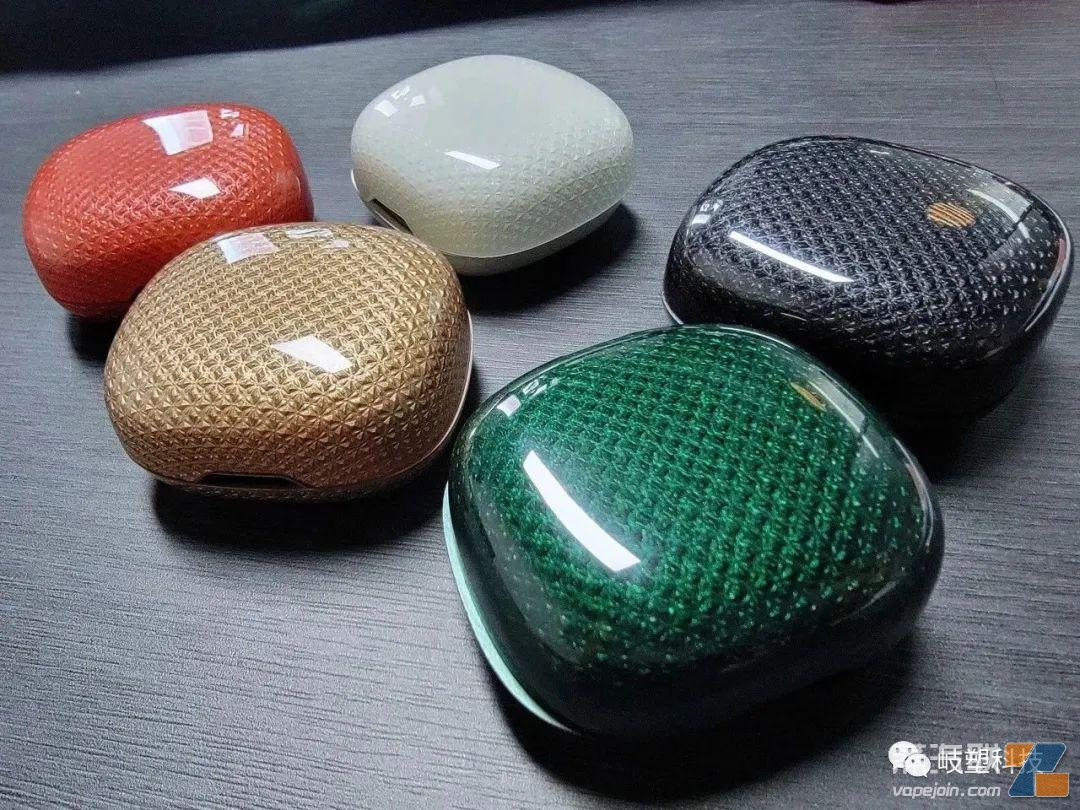
3. Technology expansion
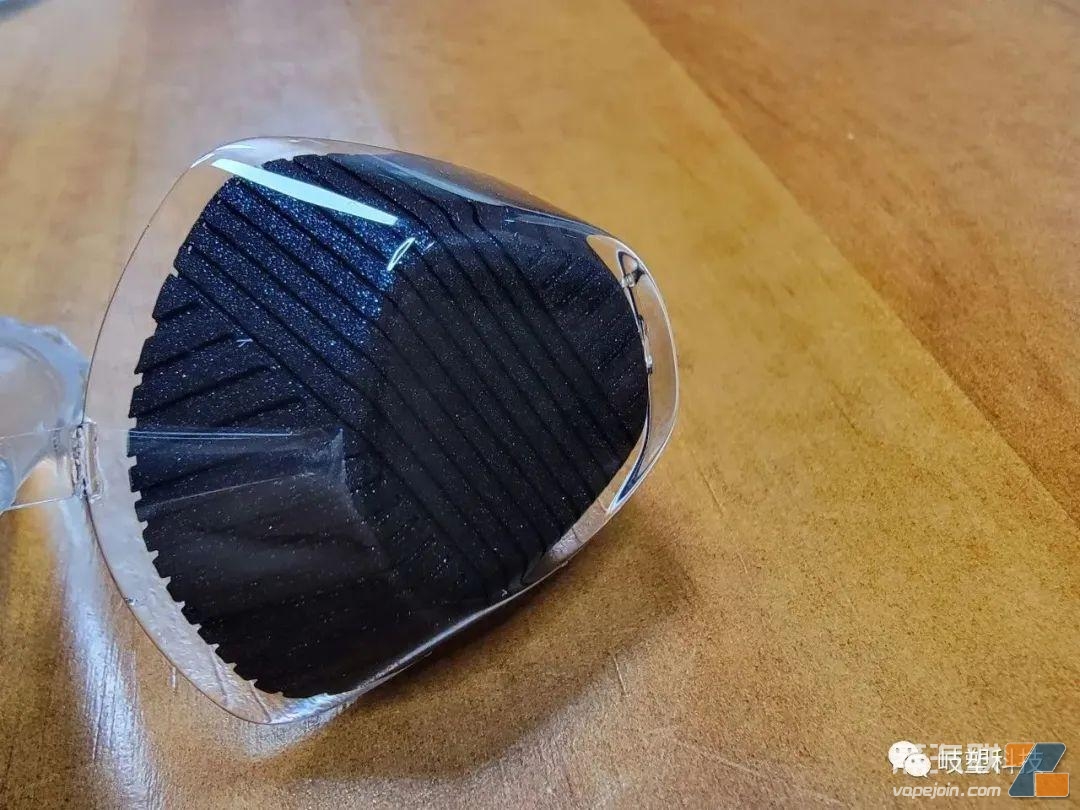
Three-dimensional pattern technique combined with in-mold painting uses highly transparent polyurethane to apply double in-mold decoration to the product surface, making the product appearance present design effects or functions that cannot be achieved, such as a colorful appearance, touch surface, backlight, light transmission and other effects such as atmosphere lights, and even the hidden switch design that is currently receiving much attention can also be achieved.
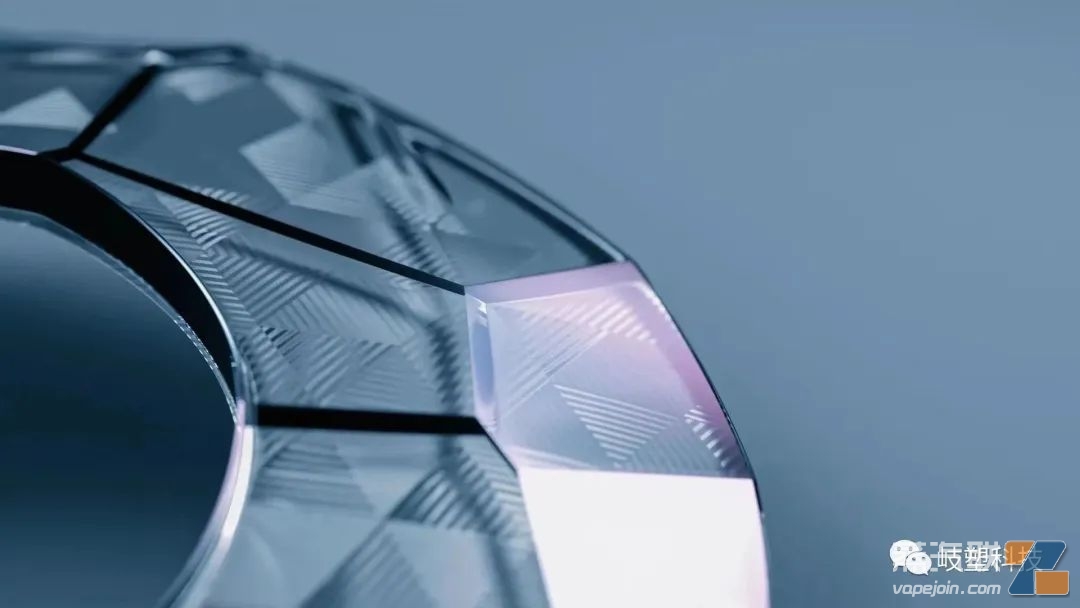
In addition, the coating thickness is uniform and controllable, and the appearance is free from defects, allowing transparent and various colored coatings, as well as various patterns and geometric patterns, etc.; the product design allows the integration of multiple colors and different appearance effects on the same surface, as well as a 3D surface shape with a real look and feel.
Related Articles

Ahead of a Nationwide Ban, Hundreds of Russian Retailers Voluntarily Stop Selling Vapes

Illegal Vape Brands Try to Evade FDA Scrutiny by Posing as “Made in the USA”