A Pillar of the European Market: Germany Narrowly Clears the Hurdle
Today, it was reported that Germany has passed an amendment that includes HNB in the flavor ban, but the e-cigarettes that everyone is concerned about are not included and are not affected.
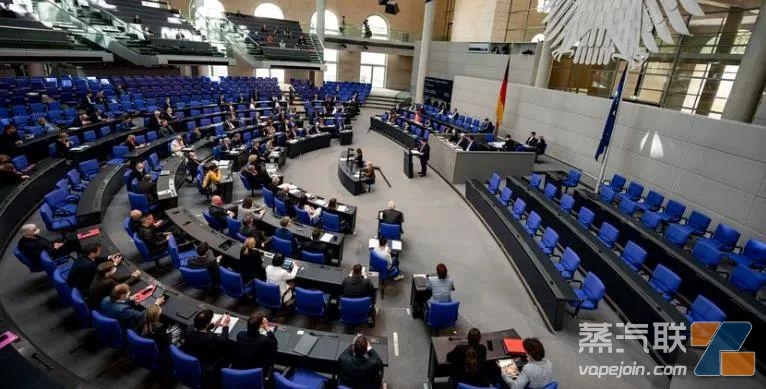
It is reported that the German parliament passed an amendment to the tobacco products law with an absolute majority vote. The packaging of heated tobacco sticks must have text and image warning labels. Additionally, the flavor ban will be extended to heated tobacco stick products. German drug commissioner Burkhard Blienert also referred to this legislation as "an important step for more health protection." However, he also stated that this is just the beginning.
Here, the new vaping forces believe that since Germany imposed a tax on e-cigarette e-liquids this year, the market has been under close scrutiny. Furthermore, Germany is a significant market for disposable products, with many Chinese e-cigarette brands entering, making it one of the hottest countries for e-cigarettes in Europe. This year, there have been rumors about flavor bans for e-cigarettes, and even a ban on disposables, but it seems that e-cigarettes are still protected in Germany.
From Germany's statements, it is evident that there is also concern about some high-concentration issues with disposables. Burkhard, the drug commissioner, also called for stricter regulations on e-cigarettes. He pointed out that children can also use disposable e-cigarettes with high nicotine concentrations, which is related to their rich flavors. Additionally, many e-cigarettes are brightly colored and very compact, making them easy to fit into a pencil case and are usually priced quite low.
He also emphasized that the advertising ban on vaping products and e-cigarettes needs to be further strengthened.
The flavor ban has already been implemented in some Eastern European markets, such as Ukraine.
However, as a pillar of the European market, Germany has always advocated the significance of the e-cigarette experience. Despite tightening regulations, the market space under legal regulation trends is worth noting. Germany is one of the largest e-cigarette markets in Europe, with the number of e-cigarette users steadily increasing. The rapid development of the German e-cigarette industry is largely due to smokers quitting traditional cigarettes, with e-cigarettes seen as an effective and healthier alternative, attracting more and more people daily. Currently, there are over 2 million e-cigarette users in Germany.
At the same time, it cannot be denied that Germany's e-cigarettes are entering an era of "strong regulation," with many stores being inspected, particularly focusing on tax evasion issues related to e-cigarettes. Germany is also one of the few countries in Europe that taxes e-cigarettes, with a tax of €0.16 per milliliter of e-liquid. It is expected that by 2024, the tax rate will increase to €0.20, by 2025 to €0.26, and by 2026 to €0.32, which may lead to a nearly 40% increase in retail prices for e-cigarettes.
This time, German e-cigarettes should not be affected by the new ban, as the flavor tobacco ban only applies to cigarettes and heated tobacco products, which is a positive point for Germany. This is particularly noteworthy for many manufacturers exporting e-cigarettes to Germany.
Central Europe, the largest e-cigarette market in Europe, is also of great interest to many Chinese manufacturers, with its highly developed economy and growing e-cigarette user market accelerating market development.