
Medical e-cigarettes face a difficult approval path that may take up to 10 years
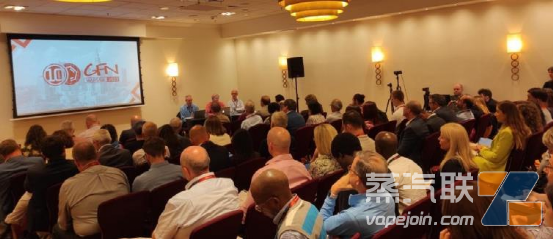
On July 10, it was reported that the Global Nicotine Forum 2023 (GFN23) was held at the Marriott Hotel in Warsaw, Poland, with the theme "Reducing Tobacco Harm - The Next Decade." The forum attracted senior practitioners, scientists, and scholars from international tobacco companies, well-known international universities, non-profit organizations, and research institutions. Two Above served as the official media partner for GFN23, participating in and reporting on important agenda items of the forum.
Medical e-cigarettes are gradually becoming a focal point of public attention. However, integrating this innovative product into the medical field requires navigating a series of complex and lengthy regulatory processes. Mark Dickinson, founder of the pharmaceutical marketing consulting firm Clarityse Ltd, and Ian Fearon, a member of the scientific advisory board of the American venture capital pharmaceutical company Qnovia and Chief Scientific Officer of McKinney Regulatory Science Advisors, introduced the developments in this field to Two Above. Ian identified Qnovia as a potential pioneer in this area, as the company has focused on becoming the first innovative nicotine replacement therapy in the U.S. for over a decade. Its success could provide a blueprint for other companies, paving the way for a robust medical e-cigarette industry. Lastly, the burgeoning market prospects cannot be overlooked. It is predicted that by 2028, the nicotine replacement therapy product market will reach $100 billion. Such potential offers substantial returns on initial significant investments, highlighting the immense opportunities faced by those daring to venture into this field.
Related Articles

Ahead of a Nationwide Ban, Hundreds of Russian Retailers Voluntarily Stop Selling Vapes

Illegal Vape Brands Try to Evade FDA Scrutiny by Posing as “Made in the USA”
