Experts: Recycling Vaping Waste Is Urgent
In recent years, the development of e-cigarettes has been rapid, with billions of e-cigarette devices sold globally each year, including a significant number of disposable products.
Society's focus on e-cigarettes mainly revolves around inhalation risks, specifically whether they are less harmful than traditional cigarettes and whether they can serve as effective smoking alternatives. These questions remain unanswered; however, the environmental pollution caused by discarded e-cigarettes poses a greater issue.
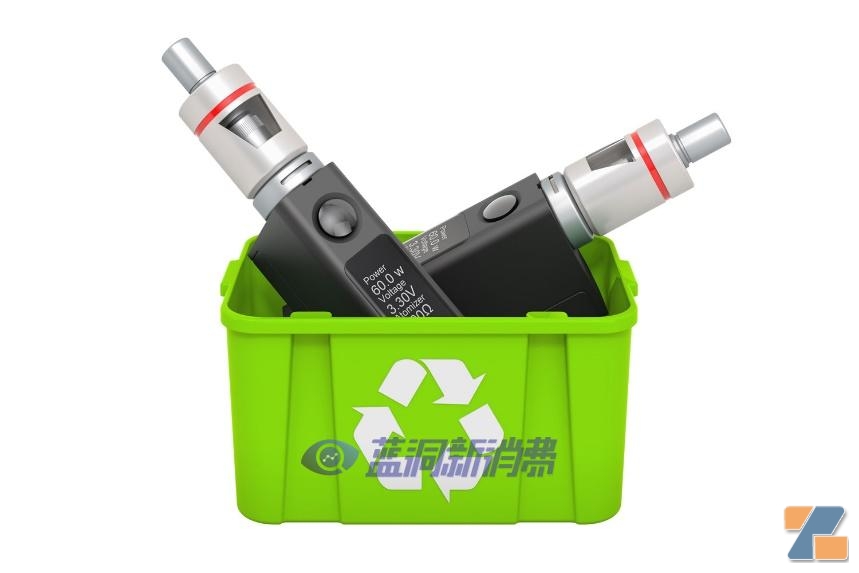
Discarded e-cigarettes contain components such as plastics, batteries, and metal casings that pose potential pollution risks. While some components have recycling value, disassembling them for recycling is a significant undertaking.
Currently, the recycling of discarded e-cigarettes has become a global environmental concern. According to Vapor Voice, three British experts have discussed this issue in an attempt to find a sustainable development path.
Overview of E-Cigarette Recycling in the UK
In the UK or EU, discarded e-cigarettes are classified as waste electronic devices. Ideally, consumers in these countries should dispose of e-cigarettes at household recycling centers or at the stores where they purchased the devices, and manufacturers must provide recycling options.
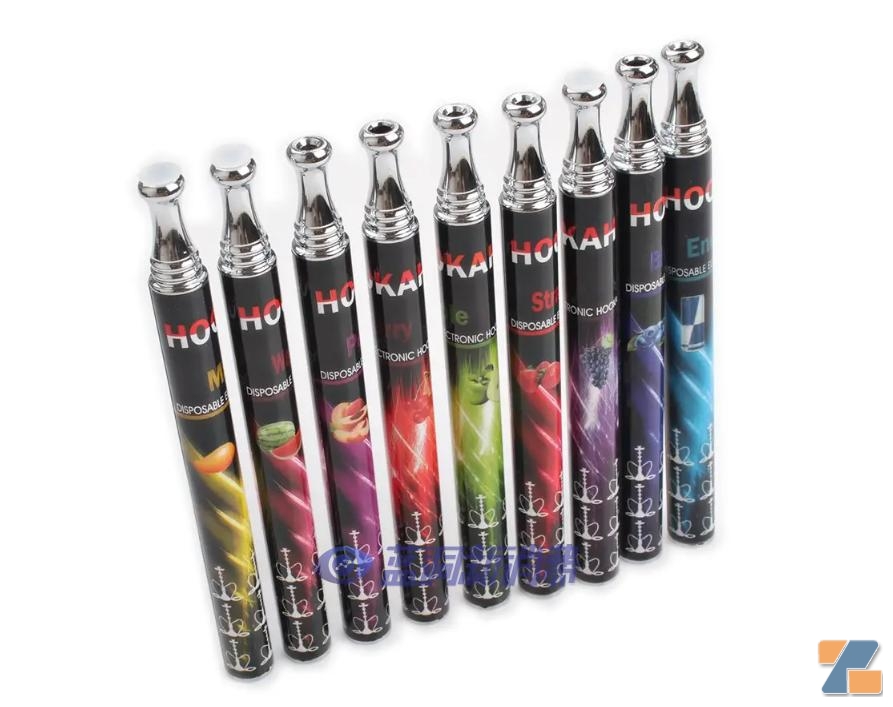
Disposable Products Online
However, many consumers are unaware that disposable e-cigarettes can or should be recycled. Improper disposal of these items may release plastic, electronic, and hazardous chemical waste into the environment, posing fire hazards.
Experts indicate that the UK sells 459 million various e-cigarettes annually, of which 168 million are disposable products, accounting for 37% of the total. Approximately 43% of e-cigarettes can be recycled, although the recycling rate for disposable products is lower.
Specifically, about 23% of e-cigarettes are recycled in stores when consumers purchase new products; another 20% are sent to local government recycling centers.
On the surface, the recycling rate of e-cigarettes is higher than that of other electronic products. However, due to the short lifespan of e-cigarettes, they generate more waste.
Brands Offering Free Recycling Services
According to industry experts, there are currently three brands of disposable products on sale in the UK: British American Tobacco (product: Vuse Bar), Imperial Brands (product: Blu Bar), and Philip Morris International (product: VEEBA), all of which advise consumers not to dispose of e-cigarettes in household waste and provide free recycling services on their official websites, which are clearly visible on product purchase pages.
For products sold offline, the instructions include relevant information and a website link to learn more about the recycling plans. However, how many consumers have actually read this information remains to be seen.
Other independent UK brands are also stepping up, such as Riot Bar and Blo Bar, which have launched comprehensive recycling plans. Blo even offers a trade-in service, allowing consumers to exchange 10 disposable products (any brand) for a free Blo Bar.
Additionally, most online retailers in the UK provide disposal and recycling advice, with the largest e-cigarette retailer, VPZ, announcing a comprehensive return and recycling plan to be launched in its stores by the end of March.
Of course, recycling e-cigarettes is not simple; it requires close cooperation between regulatory agencies, businesses, retail stores, and consumers to establish an effective recycling mechanism, cultivate consumer recycling habits, and reduce recycling costs.
Back in China, e-cigarette recycling has not yet reached industry consensus. Previously, some brands proposed pod recycling plans, and a few brands have suggested recycling plans for disposable products.
Now, as we enter a compliant era, with a unified policy environment and execution space for recycling, regulatory authorities should collaborate with e-cigarette companies, brands, and retail terminals to develop feasible recycling plans, enabling consumers to build recycling awareness and take action, thereby minimizing electronic waste and contributing to environmental protection.