
JUUL vape ban in Israel awaits only one final stamp
Ten days ago, Israel's Ministry of Health revealed that JUUL e-cigarettes could pose serious health risks, though it did not state that a full ban on product sales in Israel would be imposed. Just one week later, the national health authorities introduced
Ten days ago, the Israeli Ministry of Health revealed that JUUL e-cigarettes could pose serious health risks. However, it did not indicate that a complete ban on its products in Israel would be implemented.
Just a week has passed, and the Israeli Ministry of Health has now issued a policy supporting the ban on the sale of JUUL e-cigarettes, applicable to all e-cigarettes containing nicotine. The implementation of this ban now only awaits the approval stamp from the Minister of Justice.
JUUL e-cigarettes, resembling USB drives and available in various colors, gained popularity among young people in the U.S. and successfully entered the Israeli market in May this year, followed by a launch in the UK in July. JUUL quickly rose to fame in the U.S. due to its minimalist design and ease of use, currently boasting a market value of $15 billion, making it the largest e-cigarette startup in the world.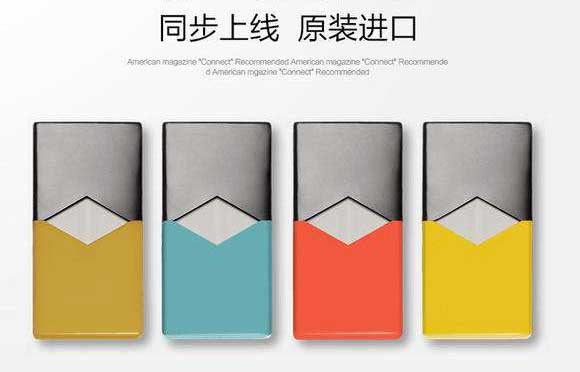 In the past year, JUUL has seen strong growth in the U.S. According to data from market research firm Nielsen, JUUL's sales increased by nearly 800% over the past year, and the company now controls about 71% of the U.S. e-cigarette market.
Currently, it is understood that Israel has not banned e-cigarette advertising, which differs from the regulation of cigarettes, and the country allows the sale of e-cigarette products to minors. Additionally, the nicotine content of the product sold in Israel is 5%, while the product sold in the UK contains 1.7%, complying with European regulations.
Glen Winter, president of JUUL Labs for the Middle East and Africa, responded to the Israeli Ministry of Health's actions in an interview last month, stating that the UK was chosen as the seventh market after the U.S. and Israel partly because it has the most supportive government in the world, encouraging smokers to use e-cigarettes to quit smoking. On the other hand, the Israeli government seems to oppose reducing harmful tobacco products. The official stance is crucial for a multinational company; without policy authorization, it essentially risks its operations.
JUUL e-cigarettes were originally developed to reduce heavy smokers' dependence on traditional tobacco, but now JUUL seems to be facing difficulties in Israel, despite their commitment to ensuring all products comply with legal requirements, they struggle to gain the Israeli government's approval.
Israel appears to be inherently cautious about foreign products, as evidenced by the Finance Committee's approval of a tax measure on Philip Morris International's heated tobacco product IQOS in March this year, requiring IQOS to pay a tax of 65% of the retail price, comparable to that of cigarette products. For companies, this essentially acts as a disguised trade barrier, resulting in significant challenges for many companies, and when these companies can no longer sustain themselves, they will naturally withdraw from the country.
Undeniably, JUUL remains a commendable e-cigarette product, and the Israeli Supreme Prosecutor's Office has suggested not to impose a complete ban on e-cigarettes, recommending that the Ministry of Health regulate the manufacturing and sale of this product.
Just a week has passed, and the Israeli Ministry of Health has now issued a policy supporting the ban on the sale of JUUL e-cigarettes, applicable to all e-cigarettes containing nicotine. The implementation of this ban now only awaits the approval stamp from the Minister of Justice.
JUUL e-cigarettes, resembling USB drives and available in various colors, gained popularity among young people in the U.S. and successfully entered the Israeli market in May this year, followed by a launch in the UK in July. JUUL quickly rose to fame in the U.S. due to its minimalist design and ease of use, currently boasting a market value of $15 billion, making it the largest e-cigarette startup in the world.
In the past year, JUUL has seen strong growth in the U.S. According to data from market research firm Nielsen, JUUL's sales increased by nearly 800% over the past year, and the company now controls about 71% of the U.S. e-cigarette market.Currently, it is understood that Israel has not banned e-cigarette advertising, which differs from the regulation of cigarettes, and the country allows the sale of e-cigarette products to minors. Additionally, the nicotine content of the product sold in Israel is 5%, while the product sold in the UK contains 1.7%, complying with European regulations.
Glen Winter, president of JUUL Labs for the Middle East and Africa, responded to the Israeli Ministry of Health's actions in an interview last month, stating that the UK was chosen as the seventh market after the U.S. and Israel partly because it has the most supportive government in the world, encouraging smokers to use e-cigarettes to quit smoking. On the other hand, the Israeli government seems to oppose reducing harmful tobacco products. The official stance is crucial for a multinational company; without policy authorization, it essentially risks its operations.
JUUL e-cigarettes were originally developed to reduce heavy smokers' dependence on traditional tobacco, but now JUUL seems to be facing difficulties in Israel, despite their commitment to ensuring all products comply with legal requirements, they struggle to gain the Israeli government's approval.
Israel appears to be inherently cautious about foreign products, as evidenced by the Finance Committee's approval of a tax measure on Philip Morris International's heated tobacco product IQOS in March this year, requiring IQOS to pay a tax of 65% of the retail price, comparable to that of cigarette products. For companies, this essentially acts as a disguised trade barrier, resulting in significant challenges for many companies, and when these companies can no longer sustain themselves, they will naturally withdraw from the country.
Undeniably, JUUL remains a commendable e-cigarette product, and the Israeli Supreme Prosecutor's Office has suggested not to impose a complete ban on e-cigarettes, recommending that the Ministry of Health regulate the manufacturing and sale of this product.


