
Vaping Culture Is Taking Shape (Text & Images)
Tobacco still causes six million deaths worldwide each year.
Despite significant efforts in public health to help people quit smoking and prevent youth smoking, smoking remains the leading cause of poor health and premature death. Even with bans on tobacco advertising and smoking in public places, many young people continue to smoke.
This situation is even worse in poorer countries, where support for smoking bans is limited and anti-smoking policies are weak.
So, how should we view the increasing popularity of e-cigarettes in these circumstances?
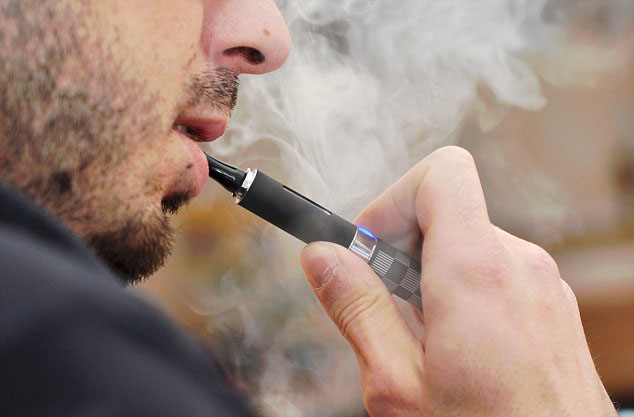
This device produces nicotine vapor. It generates suspended particles (commonly referred to as 'vapor') by heating nicotine-containing propylene glycol (e-liquid), which is then inhaled by the user.
In simple terms, they can deliver nicotine almost as effectively as regular cigarettes, but without most of the other chemicals found in tobacco smoke (whether from the tobacco itself or from the combustion process).
E-cigarette Culture
A culture around e-cigarettes is forming.
Many e-cigarette devices offer rich power settings, and there are many types of e-liquids available, featuring different nicotine levels and flavors.
Enthusiasts often request modifications to their devices and participate in 'cloud competitions'—competing to produce the largest and most interesting vapor clouds.
Indeed, young people are experimenting with e-cigarettes (in the same way they experiment with almost everything), although there is currently no conclusive evidence that this leads to later cigarette use or even long-term use of e-cigarettes.
The rapid growth of e-cigarettes, especially among smokers looking to quit, has surprised public health groups and the tobacco industry alike. Both are trying to catch up with this development.
Relevant health professionals are also conducting research to provide evidence-based guidance and policies.
At the same time, the tobacco industry is acquiring e-cigarette companies and pushing their own products to market.

Should We Be Concerned?
So, how should we care about this emerging, disruptive technology?
Should we encourage existing smokers to use e-cigarettes to help them quit, even if it means they continue to use nicotine long-term?
In the UK, there is some consensus that if they find it helpful, smokers should use e-cigarettes, and the national quit smoking and training centers support their use.
Many e-cigarette users feel that part of the reason they love e-cigarettes so much (and react so strongly when they feel e-cigarettes are unfairly attacked) is that, through e-cigarettes, they feel they can control their nicotine habits for the first time, feel they can quit smoking, and can regain control of their health without medical intervention.
But the question remains about the potential harms of e-cigarettes, and there is still a lack of understanding. And this is unlikely to change quickly, as the health impacts of tobacco took decades to reveal, and e-cigarettes may be similar.

Fewer Chemicals
Nothing is completely risk-free, but compared to tobacco smoke, the chemicals in e-cigarette vapor are significantly reduced, meaning we can be confident that vaping is much less harmful than smoking.
In a study investigating the effects of e-cigarettes, we examined cells in the coronary arteries, specifically coronary endothelial cells, and how they responded to e-cigarette vapor versus traditional cigarette smoke.
We found that cells exhibited a clear stress response to cigarette smoke but not to e-cigarette vapor.
This suggests that tobacco smokers can reduce direct tobacco-related harm by switching from traditional cigarettes to e-cigarettes.
If someone goes without caffeine for a day, many people feel unwell. But no one seriously calls for the abolition of coffee shops or to regulate them.
Nicotine is addictive, and the other chemicals in tobacco enhance the effects of nicotine, which is itself much less impactful.
Based on the amount consumed by e-cigarette users, the harm from nicotine is very low (although we still need to continue research), and many e-cigarette users are indeed gradually shifting to using nicotine-free e-liquids, even if they continue to vape.
Of course, we may ultimately have a very large population of long-term nicotine users who use e-cigarettes instead of cigarettes to deliver nicotine, but currently, all evidence suggests that this population will consist almost entirely of former smokers.
This will yield significant public health benefits.
We should be careful not to restrict smokers' access to e-cigarettes or overemphasize the potential harms of using e-cigarettes if this would limit people's transition from smoking to vaping.
Doing so could cause us to miss one of the greatest opportunities for improving public health in the last 50 years.


