
Tobacco industry benefits from New Zealand's new vaping proposal
Why do tobacco giants welcome the government's proposal on e-cigarettes? Because they benefit from it.
Over the past decade, the tobacco industry has been acquiring e-cigarette manufacturers and suppliers, making significant investments in the development of these product lines.
In New Zealand, the three major tobacco players are Imperial Brands, British American Tobacco, and Philip Morris, all of which have e-cigarette subsidiaries.
According to the plan, nicotine e-cigarettes will be part of New Zealand's health policy to help New Zealanders quit smoking. The government is trying to figure out how it works.
Perhaps this is the beginning of big tobacco companies trying to be the "good guys," but experts are not so sure.

Market Growth, Tobacco Giants Compete for the Pie
Philip Morris welcomed the government's announced plan, said New Zealand General Manager Jason Erickson. The advancements in vaping technology are "changing the tobacco industry."
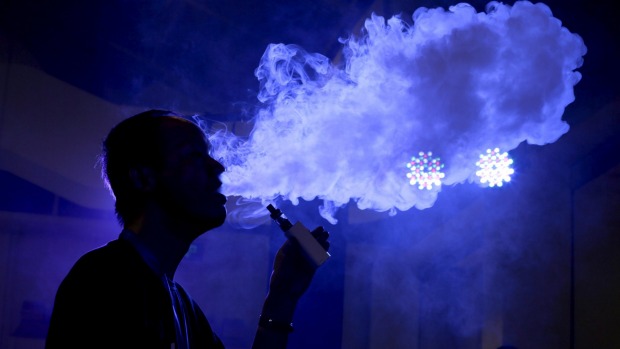
In recent years, the e-cigarette market has grown exponentially, and through investments, tobacco giants have secured a "big slice" of this market pie.
In 2013, British American Tobacco was the first international company to launch e-cigarettes (then called Vype) in the UK.
In 2013, Philip Morris partnered with Altria to develop the e-cigarette market outside the U.S. In 2014, it acquired Nicocigs to enter the UK market.
In 2014, Imperial Brands acquired the e-cigarette brand Blu after its subsidiary Dragonite purchased it for $75 million in 2013.
British American Tobacco stated on its website that it will continue to invest "significantly" in the research, development, and commercialization of e-cigarette products.
"If we successfully develop and launch a range of products that meet the needs of adult smokers seeking lower-risk alternatives to cigarettes, it will bring commercial benefits to us and our shareholders."
Wanting to Be Good, But Nature Is Hard to Change
Imperial Brands "certainly wants to help" in "shaping good, solid, and sound regulations," said its corporate affairs manager Louise Evans McDonald.
But the tobacco industry just wants to talk about morally responsible investments, which is "impossible," said Richard Edwards, co-director of public health at the University of Otago.
"By presenting themselves as not so bad, this may mean that for them, it’s a way to gain greater influence from the government or policy, etc."
But looking at the industry's record of court litigation, he said, such as attempts to block graphic health warnings in Uruguay and to prevent plain packaging in the UK.
"They are still trying to block effective policies that can reduce smoking harm. So that’s why I don’t think there’s any evidence that the tobacco industry has changed at all."
No Proposals to Regulate Suppliers
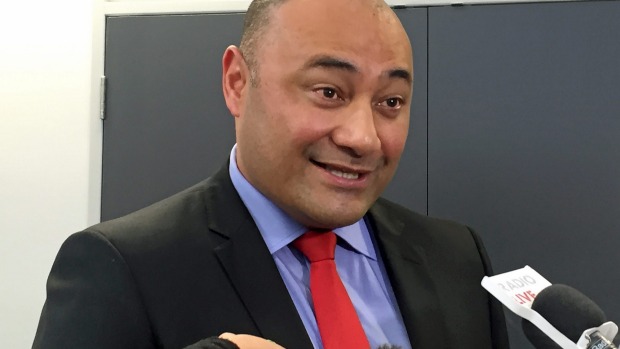
When asked whether tobacco companies benefit from the government proposal, Deputy Health Minister Peseta Sam Lotu-Iiga responded, "This is not a proposal that regulates companies providing e-cigarettes."
The proposal will treat e-cigarettes in a "similar way" to tobacco control, "the tobacco companies are already operating internally," he said.
He has not yet discussed this issue with the tobacco industry.


