
What Signal Did the Heated Tobacco National Team Send by Showing Up at the Shanghai Vape Expo?
China Tobacco’s sudden appearance in Shanghai shocked the industry and its insiders. Beyond the surprise, these reactions also reveal the strong demand for a legalized and standardized e-cigarette market. The national standard for E-Cigarettes has been of
China Tobacco made a surprise appearance at the Shanghai Vape Expo, shocking and delighting industry insiders, revealing a strong demand for a legalized and regulated electronic cigarette market. The national standard for electronic cigarettes has been approved by the National Standardization Committee, which will help establish industry standards and regulate products, while the E-commerce Law will better regulate the previously chaotic e-commerce landscape.
Looking back at market trends, the 2018 CECMOL Japan and New Zealand exhibitions show that the market for small devices and heated tobacco continues to rise both domestically and internationally. The overseas electronic cigarette market is booming, and the domestic market is catching up. China, North America, Europe, Eastern Europe, Southeast Asia, and Japan and South Korea will become the main battlegrounds, with the global market expected to reach $47 billion by 2025, and the heated tobacco market estimated to reach $15 billion in 2021 (data sourced from various media outlets).
China Tobacco (for example, the low-temperature non-combustion devices being trialed overseas) is paving the way for market entry and attempting to sell abroad. Similar to traditional tobacco companies overseas, China Tobacco is expected to become a leader in the domestic electronic cigarette market, possessing a mature industrial chain and technology, making it easier to penetrate the market and gain acceptance from smokers and other potential customers.
This leads to the signal behind this surprise appearance: the acceleration of market legalization and regulation by China Tobacco.
1. The legalization and regulation of the domestic heated tobacco market will enhance acceptance, improve promotion, and reliability, stimulating the industry chain and advancing technology, breaking the monopoly of foreign e-liquid technology. This will stimulate offline sales and the performance of physical stores.
As we know, any industry first establishes standards and policies after the market has developed. Currently, it seems that the electronic cigarette market is gradually rising, so national standards will be introduced in succession. In my opinion, the core concerns of the state are safety, health, and taxation. By grasping these key directions, products that truly address the pain points of smokers and attract interest will undoubtedly become leaders in the industry. An industry cannot form without standards, so the government's emphasis on establishing policies and standards indicates a promising future, while inevitably eliminating some inferior businesses.
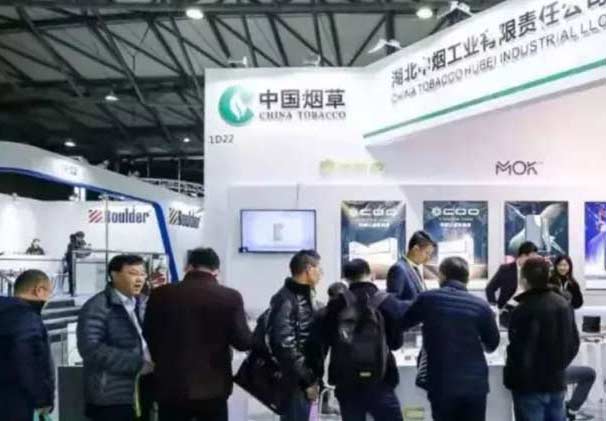 China Tobacco is accumulating research and development technology for electronic cigarettes. The company is advancing innovation in electronic cigarettes and heated tobacco products, with certain accumulations in e-liquid technology. The national standard for electronic cigarettes has been approved by the National Standardization Committee, which will help establish industry standards and regulate products.
China Tobacco has channel and brand influence, promoting the penetration of electronic cigarettes. With its strong brand influence and channels, if China Tobacco promotes electronic cigarettes, the penetration rate will significantly increase, enhancing recognition and demand for electronic cigarette products. The domestic electronic cigarette industry chain is expected to extend to e-liquids and cartridges, with the core of e-liquid electronic cigarettes lying in the e-liquid. The core differences in e-liquid electronic cigarettes are in the e-liquid segment, whether in terms of raw materials, flavoring, food safety levels, or overall factors such as taste, vapor volume, and discomfort. Imported e-liquids have a significant competitive advantage. Although 90% of electronic cigarette devices are produced domestically, the vast majority of e-liquids rely on imports, and the formula and taste of e-liquids determine user experience and purchasing desire.
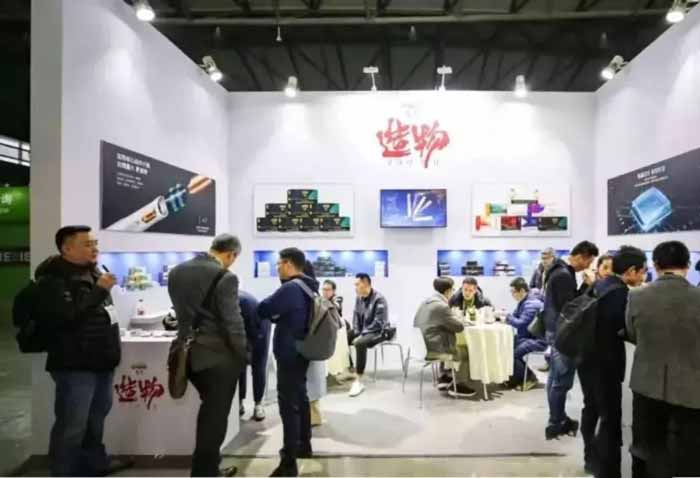 The national standard plan for "Electronic Cigarettes" and "Determination of Nicotine, Propylene Glycol, and Glycerol in E-Liquids by Gas Chromatography" is reported and executed by TC144 (National Tobacco Standardization Technical Committee), with the National Tobacco Monopoly Bureau as the supervising department. It is worth noting that the "Electronic Cigarettes" standard is a mandatory national standard plan, which means that it must be implemented through legal and administrative means within a certain scope, possessing legal attributes, meaning that enterprises must strictly comply. Moreover, the drafting units are all tobacco system institutions.
2. More encouragement for domestic manufacturers to participate in research, production, and manufacturing together, to standardize and establish a good market environment.
3. Different devices will join the market, diversifying sales channels.
4. Market segmentation, with national teams, manufacturers, and first and second-level agents (it is estimated that small manufacturers and groups only seeking short-term profits will gradually disappear), leading to a smaller player community. The market will generally be divided into small devices, low-temperature non-combustion, and player groups, while traditional large vapor products will shrink into pure player groups.
5. More research support for new tobacco and heating technologies, breaking the previous monopoly market, allowing better cartridges to provide users with a better experience and making it easier for other potential users to accept.
 Summary
1. The entry of the national team provides a strong stabilizing force for the market, which is self-evident for manufacturers and agents.
2. Breaking the market monopoly of some manufacturers will make the market more active and competitive, instilling greater confidence in manufacturers to venture into overseas markets, thus creating a positive cycle for the market.
3. Market regulation will be put on the right track, changing the past chaotic pricing and fake products in the domestic electronic cigarette market, leading to a future where licensed and registered products will prevail, making it easier for users to accept and trust, thus bringing better profits to offline channels.
4. For customers, this represents reliability and trustworthiness, significantly reducing the barriers to entry in this market phase, making it easier for the audience to accept electronic cigarettes and low-temperature non-combustion products.
5. Stimulating the market will attract more capital investment into the electronic cigarette market, significantly strengthening the capabilities of manufacturers and new companies.
6. Establishing new tobacco taxes, tobacco laws, and quarantine standards to address the current emerging low-temperature non-combustion market, thus driving the entire market forward.
Looking back at market trends, the 2018 CECMOL Japan and New Zealand exhibitions show that the market for small devices and heated tobacco continues to rise both domestically and internationally. The overseas electronic cigarette market is booming, and the domestic market is catching up. China, North America, Europe, Eastern Europe, Southeast Asia, and Japan and South Korea will become the main battlegrounds, with the global market expected to reach $47 billion by 2025, and the heated tobacco market estimated to reach $15 billion in 2021 (data sourced from various media outlets).
China Tobacco (for example, the low-temperature non-combustion devices being trialed overseas) is paving the way for market entry and attempting to sell abroad. Similar to traditional tobacco companies overseas, China Tobacco is expected to become a leader in the domestic electronic cigarette market, possessing a mature industrial chain and technology, making it easier to penetrate the market and gain acceptance from smokers and other potential customers.
This leads to the signal behind this surprise appearance: the acceleration of market legalization and regulation by China Tobacco.
1. The legalization and regulation of the domestic heated tobacco market will enhance acceptance, improve promotion, and reliability, stimulating the industry chain and advancing technology, breaking the monopoly of foreign e-liquid technology. This will stimulate offline sales and the performance of physical stores.
As we know, any industry first establishes standards and policies after the market has developed. Currently, it seems that the electronic cigarette market is gradually rising, so national standards will be introduced in succession. In my opinion, the core concerns of the state are safety, health, and taxation. By grasping these key directions, products that truly address the pain points of smokers and attract interest will undoubtedly become leaders in the industry. An industry cannot form without standards, so the government's emphasis on establishing policies and standards indicates a promising future, while inevitably eliminating some inferior businesses.
China Tobacco is accumulating research and development technology for electronic cigarettes. The company is advancing innovation in electronic cigarettes and heated tobacco products, with certain accumulations in e-liquid technology. The national standard for electronic cigarettes has been approved by the National Standardization Committee, which will help establish industry standards and regulate products.China Tobacco has channel and brand influence, promoting the penetration of electronic cigarettes. With its strong brand influence and channels, if China Tobacco promotes electronic cigarettes, the penetration rate will significantly increase, enhancing recognition and demand for electronic cigarette products. The domestic electronic cigarette industry chain is expected to extend to e-liquids and cartridges, with the core of e-liquid electronic cigarettes lying in the e-liquid. The core differences in e-liquid electronic cigarettes are in the e-liquid segment, whether in terms of raw materials, flavoring, food safety levels, or overall factors such as taste, vapor volume, and discomfort. Imported e-liquids have a significant competitive advantage. Although 90% of electronic cigarette devices are produced domestically, the vast majority of e-liquids rely on imports, and the formula and taste of e-liquids determine user experience and purchasing desire.
The national standard plan for "Electronic Cigarettes" and "Determination of Nicotine, Propylene Glycol, and Glycerol in E-Liquids by Gas Chromatography" is reported and executed by TC144 (National Tobacco Standardization Technical Committee), with the National Tobacco Monopoly Bureau as the supervising department. It is worth noting that the "Electronic Cigarettes" standard is a mandatory national standard plan, which means that it must be implemented through legal and administrative means within a certain scope, possessing legal attributes, meaning that enterprises must strictly comply. Moreover, the drafting units are all tobacco system institutions.2. More encouragement for domestic manufacturers to participate in research, production, and manufacturing together, to standardize and establish a good market environment.
3. Different devices will join the market, diversifying sales channels.
4. Market segmentation, with national teams, manufacturers, and first and second-level agents (it is estimated that small manufacturers and groups only seeking short-term profits will gradually disappear), leading to a smaller player community. The market will generally be divided into small devices, low-temperature non-combustion, and player groups, while traditional large vapor products will shrink into pure player groups.
5. More research support for new tobacco and heating technologies, breaking the previous monopoly market, allowing better cartridges to provide users with a better experience and making it easier for other potential users to accept.
Summary1. The entry of the national team provides a strong stabilizing force for the market, which is self-evident for manufacturers and agents.
2. Breaking the market monopoly of some manufacturers will make the market more active and competitive, instilling greater confidence in manufacturers to venture into overseas markets, thus creating a positive cycle for the market.
3. Market regulation will be put on the right track, changing the past chaotic pricing and fake products in the domestic electronic cigarette market, leading to a future where licensed and registered products will prevail, making it easier for users to accept and trust, thus bringing better profits to offline channels.
4. For customers, this represents reliability and trustworthiness, significantly reducing the barriers to entry in this market phase, making it easier for the audience to accept electronic cigarettes and low-temperature non-combustion products.
5. Stimulating the market will attract more capital investment into the electronic cigarette market, significantly strengthening the capabilities of manufacturers and new companies.
6. Establishing new tobacco taxes, tobacco laws, and quarantine standards to address the current emerging low-temperature non-combustion market, thus driving the entire market forward.


