
Why Are E-Cigarettes Banned from Sale in Some Countries?
Amid many news reports criticizing e-cigarettes, people often say they have been banned from sale in many countries and regions, including Malaysia, Thailand, Australia, New Zealand, Brazil, and Argentina. Recently, Hong Kong has also been added to the li
In the face of numerous news reports attacking e-cigarettes, many countries have banned their sale abroad, including Malaysia, Thailand, Australia, New Zealand, Brazil, Argentina, and recently, Hong Kong. Can we see some clues?
Hong Kong: In fact, e-cigarettes have been banned from sale and production in Hong Kong since 2015. The Hong Kong Tobacco Company is a private company that monopolizes the tobacco industry in Hong Kong. Have you heard of the Ho family, particularly Ho Ying-kit?
Mr. Ho, a hidden billionaire in Hong Kong, is worth over 100 billion.
Malaysia: A world of foreign cigarettes controlled by a foreign company. It was originally a British colony, and the production and market of cigarettes are controlled by three companies. The Rothmans company holds a 52% market share, British American Tobacco's Malaysian Tobacco Company holds 25%, and Reynolds holds 18% (legalization of e-cigarettes is already in progress, and taxes will be imposed).
Thailand: Currently, there is only one state-owned cigarette factory in Bangkok. The issue of smuggled cigarettes is quite serious, mainly controlled by the military, making it difficult to stop. Another country where the tobacco industry is not under government control (considering the legalization of e-cigarettes and taxation).
Australia: To this day, none of the seven states and the federal government in Australia have a unified law regarding cigarette sales and advertising. The traditional tobacco market is mainly dominated by three major tobacco companies, including Rothmans (British tobacco company), Philip Morris (American tobacco company), and W.D. & H.O. Wills (American tobacco company).
New Zealand: In 2016, the New Zealand government collected a total of NZD 1.7 billion in consumption tax from the three largest tobacco giants BAT NZ, Imperial Tobacco, and Philip Morris, accounting for 4% of New Zealand's annual tax revenue. A country that heavily relies on tobacco taxes (e-cigarettes have already been legalized).
Brazil: A major producer and exporter of tobacco in the world, ranking fourth in tobacco leaf production and second in tobacco leaf exports. In 1991, Brazil's last remaining tobacco company with a 4% market share, the Sultan Tobacco Company, was acquired by the American company Man Group. Since then, the Brazilian tobacco industry has completely fallen into foreign hands.
Argentina: A country without a tobacco monopoly system. Currently, the crying Argentinians are still pointing to the title of seizing the world's tobacco plantations from Brazil to revitalize the economy and develop e-cigarettes? That's impossible; the thousands of billions in foreign debt need to be repaid through tobacco leaf exports.
The high tax nature of the tobacco industry goes without saying; just look at the following data, and everyone knows.
Tobacco tax burden levels in some countries around the world
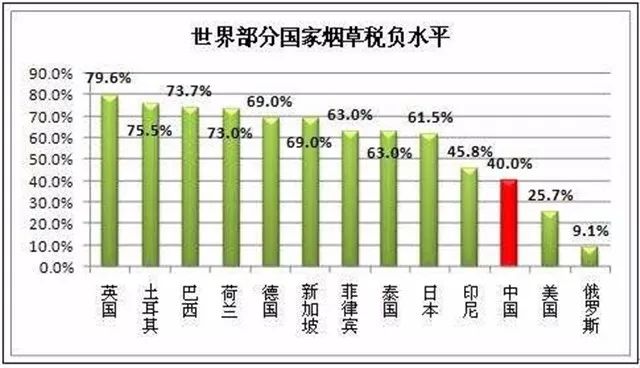
The countries that have banned sales are those where the domestic tobacco industry is not controlled by the government. Once international e-cigarette brands enter the domestic market, they severely impact the local tobacco industry. Where will the missing tax revenue be made up?
So, those with brains can ponder the following questions:
Why has the United States, which has the most e-cigarette brands and the largest market share, not banned e-cigarette sales? It only prohibits underage use, with standards equivalent to traditional tobacco, requiring individuals to be at least 21 years old. It has also established a comprehensive regulatory system.
And why does the UK, which strongly supports e-cigarettes, even include them in the healthcare system? If e-cigarettes are so harmful, why does the UK government dare to act this way?
Why do countries that do not have strict regulations in other livelihood areas implement e-cigarette bans? These countries happen to lack sufficient control over their domestic tobacco industry.
No one will go against money, and no government will go against tax revenue. For the government, tobacco tax is a money bag; how to protect their money bag regarding e-cigarettes is worth everyone's deep thought.
Are you the government's money bag?
Finally, we hope that all self-media or colleagues in the news industry can take the time to read this book when writing about the argument that e-cigarettes are harmful to health.
Hong Kong: In fact, e-cigarettes have been banned from sale and production in Hong Kong since 2015. The Hong Kong Tobacco Company is a private company that monopolizes the tobacco industry in Hong Kong. Have you heard of the Ho family, particularly Ho Ying-kit?
Mr. Ho, a hidden billionaire in Hong Kong, is worth over 100 billion.
Malaysia: A world of foreign cigarettes controlled by a foreign company. It was originally a British colony, and the production and market of cigarettes are controlled by three companies. The Rothmans company holds a 52% market share, British American Tobacco's Malaysian Tobacco Company holds 25%, and Reynolds holds 18% (legalization of e-cigarettes is already in progress, and taxes will be imposed).
Thailand: Currently, there is only one state-owned cigarette factory in Bangkok. The issue of smuggled cigarettes is quite serious, mainly controlled by the military, making it difficult to stop. Another country where the tobacco industry is not under government control (considering the legalization of e-cigarettes and taxation).
Australia: To this day, none of the seven states and the federal government in Australia have a unified law regarding cigarette sales and advertising. The traditional tobacco market is mainly dominated by three major tobacco companies, including Rothmans (British tobacco company), Philip Morris (American tobacco company), and W.D. & H.O. Wills (American tobacco company).
New Zealand: In 2016, the New Zealand government collected a total of NZD 1.7 billion in consumption tax from the three largest tobacco giants BAT NZ, Imperial Tobacco, and Philip Morris, accounting for 4% of New Zealand's annual tax revenue. A country that heavily relies on tobacco taxes (e-cigarettes have already been legalized).
Brazil: A major producer and exporter of tobacco in the world, ranking fourth in tobacco leaf production and second in tobacco leaf exports. In 1991, Brazil's last remaining tobacco company with a 4% market share, the Sultan Tobacco Company, was acquired by the American company Man Group. Since then, the Brazilian tobacco industry has completely fallen into foreign hands.
Argentina: A country without a tobacco monopoly system. Currently, the crying Argentinians are still pointing to the title of seizing the world's tobacco plantations from Brazil to revitalize the economy and develop e-cigarettes? That's impossible; the thousands of billions in foreign debt need to be repaid through tobacco leaf exports.
The high tax nature of the tobacco industry goes without saying; just look at the following data, and everyone knows.
Tobacco tax burden levels in some countries around the world
The countries that have banned sales are those where the domestic tobacco industry is not controlled by the government. Once international e-cigarette brands enter the domestic market, they severely impact the local tobacco industry. Where will the missing tax revenue be made up?
So, those with brains can ponder the following questions:
Why has the United States, which has the most e-cigarette brands and the largest market share, not banned e-cigarette sales? It only prohibits underage use, with standards equivalent to traditional tobacco, requiring individuals to be at least 21 years old. It has also established a comprehensive regulatory system.
And why does the UK, which strongly supports e-cigarettes, even include them in the healthcare system? If e-cigarettes are so harmful, why does the UK government dare to act this way?
Why do countries that do not have strict regulations in other livelihood areas implement e-cigarette bans? These countries happen to lack sufficient control over their domestic tobacco industry.
No one will go against money, and no government will go against tax revenue. For the government, tobacco tax is a money bag; how to protect their money bag regarding e-cigarettes is worth everyone's deep thought.
Are you the government's money bag?
Finally, we hope that all self-media or colleagues in the news industry can take the time to read this book when writing about the argument that e-cigarettes are harmful to health.
Related Articles

Vaping News
Ahead of a Nationwide Ban, Hundreds of Russian Retailers Voluntarily Stop Selling Vapes
2026-04-16

Vaping News
Illegal Vape Brands Try to Evade FDA Scrutiny by Posing as “Made in the USA”
2026-04-08

Vaping News
Jordan’s New Tobacco Control Rules: Waterpipe Tobacco Market Set for Major Changes
2026-03-17