
E-Cigarettes Are a Major Trend—And a Fiercely Competitive Red Ocean
In 2015, Boton Group acquired all equity of e-cigarette company Kimree, Inc. for the high price of RMB 750 million, officially entering the e-cigarette business. Kimree, known in Chinese as Jirui, made headlines in the industry at the time. This was major
In 2015, the Borton Group acquired all shares of the e-cigarette company Kimree, Inc. for a staggering 750 million RMB, officially entering the e-cigarette business. Kimree, known in Chinese as 吉瑞, was explosive news for the e-cigarette industry at the time! This is because Kimree's clients include major companies like Marlboro's parent company Altria, making it the second-largest e-cigarette manufacturer globally; not only that, it ranks second in the number of e-cigarette patent applications worldwide and was among the top ten international patent applicants in 2015, becoming the first e-cigarette company to go public in the United States!
After acquiring Kimree, Borton launched its own e-cigarette brand, Firearm, a brand that was born with a golden key. Why? Because for the vast majority of e-cigarette brands, even now, they rely on OEM production, and almost all technology comes from the factories. The advantage of this is naturally cost savings and a lower barrier to entry. However, the downside is the lack of independent core technology. This has led to a series of problems in the current small cigarette market.
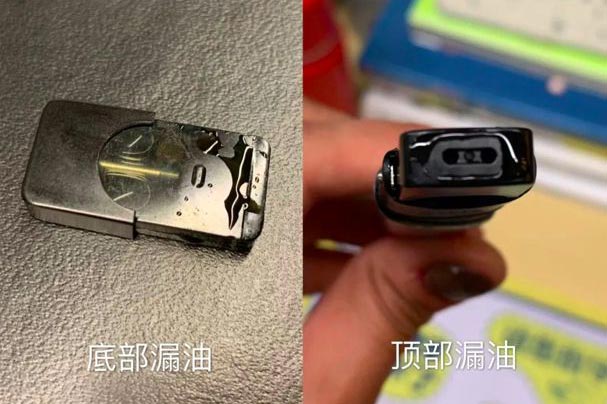
 Firearm, however, has the support of Kimree's independent technology. Moreover, the Borton Group, which acquired Kimree, is also a supplier of flavors and fragrances to China Tobacco, meaning that Firearm has an unparalleled advantage in the flavoring technology of e-cigarette e-liquids. This also means that Firearm can better empathize with the common problems in the industry. Below are some insights from Firearm's general manager, Ma Jing, on the pain points of the e-cigarette industry. The biggest problem is oil leakage. There are two types of oil leakage: one is the condensation of e-liquid that remains on the inner wall of the airflow opening, accumulating over time, making it easy to draw into the mouth. The other is caused by the structure of the atomization chamber, leading to e-liquid seepage. Because the atomization chamber requires both intake and exhaust, they are interconnected and have pores. E-liquid is a liquid, and if its viscosity is not high, it can easily seep out from the bottom airflow opening over time. This problem is a common issue in the industry and has been difficult to solve, only manageable within a certain probability range.
Another issue is burnt coils. Currently, ceramic core cartridges are still mainstream, but the problem with ceramic cores is that their structure consists of many irregular holes, causing some natural flavorings in the e-liquid to carbonize when heated and adhere to the small holes, forming carbon buildup over time, which affects the taste.
 Finally, there is homogenization. As mentioned earlier, most e-cigarettes are OEM branded, with a very low barrier to entry. How low is the barrier? Some in the industry jokingly say that with 500 RMB for trademark registration and 500 RMB for trademark design, a founder can emerge. Therefore, many of the well-selling brands on the market look quite similar; even if their appearances differ slightly, the core technologies inside are largely the same.
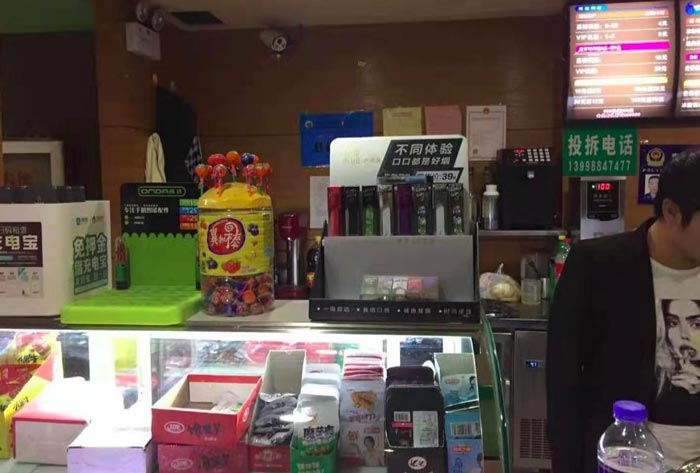
At this stage, everyone is competing in marketing and channel building, but in the medium to long term, the future competition in e-cigarettes will be about products and brands. In fact, this future is not far off; by 2019, e-cigarettes will enter a fierce race. Once the influencer phase ends and online conversion capabilities are exhausted, e-cigarettes will inevitably have to abandon the previously wild growth model and build new brands and channels. At that time, e-cigarettes will return to traditional offline channels and will inevitably penetrate deeper into channels like bars, KTVs, restaurants, convenience stores, and internet cafes. This will determine who dominates the e-cigarette market in the second half.
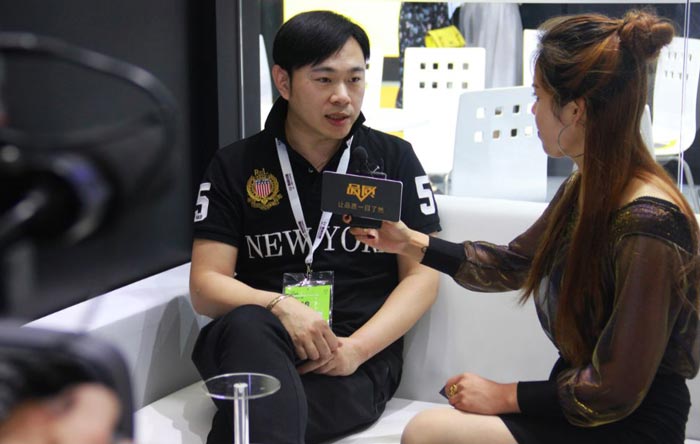
Ma Jing firmly believes that e-cigarettes are definitely a trend in the healthy industry.
 Global anti-smoking efforts are a trend, and international giants, including China Tobacco Group, are actively laying out the new tobacco market. This explains why Marlboro's parent company acquired JUUL. JUUL's users are mostly from the post-2000 generation, even post-2010, indicating that Marlboro is clearly making strategic plans for the future.
The East is no exception. According to PMI statistics, developed countries in East Asia, such as Japan and South Korea, have the highest acceptance of e-cigarettes, with 4.41 million users in East Asia fully converted to e-cigarettes, accounting for 76.4% globally. China shares cultural similarities with Japan and South Korea; if not for policy restrictions and biased public opinion, China could also see a large-scale user conversion. The frequent occurrence of e-cigarette smuggling cases in the past year reflects the diverse demands of some domestic consumers for new tobacco products. It is foreseeable that as e-cigarette technology matures and public acceptance increases, along with the continuous improvement of relevant laws and standards, the domestic new tobacco market is expected to have a bright future. In fact, various companies under China Tobacco began laying out the new tobacco field in various ways as early as 2013. For example, in 2017, Sichuan Tobacco's Kuanzhai Kung Fu entered the South Korean market, and Yunnan Tobacco's MC also broke into the South Korean market in April 2018. Last year and the year before, Guangdong Tobacco and Hunan Tobacco's e-cigarette products were launched in Laos and the UK, respectively.
#p#分页标题#e#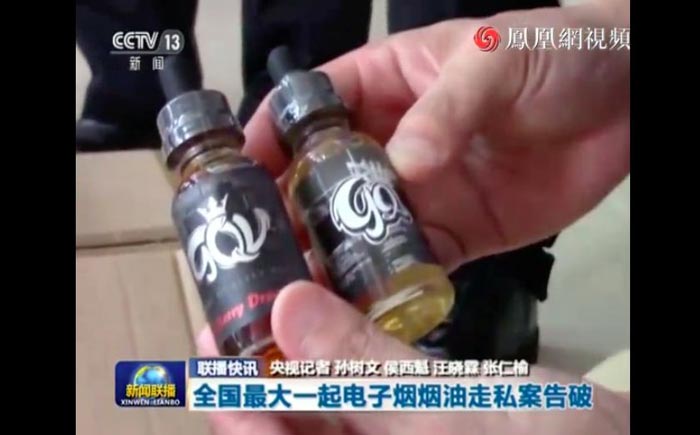 This is also why figures like Tongdao Dashi and Luo Yonghao, who are engaged in the internet and mobile phone industries, have all entered the field. As Lei Jun said, standing on the wind, even pigs can fly.
 However, Ma Jing believes that rather than saying e-cigarettes are a trend, it is more accurate to say they are a trend. Because e-cigarettes are not as beautiful as the outside world sees; the industry still has pain points, and competition is becoming increasingly fierce. If one does not establish their own moat, they may easily be eliminated.
Perhaps e-cigarettes are already a red ocean. However, for ordinary entrepreneurs, which of these is not stained with blood?
Reprinted from WeChat public account: E-Cigarette News
After acquiring Kimree, Borton launched its own e-cigarette brand, Firearm, a brand that was born with a golden key. Why? Because for the vast majority of e-cigarette brands, even now, they rely on OEM production, and almost all technology comes from the factories. The advantage of this is naturally cost savings and a lower barrier to entry. However, the downside is the lack of independent core technology. This has led to a series of problems in the current small cigarette market.
Firearm, however, has the support of Kimree's independent technology. Moreover, the Borton Group, which acquired Kimree, is also a supplier of flavors and fragrances to China Tobacco, meaning that Firearm has an unparalleled advantage in the flavoring technology of e-cigarette e-liquids. This also means that Firearm can better empathize with the common problems in the industry. Below are some insights from Firearm's general manager, Ma Jing, on the pain points of the e-cigarette industry. The biggest problem is oil leakage. There are two types of oil leakage: one is the condensation of e-liquid that remains on the inner wall of the airflow opening, accumulating over time, making it easy to draw into the mouth. The other is caused by the structure of the atomization chamber, leading to e-liquid seepage. Because the atomization chamber requires both intake and exhaust, they are interconnected and have pores. E-liquid is a liquid, and if its viscosity is not high, it can easily seep out from the bottom airflow opening over time. This problem is a common issue in the industry and has been difficult to solve, only manageable within a certain probability range.Another issue is burnt coils. Currently, ceramic core cartridges are still mainstream, but the problem with ceramic cores is that their structure consists of many irregular holes, causing some natural flavorings in the e-liquid to carbonize when heated and adhere to the small holes, forming carbon buildup over time, which affects the taste.
Finally, there is homogenization. As mentioned earlier, most e-cigarettes are OEM branded, with a very low barrier to entry. How low is the barrier? Some in the industry jokingly say that with 500 RMB for trademark registration and 500 RMB for trademark design, a founder can emerge. Therefore, many of the well-selling brands on the market look quite similar; even if their appearances differ slightly, the core technologies inside are largely the same.At this stage, everyone is competing in marketing and channel building, but in the medium to long term, the future competition in e-cigarettes will be about products and brands. In fact, this future is not far off; by 2019, e-cigarettes will enter a fierce race. Once the influencer phase ends and online conversion capabilities are exhausted, e-cigarettes will inevitably have to abandon the previously wild growth model and build new brands and channels. At that time, e-cigarettes will return to traditional offline channels and will inevitably penetrate deeper into channels like bars, KTVs, restaurants, convenience stores, and internet cafes. This will determine who dominates the e-cigarette market in the second half.
Ma Jing firmly believes that e-cigarettes are definitely a trend in the healthy industry.
Global anti-smoking efforts are a trend, and international giants, including China Tobacco Group, are actively laying out the new tobacco market. This explains why Marlboro's parent company acquired JUUL. JUUL's users are mostly from the post-2000 generation, even post-2010, indicating that Marlboro is clearly making strategic plans for the future.The East is no exception. According to PMI statistics, developed countries in East Asia, such as Japan and South Korea, have the highest acceptance of e-cigarettes, with 4.41 million users in East Asia fully converted to e-cigarettes, accounting for 76.4% globally. China shares cultural similarities with Japan and South Korea; if not for policy restrictions and biased public opinion, China could also see a large-scale user conversion. The frequent occurrence of e-cigarette smuggling cases in the past year reflects the diverse demands of some domestic consumers for new tobacco products. It is foreseeable that as e-cigarette technology matures and public acceptance increases, along with the continuous improvement of relevant laws and standards, the domestic new tobacco market is expected to have a bright future. In fact, various companies under China Tobacco began laying out the new tobacco field in various ways as early as 2013. For example, in 2017, Sichuan Tobacco's Kuanzhai Kung Fu entered the South Korean market, and Yunnan Tobacco's MC also broke into the South Korean market in April 2018. Last year and the year before, Guangdong Tobacco and Hunan Tobacco's e-cigarette products were launched in Laos and the UK, respectively.
#p#分页标题#e#
This is also why figures like Tongdao Dashi and Luo Yonghao, who are engaged in the internet and mobile phone industries, have all entered the field. As Lei Jun said, standing on the wind, even pigs can fly. However, Ma Jing believes that rather than saying e-cigarettes are a trend, it is more accurate to say they are a trend. Because e-cigarettes are not as beautiful as the outside world sees; the industry still has pain points, and competition is becoming increasingly fierce. If one does not establish their own moat, they may easily be eliminated.Perhaps e-cigarettes are already a red ocean. However, for ordinary entrepreneurs, which of these is not stained with blood?
Reprinted from WeChat public account: E-Cigarette News
Related Articles

Vaping News
Ahead of a Nationwide Ban, Hundreds of Russian Retailers Voluntarily Stop Selling Vapes
2026-04-16

Vaping News
Illegal Vape Brands Try to Evade FDA Scrutiny by Posing as “Made in the USA”
2026-04-08

Vaping News
Jordan’s New Tobacco Control Rules: Waterpipe Tobacco Market Set for Major Changes
2026-03-17