
Is Quitting Smoking Suddenly Really Bad for Your Health?
Is quitting smoking suddenly really bad for your health? Smoking is harmful to health, but what kind of harm does it actually cause? Smoking can lead to lung cancer, respiratory diseases, oral diseases, and many other health problems.
Is quitting smoking suddenly really bad for your health? Smoking is harmful to health, so what exactly are the health risks associated with smoking? Smoking can lead to lung cancer, respiratory diseases, oral diseases, and various other illnesses.
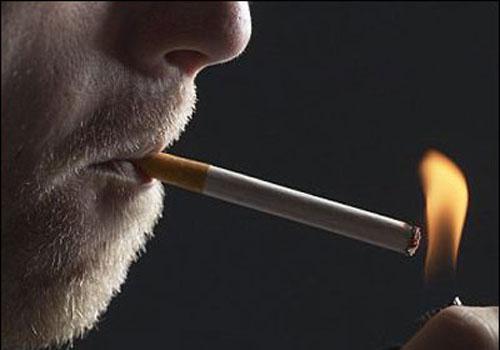
According to statistics, tens of thousands of people die from smoking in China every year, leading the world in smoking-related deaths. The smoking rate among Chinese men ranks among the highest globally, resulting in over hundreds of millions of smokers and more than 700 million non-smokers exposed to the dangers of secondhand smoke.
More and more people are planning to quit smoking, which seems to have countless benefits, yet some people oppose it, even claiming: "Quitting smoking suddenly is bad because the body has adapted to smoking, and quitting abruptly can be very uncomfortable, even leading to serious illness." Some use this as an excuse to continue smoking, while others have concerns about quitting. So, is quitting smoking suddenly really bad for your health?
1. Sleep disturbances, such as interrupted sleep, insomnia, hypersomnia, and difficulty falling asleep. Oral abnormalities, such as mouth ulcers, dry mouth, and thirst. Mental tension, such as anxiety, irritability, and mood swings.
2. Hunger. After quitting smoking, the body's ability to absorb food improves. Almost all smokers experience an increased appetite after quitting. Headaches and dizziness. Headaches can last for a day and may recur after a week. The cause is still unclear.
3. Coughing or producing black phlegm. After years of smoking, the lungs produce a lot of mucus for self-protection. After quitting, the mucus loosens and is expelled from the respiratory tract, and the cilia begin to move again. Generally, coughing lasts for a while, and it is actually a reaction to the sudden withdrawal of nicotine.
These withdrawal symptoms are essentially due to nicotine dependence and psychological dependence. This is also the body's adjustment process as it gradually returns to a non-smoking state, with the most severe symptoms occurring between the 5th and 7th days after quitting, gradually diminishing and disappearing over the following weeks.
So when experiencing these withdrawal symptoms during the quitting process, don't worry; it's just a transitional phase for the body. Persisting through it is the key to success.
According to statistics, tens of thousands of people die from smoking in China every year, leading the world in smoking-related deaths. The smoking rate among Chinese men ranks among the highest globally, resulting in over hundreds of millions of smokers and more than 700 million non-smokers exposed to the dangers of secondhand smoke.
More and more people are planning to quit smoking, which seems to have countless benefits, yet some people oppose it, even claiming: "Quitting smoking suddenly is bad because the body has adapted to smoking, and quitting abruptly can be very uncomfortable, even leading to serious illness." Some use this as an excuse to continue smoking, while others have concerns about quitting. So, is quitting smoking suddenly really bad for your health?
1. Sleep disturbances, such as interrupted sleep, insomnia, hypersomnia, and difficulty falling asleep. Oral abnormalities, such as mouth ulcers, dry mouth, and thirst. Mental tension, such as anxiety, irritability, and mood swings.
2. Hunger. After quitting smoking, the body's ability to absorb food improves. Almost all smokers experience an increased appetite after quitting. Headaches and dizziness. Headaches can last for a day and may recur after a week. The cause is still unclear.
3. Coughing or producing black phlegm. After years of smoking, the lungs produce a lot of mucus for self-protection. After quitting, the mucus loosens and is expelled from the respiratory tract, and the cilia begin to move again. Generally, coughing lasts for a while, and it is actually a reaction to the sudden withdrawal of nicotine.
These withdrawal symptoms are essentially due to nicotine dependence and psychological dependence. This is also the body's adjustment process as it gradually returns to a non-smoking state, with the most severe symptoms occurring between the 5th and 7th days after quitting, gradually diminishing and disappearing over the following weeks.
So when experiencing these withdrawal symptoms during the quitting process, don't worry; it's just a transitional phase for the body. Persisting through it is the key to success.
Related Articles

Vaping News
Ahead of a Nationwide Ban, Hundreds of Russian Retailers Voluntarily Stop Selling Vapes
2026-04-16

Vaping News
Illegal Vape Brands Try to Evade FDA Scrutiny by Posing as “Made in the USA”
2026-04-08

Vaping News
Jordan’s New Tobacco Control Rules: Waterpipe Tobacco Market Set for Major Changes
2026-03-17