
Waste Sorting Guide: How Should E-Cigarettes Be Classified?
Recently, a humorous phrase about wet and dry trash has gone viral online, reflecting how confusing waste sorting can be for many Shanghai residents. Recyclables, hazardous waste, wet waste, and dry waste can be hard to tell apart. Why has China begun imp
Recently, a saying has become popular online: "What do you mean by wet? The dry thing in front of me is not dry."
This phrase humorously describes the current garbage sorting topic that Shanghai citizens are most concerned about: recyclable waste, hazardous waste, wet waste, dry waste, which are often confused.
Why has our country started implementing waste sorting? According to information from China National Radio, compared to the currently common methods of waste disposal such as sanitary landfilling, composting, and incineration, recycling and reuse is undoubtedly the best ideal model for waste management.
However, the first step to maximizing waste recycling and reuse is sorting.
In today's world where new consumer products are emerging endlessly, the accompanying issue of waste sorting is also worth paying attention to, such as the e-cigarettes that have gained popularity among smokers in recent years.
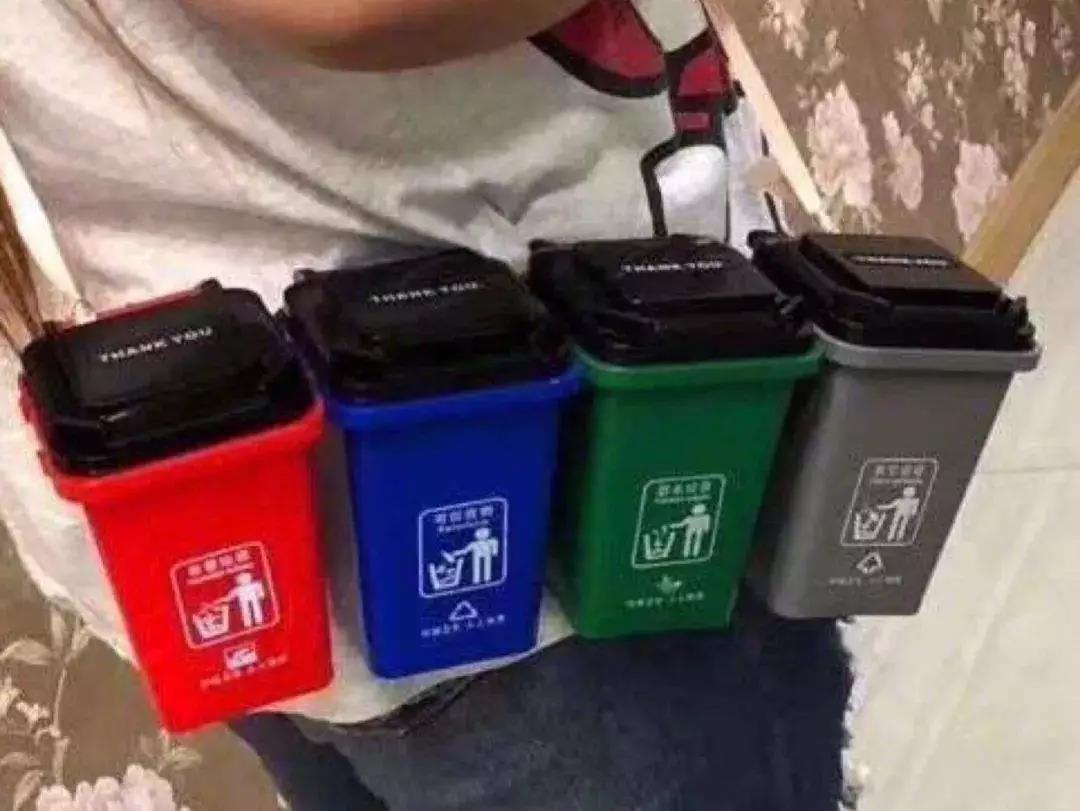
Essential waste sorting knowledge for smokers
To distinguish the waste classification of e-cigarettes, one must first understand which category their e-cigarette belongs to. Currently, e-cigarettes on the market are mainly divided into two categories.
One is heated tobacco products, and the other is e-liquid e-cigarettes. Both types consist of a heating rod and a pod, but the former's pods are made from traditional tobacco, while the latter uses e-liquid.
Since heated tobacco products use tobacco leaves for heating, their recycling method should be the same as traditional tobacco.
According to the "Shanghai Municipal Solid Waste Management Regulations," cigarette butts are classified as dry waste. As for e-liquid e-cigarettes, Shanghai has not yet provided a clear waste classification, but the heating rods of both types of e-cigarettes are considered electronic waste.
Environmental protection is not a one-person battle
With the above information, smokers should have a clear idea of which category of waste their cigarettes belong to.
However, the cooperation of smokers is one aspect; achieving sustainable development through waste sorting is not just the responsibility of the users; producers (companies) should also bear greater responsibility.
Some companies have already started taking action. For example, Apple encourages consumers to recycle their old computers or phones by offering trade-in discounts.
In recent years, with the development of the times, e-cigarettes have also become new consumer products, but their emergence has also brought new problems: how to recycle e-cigarette waste? Can a tobacco company achieve sustainable development? International tobacco giant Philip Morris International has given a positive answer: of course, it can.
International giants promote their own and industry sustainable development
In recent years, PMI has made significant efforts to promote sustainable development. Aiming to provide harm-reduction products for smokers, PMI launched the heated tobacco product IQOS in 2016.
At the same time, since heated tobacco products use less tobacco leaf compared to traditional tobacco, this helps farmers achieve crop diversification and reduces their reliance on tobacco planting income. In recent years, PMI has announced that "a smoke-free world" is its main development goal, causing a stir in the industry.
But PMI does not stop there; new products inevitably bring new maintenance and recycling issues. In response, PMI launched the IQOS device recycling program in 2018, a centralized inspection and recycling project for the circular economy (CIRCLE), to promote sustainable development through practical actions.
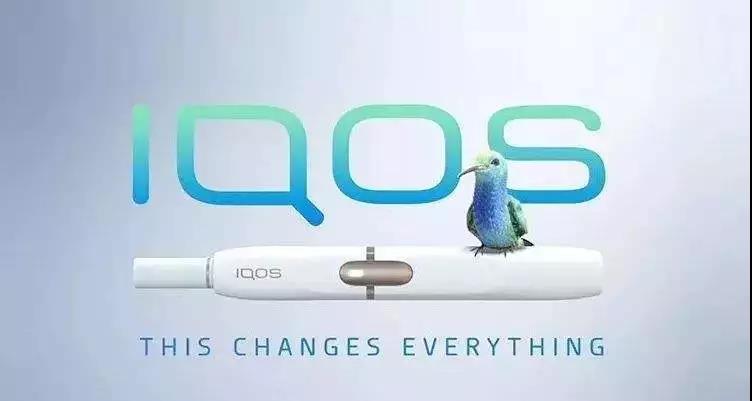
It is worth mentioning that this project strongly encourages the 9.6 million IQOS users to send their products to recycling channels when they are no longer repairable. PMI will recycle them to the highest industrial standards and even reuse them. So far, PMI has established two recycling centers in Europe and Asia, successfully implementing the CIRCLE mechanism in three global markets, with plans to expand to more regions by 2020.
While actively developing recycling projects, PMI has also put considerable thought into the selection of raw materials for its products, striving for environmental protection from the source. In 2018, PMI decided to replace the plastic packaging of IQOS with wood pulp packaging, reducing overall plastic usage by 93%, with significant results. #p#分页标题#e#
From the examples of Apple and PMI, it can be seen that environmental protection should not be a task for consumers alone; companies should take on corresponding social responsibilities. The road to environmental protection coexists with opportunities and challenges, but persistence is the only way out. Companies should play a guiding role while introducing corresponding incentive mechanisms to encourage consumers and businesses to pay attention to environmental protection and achieve sustainable development. In today's urgent environmental issues, I hope more companies can reflect on themselves and launch sustainable development mechanisms as soon as possible, positively impacting consumers and society.
This phrase humorously describes the current garbage sorting topic that Shanghai citizens are most concerned about: recyclable waste, hazardous waste, wet waste, dry waste, which are often confused.
Why has our country started implementing waste sorting? According to information from China National Radio, compared to the currently common methods of waste disposal such as sanitary landfilling, composting, and incineration, recycling and reuse is undoubtedly the best ideal model for waste management.
However, the first step to maximizing waste recycling and reuse is sorting.
In today's world where new consumer products are emerging endlessly, the accompanying issue of waste sorting is also worth paying attention to, such as the e-cigarettes that have gained popularity among smokers in recent years.
Essential waste sorting knowledge for smokers
To distinguish the waste classification of e-cigarettes, one must first understand which category their e-cigarette belongs to. Currently, e-cigarettes on the market are mainly divided into two categories.
One is heated tobacco products, and the other is e-liquid e-cigarettes. Both types consist of a heating rod and a pod, but the former's pods are made from traditional tobacco, while the latter uses e-liquid.
Since heated tobacco products use tobacco leaves for heating, their recycling method should be the same as traditional tobacco.
According to the "Shanghai Municipal Solid Waste Management Regulations," cigarette butts are classified as dry waste. As for e-liquid e-cigarettes, Shanghai has not yet provided a clear waste classification, but the heating rods of both types of e-cigarettes are considered electronic waste.
Environmental protection is not a one-person battle
With the above information, smokers should have a clear idea of which category of waste their cigarettes belong to.
However, the cooperation of smokers is one aspect; achieving sustainable development through waste sorting is not just the responsibility of the users; producers (companies) should also bear greater responsibility.
Some companies have already started taking action. For example, Apple encourages consumers to recycle their old computers or phones by offering trade-in discounts.
In recent years, with the development of the times, e-cigarettes have also become new consumer products, but their emergence has also brought new problems: how to recycle e-cigarette waste? Can a tobacco company achieve sustainable development? International tobacco giant Philip Morris International has given a positive answer: of course, it can.
International giants promote their own and industry sustainable development
In recent years, PMI has made significant efforts to promote sustainable development. Aiming to provide harm-reduction products for smokers, PMI launched the heated tobacco product IQOS in 2016.
At the same time, since heated tobacco products use less tobacco leaf compared to traditional tobacco, this helps farmers achieve crop diversification and reduces their reliance on tobacco planting income. In recent years, PMI has announced that "a smoke-free world" is its main development goal, causing a stir in the industry.
But PMI does not stop there; new products inevitably bring new maintenance and recycling issues. In response, PMI launched the IQOS device recycling program in 2018, a centralized inspection and recycling project for the circular economy (CIRCLE), to promote sustainable development through practical actions.
It is worth mentioning that this project strongly encourages the 9.6 million IQOS users to send their products to recycling channels when they are no longer repairable. PMI will recycle them to the highest industrial standards and even reuse them. So far, PMI has established two recycling centers in Europe and Asia, successfully implementing the CIRCLE mechanism in three global markets, with plans to expand to more regions by 2020.
While actively developing recycling projects, PMI has also put considerable thought into the selection of raw materials for its products, striving for environmental protection from the source. In 2018, PMI decided to replace the plastic packaging of IQOS with wood pulp packaging, reducing overall plastic usage by 93%, with significant results. #p#分页标题#e#
From the examples of Apple and PMI, it can be seen that environmental protection should not be a task for consumers alone; companies should take on corresponding social responsibilities. The road to environmental protection coexists with opportunities and challenges, but persistence is the only way out. Companies should play a guiding role while introducing corresponding incentive mechanisms to encourage consumers and businesses to pay attention to environmental protection and achieve sustainable development. In today's urgent environmental issues, I hope more companies can reflect on themselves and launch sustainable development mechanisms as soon as possible, positively impacting consumers and society.
Related Articles

Vaping News
Ahead of a Nationwide Ban, Hundreds of Russian Retailers Voluntarily Stop Selling Vapes
2026-04-16

Vaping News
Illegal Vape Brands Try to Evade FDA Scrutiny by Posing as “Made in the USA”
2026-04-08

Vaping News
Jordan’s New Tobacco Control Rules: Waterpipe Tobacco Market Set for Major Changes
2026-03-17