
Sharp Drop in Male Smokers in South Korea as E-Cigarette Use Rises
According to Yonhap News Agency, survey results released on the 27th by South Korea's Ministry of Health and Welfare and the Korea Centers for Disease Control and Prevention show that over the past 20 years, the smoking rate among South Korean men has fal
According to a report by Yonhap News Agency, the Ministry of Health and Welfare and the Korea Disease Control and Prevention Agency released a survey result on the 27th, showing that the smoking rate among men in South Korea has dropped nearly half over the past 20 years, while the use of e-cigarettes has risen in the past three years.
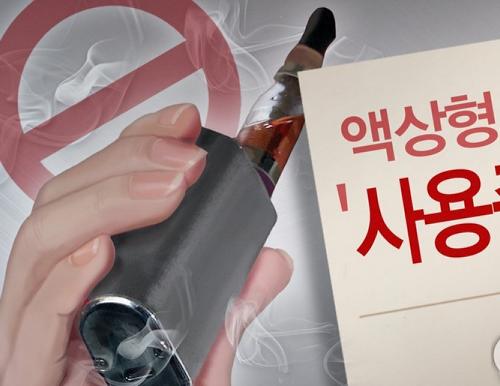
According to the "2018 National Health and Nutrition Survey," the smoking rate among South Koreans has significantly decreased to a historic low. Last year, the smoking rate for those over 19 years old was 22.4%, an increase of 0.1 percentage points compared to the previous year, but a significant decrease from 35.1% when the survey began in 1998. The smoking rate among men dropped from 66.3% in 1998 to 36.7%, nearly halving, while the rate for women increased slightly from 6.5% to 7.5%. Meanwhile, the usage rate of e-cigarettes reached 4.3%, the highest record since the survey began in 2013. Among men, 7.1% use e-cigarettes, while the proportion for women is 1.1%.
From the results of the "2019 Youth Health Survey," the smoking rate among teenagers was 6.7%, showing little change, but the rate of e-cigarette use has continued to increase over the past three years. The proportion of teenagers using vapor-type e-cigarettes remained at 2.2%-2.7% from 2016 to 2018, rising to 3.2% this year.
Additionally, over the past 20 years, there have been changes in chronic diseases such as hypertension and obesity among South Koreans, as well as changes in physical activity and dietary habits. The obesity rate among men over 19 years old increased from 25.1% in 1998 to 42.8% last year, while the rate for women slightly decreased from 26.2% to 25.5%. The proportion of men over 30 with hypertension increased slightly from 32.4% to 33.2%, while the rate for women decreased from 26.8% to 23.1%. With the increase in animal food intake, the average fat intake (the mean nutrient intake per person per day) rose from 40.1 grams in 1998 to 49.5 grams in 2018.
According to the "2018 National Health and Nutrition Survey," the smoking rate among South Koreans has significantly decreased to a historic low. Last year, the smoking rate for those over 19 years old was 22.4%, an increase of 0.1 percentage points compared to the previous year, but a significant decrease from 35.1% when the survey began in 1998. The smoking rate among men dropped from 66.3% in 1998 to 36.7%, nearly halving, while the rate for women increased slightly from 6.5% to 7.5%. Meanwhile, the usage rate of e-cigarettes reached 4.3%, the highest record since the survey began in 2013. Among men, 7.1% use e-cigarettes, while the proportion for women is 1.1%.
From the results of the "2019 Youth Health Survey," the smoking rate among teenagers was 6.7%, showing little change, but the rate of e-cigarette use has continued to increase over the past three years. The proportion of teenagers using vapor-type e-cigarettes remained at 2.2%-2.7% from 2016 to 2018, rising to 3.2% this year.
Additionally, over the past 20 years, there have been changes in chronic diseases such as hypertension and obesity among South Koreans, as well as changes in physical activity and dietary habits. The obesity rate among men over 19 years old increased from 25.1% in 1998 to 42.8% last year, while the rate for women slightly decreased from 26.2% to 25.5%. The proportion of men over 30 with hypertension increased slightly from 32.4% to 33.2%, while the rate for women decreased from 26.8% to 23.1%. With the increase in animal food intake, the average fat intake (the mean nutrient intake per person per day) rose from 40.1 grams in 1998 to 49.5 grams in 2018.
Related Articles

Vaping News
Ahead of a Nationwide Ban, Hundreds of Russian Retailers Voluntarily Stop Selling Vapes
2026-04-16

Vaping News
Illegal Vape Brands Try to Evade FDA Scrutiny by Posing as “Made in the USA”
2026-04-08

Vaping News
Jordan’s New Tobacco Control Rules: Waterpipe Tobacco Market Set for Major Changes
2026-03-17