UK Media: Will the Disposable Vaping Device Ban Lead to the Decline of Shenzhen Brands?
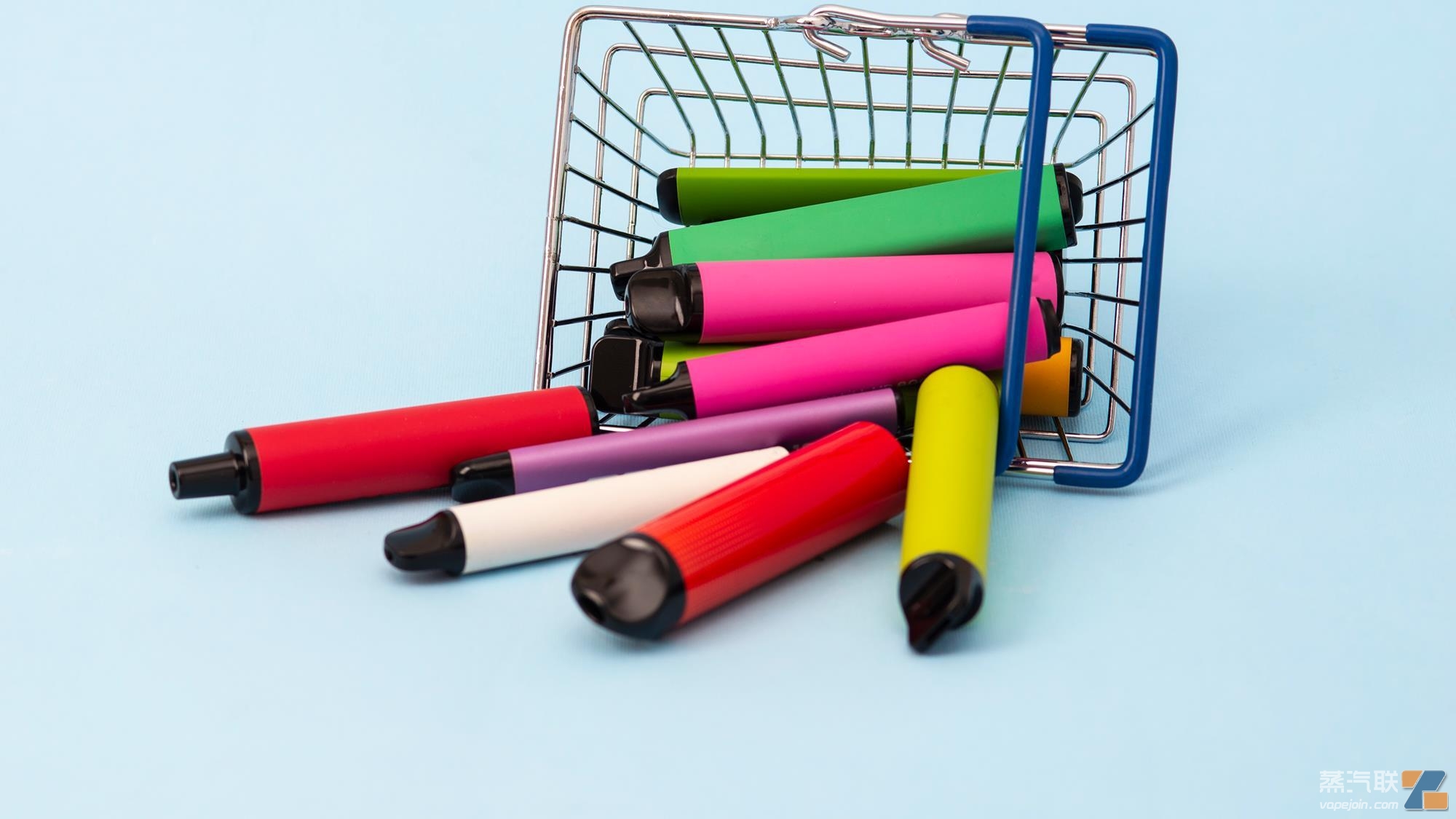 After the UK announced a ban on disposable e-cigarettes, the UK fast-moving consumer goods media The Grocer published an article titled "Will the Disposable E-Cigarette Ban Lead to the Decline of Shenzhen Brands?" exploring the impact of the ban on Chinese manufacturers.
Editor’s note: On January 29, the UK government announced a comprehensive ban on the sale of disposable e-cigarettes and imposed restrictions on the flavors of refillable (open-system) e-cigarettes, while requiring manufacturers to adopt more plain and less visually appealing packaging. In response to this ban, The Grocer published an article titled "Will the Disposable E-Cigarette Ban Lead to the Decline of Shenzhen Brands?" exploring the impact of the ban on Chinese manufacturers.
The following is the full translation. This article represents the views of the original media, and the two above are only for information dissemination for industry research.
[Translated by Two Above] A huge black cloud looms over Shenzhen, China. This city, known as the world capital of e-cigarettes, is home to about 1,000 factories responsible for designing and manufacturing approximately 90% of the world's e-cigarette devices. However, this morning, the city suffered a heavy blow as its flagship product—disposable e-cigarettes—will be banned from sale in one of its largest export markets, the UK. A source from a mainstream Chinese disposable brand told The Grocer, "This could really lead to our demise."
This ban is a response to a government consultation on youth vaping launched last October. The UK Vaping Industry Association (UKVIA) believes the likelihood of a complete ban is 50/50.
"We are certainly concerned," Jacques Xiang Li, global communications director for ElfBar and Lost Mary brands, told The Grocer at the end of last year. "But we are actually doing something."
These measures include introducing a recycling program for used devices, heavily discussing penalties for retailers selling products to children, and modifying flavor names to be more acceptable and monotonous. Design artworks are being created to meet the likely requirements for plain packaging.
There are signs that these actions may be effective in the new environment. Just last November, Adam Afriyie, vice-chair of the All-Party Parliamentary Group on Vaping, told the industry at the UKVIA forum in London, "We are all in this together." There are expectations that the UK can use a set of "reasonable recommendations" to demonstrate to the world that it has "resolved, or at least can resolve the issue, and does not need to take further significant action." (Reportedly, Afriyie's wife is a shareholder in Elite Growth, which sells Moodbar disposable e-cigarettes through its retail division. The APPG for vaping has since been dissolved.)
Chinese major brands have reason to feel reassured. After all, since the UK government has allowed them to "get away with it" for so long, why would it suddenly become strict now?
The industry's non-compliance issues were exposed in February when it was found that the liquid nicotine content of ElfBar disposable e-cigarettes sold in major supermarkets exceeded the legal limit by 50%. While these actions led to a "voluntary withdrawal," there were no threats of fines or bans, and the products were back on shelves weeks later. This situation raised concerns about industry regulation, with some believing there are not enough punitive measures.
In March, laboratory tests were conducted on other bestselling disposable devices (including SKE Crystal, Smok Mbar, IVG, Found Mary, Klik Klak, Solo, and Solo+). The results showed that the nicotine liquid volume of these devices far exceeded the legal limit of 2 milliliters. However, surprisingly, the relevant authorities did not take any punitive measures against these brands for gaining an unfair advantage in customer loyalty.
E-cigarette brands have also shown groundbreaking progress in marketing. In May of this year, ElfBar was penalized by the ASA for violating advertising regulations due to TikTok posts. ElfBar added that they would cease any TikTok marketing activities in the UK due to an initial complaint filed by Imperial Brands. However, surprisingly, in the same week, another Shenzhen brand, HQD, was also found to have violations. Although some other brands also caught the ASA's attention, they were not fined or sanctioned.
Practitioners in Shenzhen seem to generally believe: "If others are doing it and no one is stopping them, then why shouldn't we?" Now, as Chinese brands have experienced, the seemingly toothless tiger of the UK has finally shown its teeth.
For many, even within the industry, the largest disposable brands have long avoided questionable behavior. Executives in Shenzhen's e-cigarette sector may have long anticipated this day. They have indeed stocked up on hay while the sun was shining: in 2023, the value and sales of this category doubled, exceeding 15.5 billion units, a result following the doubling of the category's value in 2022.
Whether the giants of disposable products can successfully pivot to types of devices that are allowed for sale and revitalize their business post-ban remains to be seen. The real prospect is whether they can continue to shine rather than be quickly discarded into the gutter.