UK Parliamentary Backbench Debate: Is the WHO Really Helping People Quit Smoking?
"Without tax incentives (price advantages) and without flavor differences compared to cigarettes, what else can motivate people to quit smoking?"
On January 18, the UK Parliament held a backbench debate (allowing backbench MPs to raise local or national issues and receive responses from relevant government ministers) focusing on the regulation of e-cigarettes, the World Health Organization (WHO), and the differing stances of the organization and the UK government towards e-cigarettes. The debate was co-initiated by MPs Andrew Lewer, Mr. Virendra Sharma, and Martyn Day to challenge the WHO's negative stance on e-cigarette regulation.
"Do not view this issue naively"
The previously postponed 10th Conference of the Parties to the WHO Framework Convention on Tobacco Control (WHO FCTC) is officially scheduled to be held in Panama from February 5 to 10. The UK will send a delegation to participate in this conference, where discussions on novel tobacco issues will be one of the focal points.
For a long time, the WHO has been committed to controlling the use of tobacco and nicotine products, especially e-cigarettes. According to a report on December 14, 2023, the WHO emphasized the urgent need for action to control e-cigarettes to protect children and non-smokers and to minimize health risks to the public. The WHO pointed out that the nicotine contained in e-cigarettes is highly addictive and harmful to health.
MP Andrew Lewer rebutted this during the meeting. He cited a study by Cancer Research UK stating, "It is not nicotine, but the chemicals produced during the combustion of tobacco that cause lung cancer."
Based on such theoretical findings, throughout the debate, MP Lewer regarded vaping e-cigarettes as a "tobacco harm reduction product," which has always been the general direction of the UK government's smoking control policy. He insisted on two central arguments. One is that new tobacco products, including vaping e-cigarettes, should not be taxed at rates similar to traditional cigarettes; secondly, flavored vaping e-cigarettes should not be banned. "Without tax incentives (price advantages) and without flavor differences compared to cigarettes, what else can motivate people to quit smoking?"
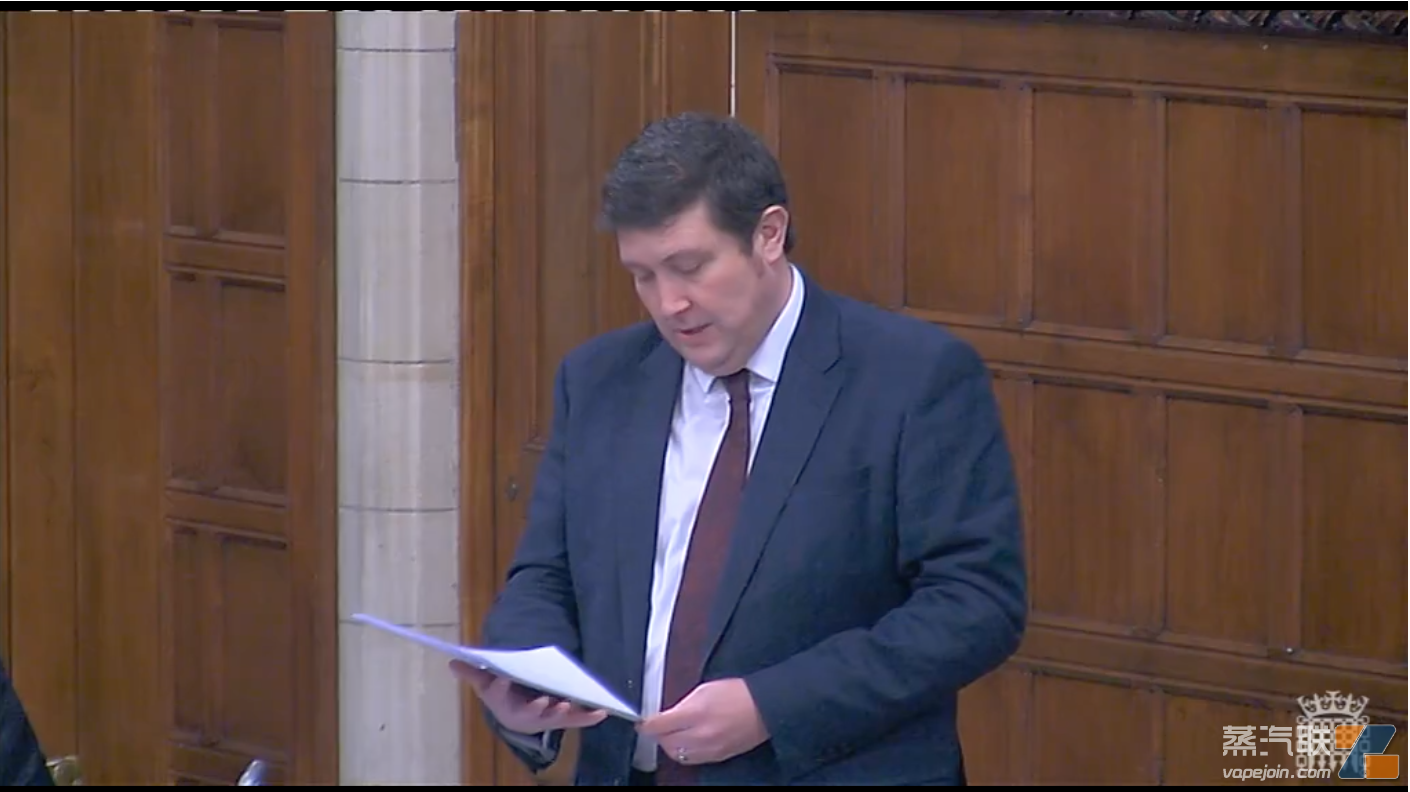 MP Andrew Lewer speaking during the backbench debate on January 18|Image source: 2FIRSTS
In addition to urging the UK delegation to uphold the national stance on the role of e-cigarettes in smoking cessation at the international conference, Andrew also questioned the entire WHO organization during the debate and raised the issue of whether to review the scale of the UK's contributions to the organization. Currently, the UK is one of the largest funders of the WHO, and it is necessary to ensure that "taxpayers' money is well utilized".
Later, co-initiator of the debate, Virendra Sharma, stated, "COP10 and the WHO should not make it harder for those who want to quit smoking with e-cigarettes." Therefore, the policies of over-regulating e-cigarettes, heated tobacco, and oral nicotine pouches are worth discussing.
He also mentioned that while the UK is globally leading in nicotine harm reduction policies, it can still learn from other countries that have successfully controlled smoking using novel nicotine products. He cited Japan and Sweden as examples, where heated tobacco and oral nicotine have significantly reduced smoking rates. The UK still has better ways to compromise to achieve a better outcome.
Labour politician and Bristol South MP Karin Marguerite Smyth also participated in the debate. After expressing anticipation for the UK delegation's participation in the conference and conveying the country's voice, she stated that many MPs have received inquiries from constituents regarding e-cigarettes and smoking: because this will be a central topic of COP10. Constituents are concerned that this conference will affect the future use of e-cigarettes as smoking cessation products for UK citizens. She asked the Public Health Minister whether there are plans to include other nicotine products in the regulatory process in the upcoming government bill.
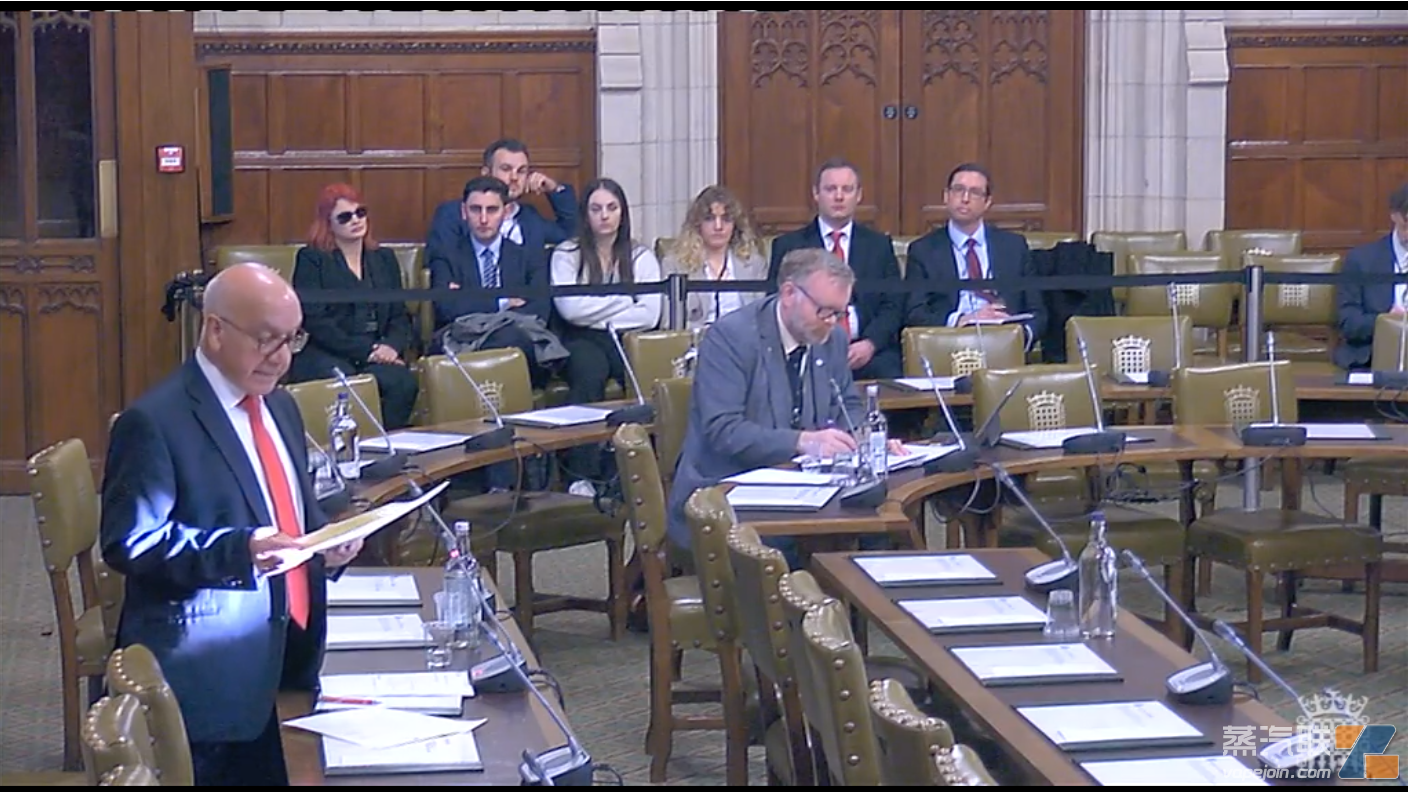 Virendra Sharma speaking during the backbench debate on January 18|Image source: 2FIRSTS
The response to the inquiries during this debate was provided by Dame Andrea Jacqueline Leadsom, who has served as the Parliamentary Under-Secretary of State for Public Health, Social Care and Primary Care since November 2023. She held opposing views to some of the points raised by the aforementioned MPs.
Using her own experience with teenage smoking and the difficulties of quitting, she stated that saying nicotine is completely harmless "is wrong" and reiterated the addictive nature of nicotine. She also questioned some of the points made by the aforementioned MPs. She stated, cherry cola, bubblegum flavors are not designed for adults. These flavors and packaging resembling small cola bottles or bubblegum are clearly "targeted at children." E-cigarettes displayed next to candy stalls, priced cheaply enough to be bought with pocket money—these realities are concerning. Therefore, she urged all MPs not to "view this issue naively." And stated that only strong enforcement measures can ensure that e-cigarettes do not get sold to minors.
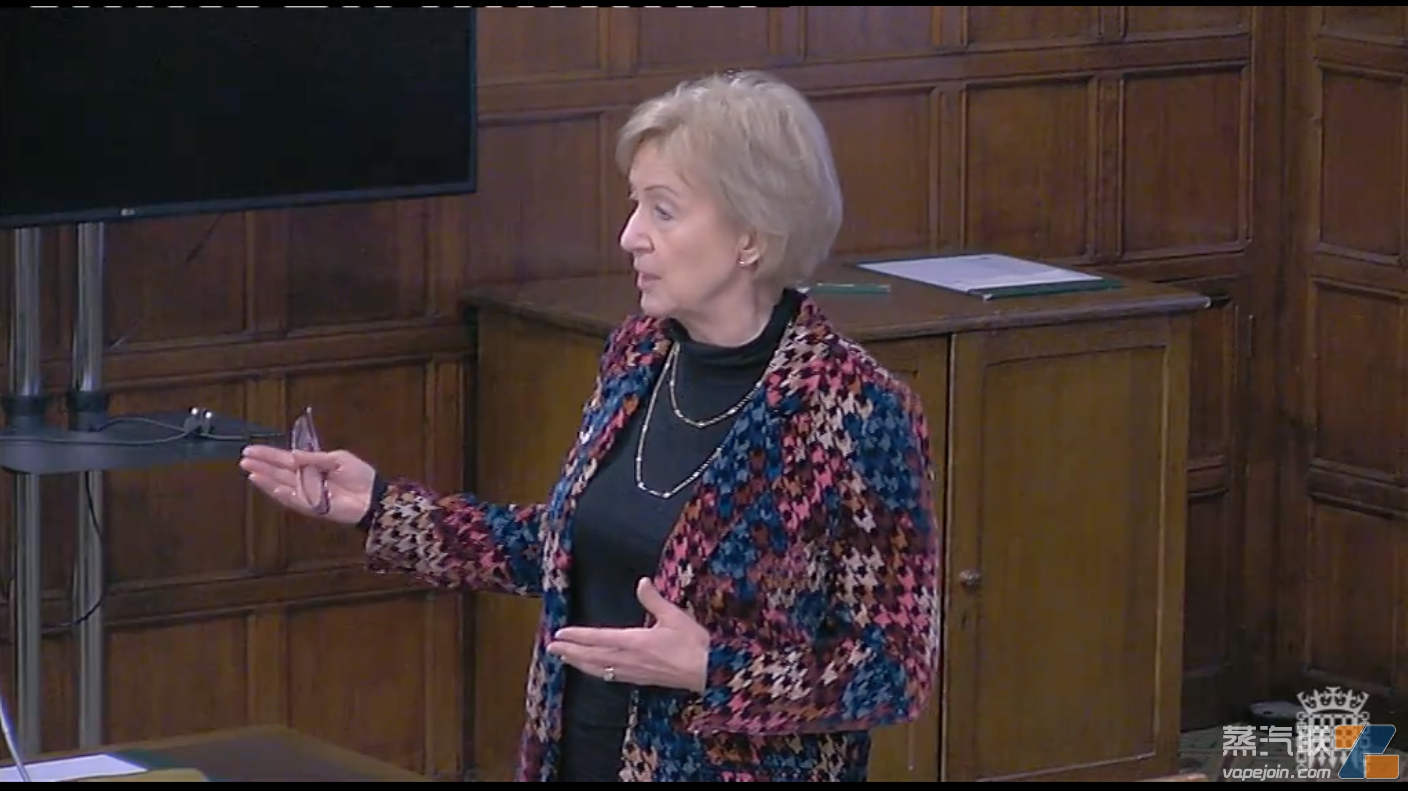 Dame Andrea Jacqueline Leadsom speaking during the backbench debate on January 18|Image source: 2FIRSTS
Regarding the upcoming COP10, she described the UK as indeed an "outlier" on the issue of e-cigarettes, and thus will clearly present the UK's position at the conference, that e-cigarettes are a very important tool for helping adults quit smoking. "But regarding whether to change the current level of contributions to the WHO, the UK government tends to maintain the existing level." She concluded by stating that she would provide a statement to Parliament after COP10 to report on the situation at the conference.
E-cigarettes in the Backbench Debate
This is not the first time tobacco (or novel tobacco) has appeared in the UK's backbench debates.
According to incomplete statistics, in June 2020, MPs from the coalition government initiated a debate against banning the import of liquid nicotine for e-cigarettes; on November 3, 2022, the House of Commons also debated the "2030 Smoking Ban Policy Independent Review"; and earlier this week, there was another debate on e-cigarettes. On January 16, a debate hosted by Conservative MP Peter Gibson discussed the issues of illegal entry of black/grey market e-cigarettes and minors illegally using e-cigarettes.
The UK has always had a significantly different stance on novel tobacco, especially vaping e-cigarettes, compared to the WHO's views. The UK government has always supported e-cigarettes as a reduced harm alternative. According to the UK government's perspective, e-cigarettes can help smokers quit and their harm is far lower than traditional tobacco products.
The Policy Exchange report shows that smoking has a huge impact on the economy, and reducing smoking rates can not only improve health outcomes, alleviate the burden on the national health service, but also promote productivity and economic growth.
2FIRSTS will continue to pay attention to the 10th Conference of the Parties to the WHO Framework Convention on Tobacco Control (COP10) to be held in Panama, as well as the UK’s smoking control policies and regulatory trends regarding traditional and novel tobacco.