
Conglomerates Enter, Disposables Expand... Can South Korea's Vaping Market Rise in 2024?
 In 2023, ELFBAR, VUSE and other well-known one-timee-cigarette brandsIt has entered the Korean market one after another. At the same time, South Korean chaebol are also actively deployinge-cigarettesBusiness. This series of trends may break South Koreae-cigarette marketthe existing pattern. Under these changes, will the Korean e-cigarette market rise in 2024?
[Two Supremes Original] South Korea's BAT Rosmans announced on January 15 that it will transfer its subsidiarye-cigarette productsThe "Vuse Go 800" sales network has expanded to the country, covering 30,000 convenience stores and tobacco stores in Seoul and other areas.
VUSE first entered the Korean e-cigarette market in mid-July 2023. Half a year later, the brand once again promoted the expansion of its sales network to cover the whole country.
VUSE's actions are not isolated. Since 2023, many China disposable e-cigarette brands have entered the Korean market. Among them, ELFBAR entered the market in early February and signed an exclusive distribution agreement with well-known South Korean distributor Setopia. At the same time, well-known brands such as LOST Mary and ELUX have also entered the Korean market one after another, breaking the market competition pattern originally dominated by open e-cigarettes.
 VUSE's promotional poster in South Korea| Picture source:
BAT Rosmans
VUSE's promotional poster in South Korea| Picture source:
BAT Rosmans
The influx of these well-known disposable brands into the Korean market has attracted great attention from people in the e-cigarette industry. Industry insiders have speculated whether this marks the beginning of the rise of the disposable e-cigarette market in South Korea.
In this context, January 15, two supremacy and multi-digit Koreae-cigarette industryPeople had in-depth exchanges to understand the current situation of the Korean e-cigarette market.
The one-time market is gradually emerging but there is no "first"
According to public data from South Korea Customs, in 2023, South Korea imported 200 million US dollars of electronic cigarettes, of which electronic cigarette equipment (heating non-burningEquipment and open equipment) accounted for more than 77%, and oil-containing products (enclosed e-cigarettes, including disposable and replaceable types, but the latter's performance in the Korean market has been flat) accounted for 23%, accounting for approximately US$57.8 million, and basically maintained a month-on-month increase. Among them, in December, oil-containing products increased by 47% month-on-month to US$7.2 million. This data trend is consistent with the single-use e-cigarette brands mentioned earlier entering the Korean market.
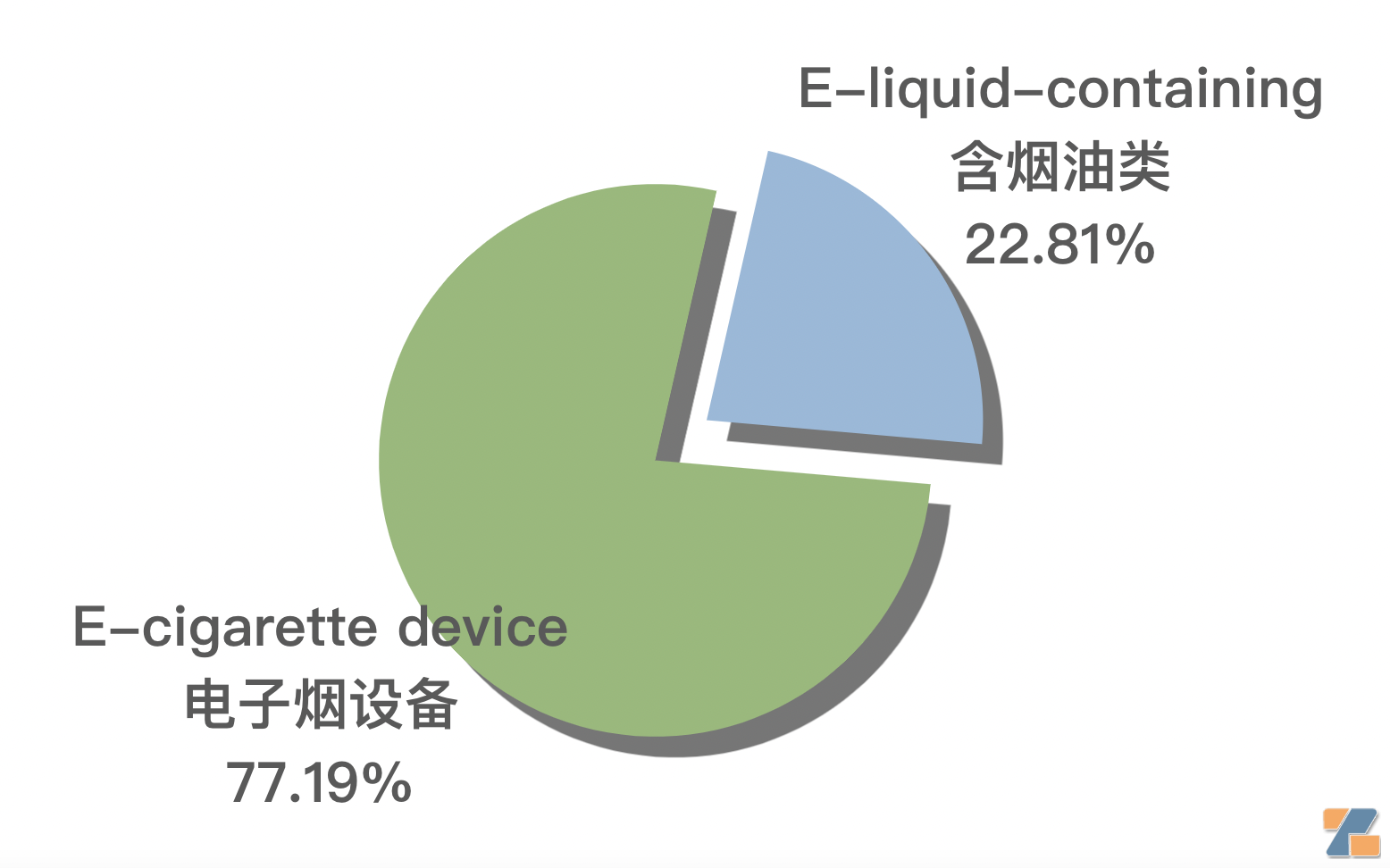
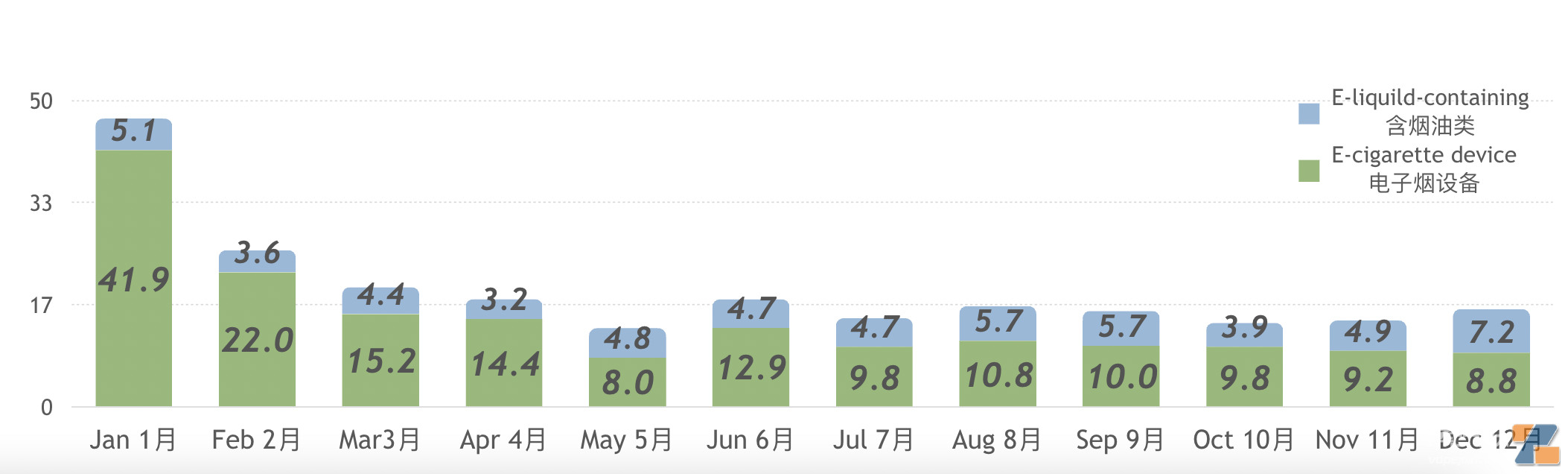 South Korea's e-cigarette imports| Data source: Korea Customs General Administration (Map: Two things first)
However, this data does not fully reflect the actual size of the Korean e-cigarette market. A professional who has worked in the Korean e-cigarette industry for many years revealed that due to the extremely strict testing requirements of Korean customs for nicotine products, most disposable e-cigarettes entering South Korea are actually semi-finished products and require follow-up processing such as oiling in South Korea. steps. As a result, South Korea's actual annual share of the one-time market far exceeds the US$57.8 million shown in import data.
Under a different trend from mainstream markets such as Europe and the United States, South Korea's e-cigarette market is due to high levels.smoke oilDue to tax and other reasons, the leading product is open e-cigarettes with higher cost performance, and at the same time, a complete tobacco oil industry has been born. In the Korean market, there are many types of tobacco oil, and many specialty stores used to focus only on selling tobacco oil products and did not engage in equipment business, which is relatively rare in other markets such as Europe and the United States.
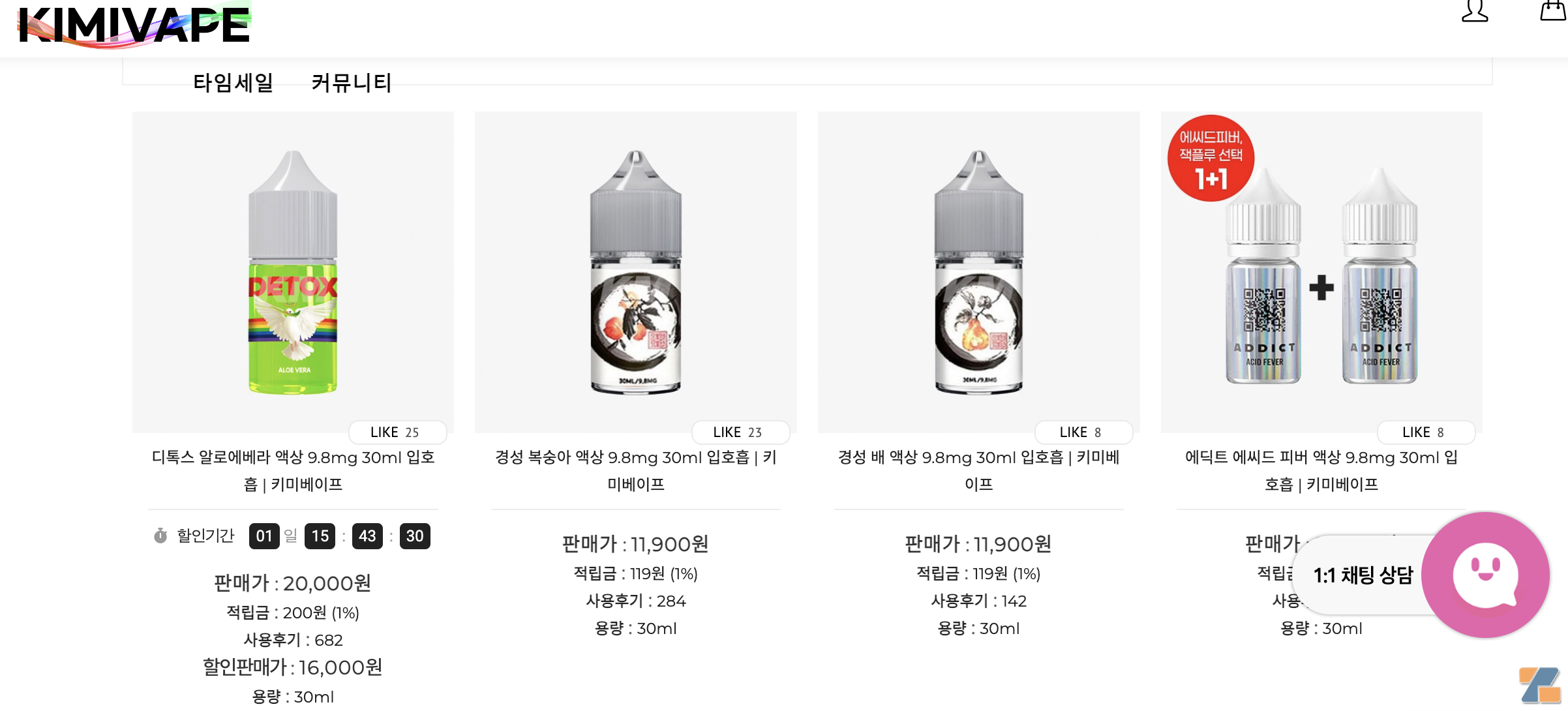 South Korea Online Tobacco Oil Specialty Store| Source: Kimivape
However, recently, many specialty stores have begun to sell equipment together with tobacco oil, and some stores have even begun to launch disposable e-cigarette products. Industry insiders said that two years ago, due to the high profits of Korean tobacco oil, retail companies only needed to focus on the tobacco oil business to obtain considerable profits. However, due to the influx of many tobacco companies in the past two years, the profit level of tobacco companies has been reduced, which has greatly squeezed the living space of the original tobacco companies. At the same time, the unit price and profit of open e-cigarettes have also dropped. Faced with fierce market competition, these companies have to actively expand their product lines and introduce closed e-cigarette business (mainly one-off) to adapt to the diversified needs of the market.# p#pagination title #e#
The above-mentioned industry sources pointed out that the market is currently in the "Spring and Autumn Period and Warring States" period, that is, the initial development stage, and has not yet formed an obvious "market first" pattern. Among the many brands entering the Korean market in 2023, ELFBAR performed the most well; relatively speaking, VUSE's performance is relatively flat, while MONS, which has already entered the market (the brand is suspected of beingyueshiAcquisitions) have maintained good performance.
Overall, although South Korea's disposable e-cigarette market has improved, it has not experienced a large-scale outbreak. An industry person with a deep understanding of the Korean e-cigarette market explained this. He pointed out that the main reason for this phenomenon is that most e-cigarette products arrive in South Korea in semi-finished products and are then assembled and filled locally. Labor costs in South Korea are quite expensive, resulting in a significant reduction in retail profits.
Take a 10-ml product as an example, which includes labor costs, tobacco oil costs, equipment, packaging, circulation and other costs. In the past, e-cigarettes for US$1 might sell for US$5. Importers and wholesalers only had to pay the cost of circulation, while retail stores had a profit margin of 100%, and middlemen could also make huge profits.
However, the situation has changed now. Take the e-cigarette with a price of 13800 won (about 10 US dollars) as an example. If its export price is US$3, the cost of assembly in South Korea is US$2, and plus a circulation profit of US$2 -3, the retail store will only get about US$3 profit. This situation has led to retail stores being less interested in the sale of disposable e-cigarettes, thus limiting the large-scale development of the disposable market.
Excessive regulation, limited market development
In 2022, South Korea's population will be 51.63 million. According to statistics, in 2020, the proportion of smokers in South Korea to the total population was approximately 19.2%. The industry generally believes that the Korean e-cigarette market has great potential.
A person engaged in brand agency in the Korean e-cigarette market revealed that Korean consumers have a very high acceptance of e-cigarette products, and the customer unit price of Korean e-cigarettes is very high. Judging from these conditions, the Korean market should be regarded as a good market.
However, there is a big gap between the performance of the Korean market and the expectations of industry insiders. The actual situation of the market is sluggish, and the above-mentioned people described it as "tasteless to eat and a pity to abandon." One of the reasons for this situation is the over-regulation of the e-cigarette industry in the Korean market.
Since South Korea implements a unique tobacco oil tax standard, which only imposes high taxes on natural nicotine and does not impose taxes on synthetic nicotine, most South Korean tobacco oils use synthetic nicotine to avoid high taxes. At the same time, there are also cases where natural nicotine is used to pass off as synthetic nicotine.
In response, South Korean Customs has been promoting technological innovation to improve the ability to identify natural nicotine disguised as synthetic nicotine.
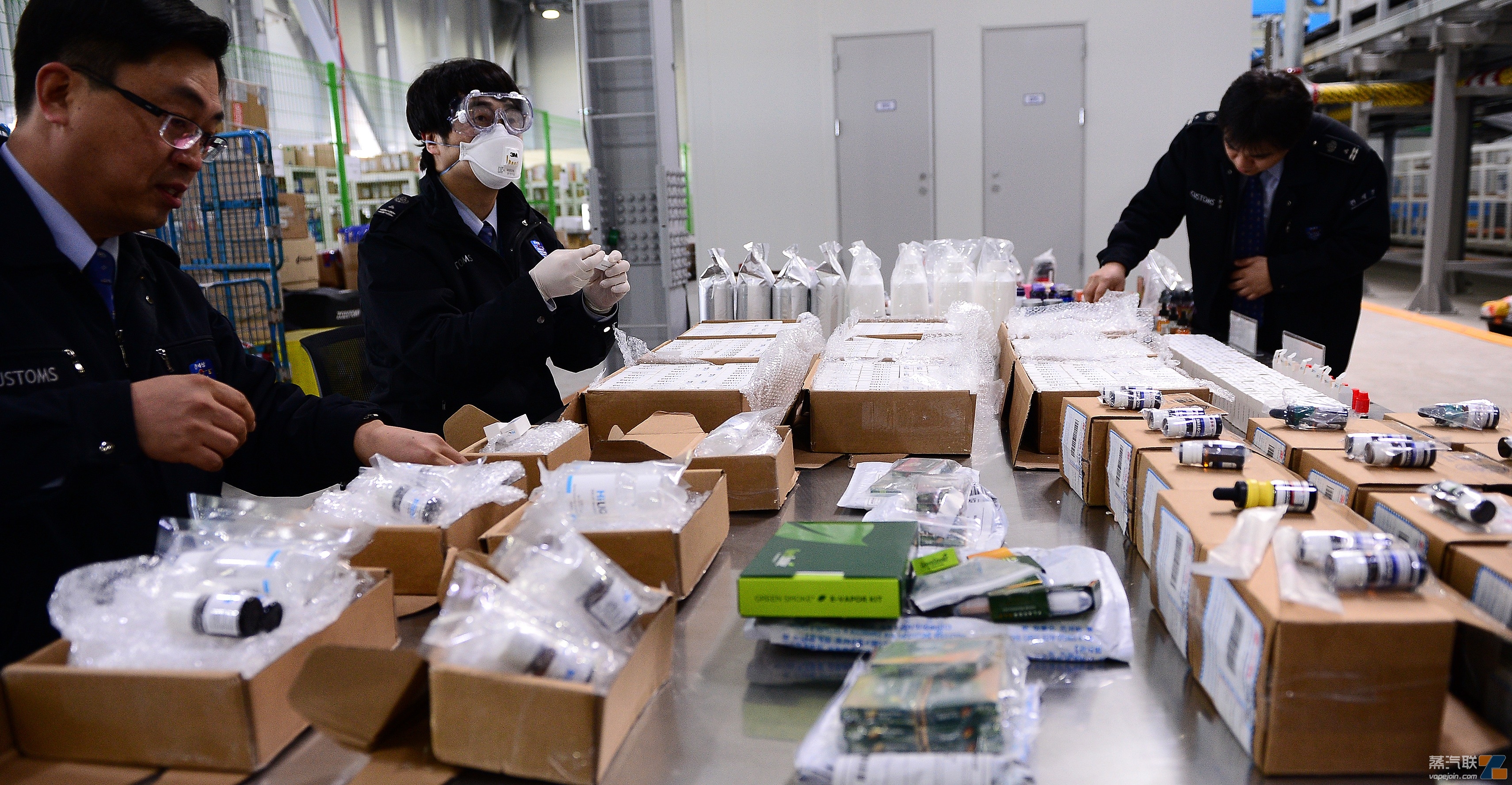 South Korean regulators are testing tobacco oil| Source: NewstoMATo
Despite this, there are still a large number of "misjudgments". The above-mentioned person revealed that although most China manufacturers use synthetic nicotine when exporting products carrying tobacco oil to South Korea, due to technical restrictions on nicotine identification by customs,"misjudgments" often occur. He cited his past experience as an example that he had a batch of synthetic nicotine products that were mistakenly identified as natural nicotine during customs inspections, resulting in the goods being detained for up to three months.
It's not just strict customs enforcement. The above-mentioned person pointed out that there are five major departments in South Korea (including Customs, Police Department, Food and Drug Administration, National Complaint Center, and Taxation Bureau) that have "unfriendly" attitudes towards e-cigarettes. Specifically, from customs clearance to retail, these products must undergo strict inspections, and five departments take turns to enforce the law.e-cigarette enterprisesThey have to undergo inspections by at least one department almost every month. This endless law enforcement environment has brought huge business challenges to e-cigarette companies.
On October 26, 2023, according to South Korean media reports, the South Korean government seized 39 companies suspected of evading tobacco oil taxes, involving tax evasion of up to 175.5 billion won (approximately 130 million US dollars). This exposure shocked the entire Korean e-cigarette industry. According to industry insiders, this amount may even exceed the current size of the entire Korean e-cigarette market.# p #pagination title #e #
However, the South Korean government seems to have realized the shortcomings of this tax method and may impose a tax on synthetic nicotine in 2024, and the relevant bill is currently under discussion.
Advantages and disadvantages of plutocrats entering the market
The main sales channels in the Korean e-cigarette market can be divided into three categories: convenience stores, professional VAPE SHOP and emerging "outside the circle" channels, namely clothing stores.
Industry insiders revealed that due to restrictions on the growth of South Korea's clothing and entertainment industries, some large companies dominated by chaebol have gradually entered the e-cigarette business. However, these large companies are currently in the stage of developing new products and negotiating with the government, and have not yet formed large-scale operations.
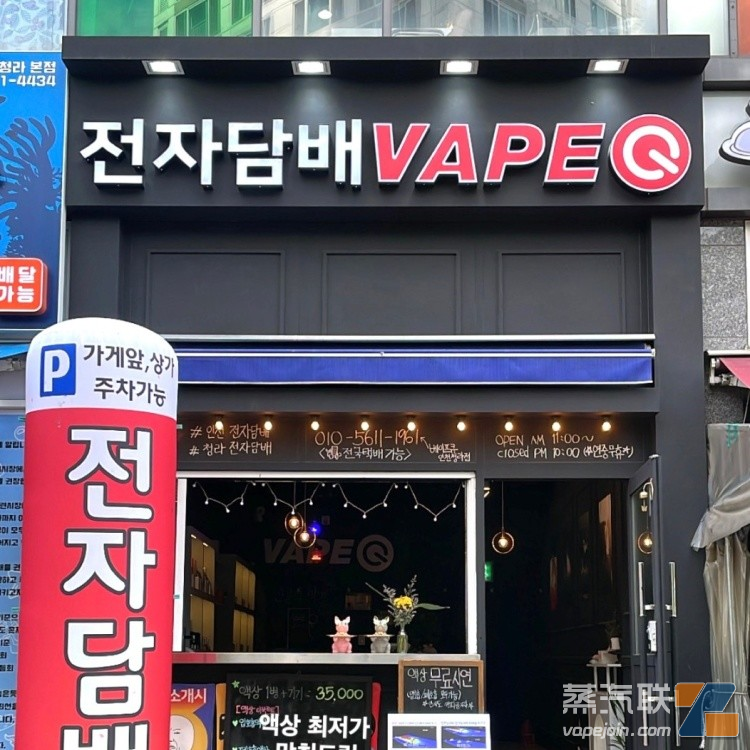 Korea Electronic Cigarette Convenience Store| Source: Google
The entry of chaebol will break the inherent pattern of the Korean market. Practitioners generally believe that South Korean chaebol's entry into the e-cigarette industry has both advantages and disadvantages. The advantage is that because they have more advantages in negotiations with the government, they may prompt the government to cut taxes and relax supervision of the e-cigarette industry, thereby better promoting the vigorous development of the industry. However, the intervention of chaebol may also lead to the closure of small businesses and cause industries to be highly concentrated.
Looking to the future Korean market, a professional who has been engaged in open e-cigarettes for many years said that the Korean market holds huge potential and is full of confidence in the future development of e-cigarettes. At the same time, the involvement of well-known disposable e-cigarette brands and chaebol will undoubtedly inject new vitality into this currently slightly dull market and break the current market pattern.
Related reading: [1] Vuse Go 800 will be fully distributed in South Korea and will cover 30,000 convenience stores and tobacco stores.[2] In November, China exported approximately US$76.05 million to South Korea's e-cigarettes, a month-on-month increase of 9.79%[3] LOST MARY signed an exclusive agency agreement with South Korea Donghe Industries to release the new product BM3500.[4] South Korea's imports of synthetic nicotine oil will reach 91 tons in the first half of 2023, and it is expected to reach 200 tons throughout the year.[5] VUSE Go 800 is selling well in Seoul, British American Tobacco plans to expand the Korean sales market
This article is an original article of Shenzhen Liangzizhang Technology Co., Ltd., and its copyright and license rights belong to the company. No unit or individual may copy, reprint or use other methods to infringe the company's copyright without authorization. The company will retain the right to pursue its legal responsibilities.
 1 Share links
1
1 Share links
1 

Related Articles

Ahead of a Nationwide Ban, Hundreds of Russian Retailers Voluntarily Stop Selling Vapes

Illegal Vape Brands Try to Evade FDA Scrutiny by Posing as “Made in the USA”
