Campbell County School District in the US to pilot new vape detectors to curb student smoking
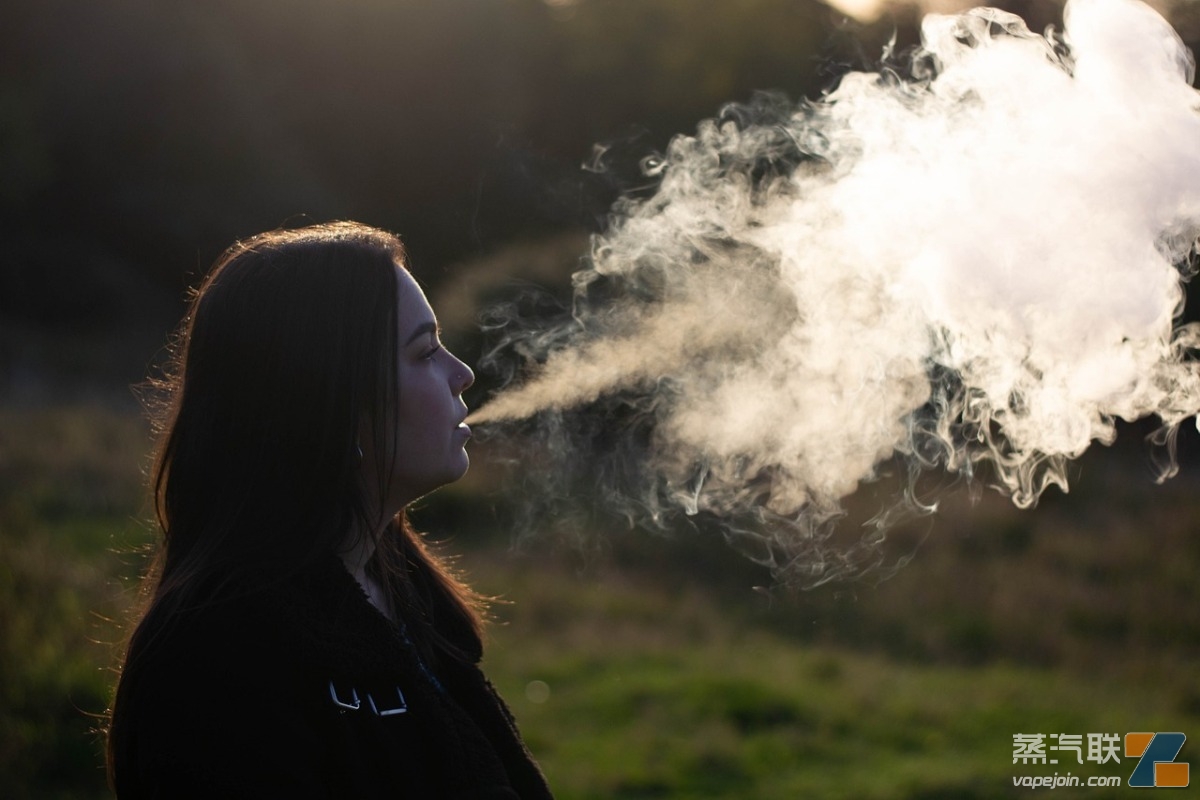 Officials in Campbell County School District, Wyoming, will soon pilot a new vape detector at two different schools to curb the ongoing vaping problem across the district.
According to a report from Wyoming News, officials in Campbell County School District, Wyoming, will soon pilot a new vape detector at two different schools to address the persistent vaping issue in the district.
The Halo Smart Sensor can detect vape aerosol and THC smoke. It can also identify keywords and even assess aggressive behavior based on noise or decibel levels in the area. Because students may face expulsion for smoking, officials hope these sensors will discourage students from engaging in such activity and reduce the amount of disciplinary action needed across the district.
David Bartlett, assistant superintendent of instructional support for the Campbell County School District, said, “Knowing that expulsion is a possibility, we are trying to find ways to stop this activity from happening on campus.”
After reviewing feedback from other school districts in Wyoming and other states that have used the device, officials chose the Halo sensor. Bartlett said those districts reported “great success” with the sensor, which looks similar to a smoke detector, and that it appeared to reduce the number of students using vape products at school.
In addition to detecting vape aerosol and THC smoke, the sensor can also issue an audio alert telling students that vaping has been detected and that administrators are on the way, Bartlett said. He emphasized that the district is piloting the device and will evaluate its effectiveness before expanding its use.
Bartlett said the district plans to begin installing the sensors at one high school during the Christmas break, adding that parents and students will be notified before the sensors go live. The programming is quite complex so that administrators will know exactly where to go when a sensor is triggered.
If officials see positive results at the high school level, they will then expand the sensors to middle schools.
Bartlett said the cost of installation, equipment, and training for the pilot at the high school and middle school is about $6,000 to $7,000. The funding comes from Title IV grants, which support various areas of education, including safe and healthy students.