British American Tobacco Cuts Full-Year Revenue Outlook; Vuse Market Share Grows by 100 Basis Points
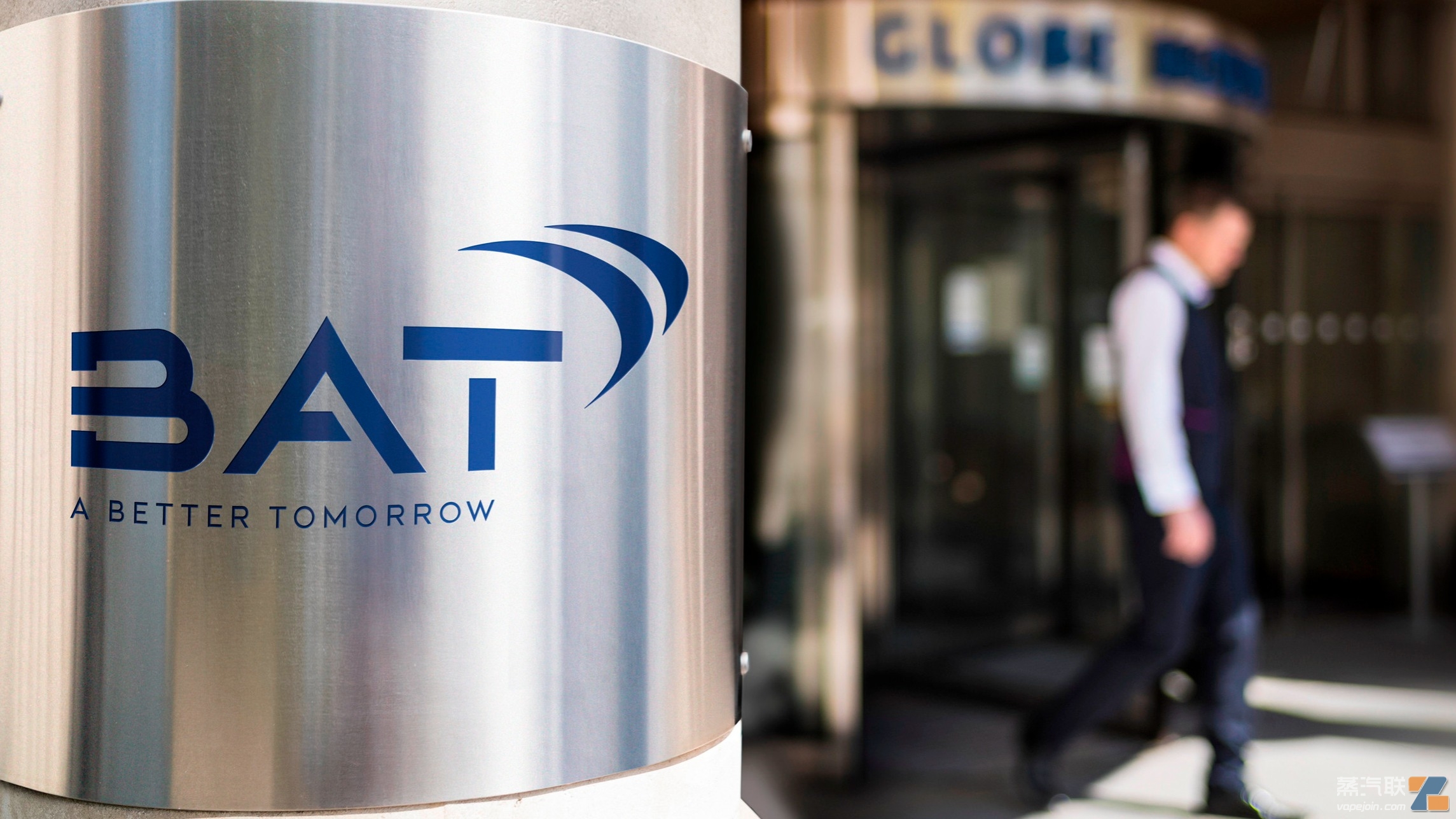 British American Tobacco (BAT) shares fell more than 8% in the latest trading session to £22.66, and full-year revenue is now expected to come in at the lower end of the forecast range of 3% to 5%.
According to Sharesmagazine, British American Tobacco (BAT) shares fell more than 8% in the latest trading session to £22.66, and full-year revenue is now expected to come in at the lower end of the forecast range of 3% to 5%. The company did not change its full-year 2023 outlook or earnings per share guidance, and attributed the weaker performance to the impact of U.S. macroeconomic pressure on its cigarette business.
Chris Beckett, head of equity research at Quilter Cheviot, said: “BAT’s latest financial report was broadly in line with expectations, but it is not the catalyst needed to begin reversing the negative sentiment toward the company and its extremely low valuation.”
“We still believe this valuation is too low, especially compared with its closest competitor, Philip Morris,” Beckett said.
BAT said it remains committed to “building a smokeless world,” with 50% of its revenue expected to come from non-combustible products by 2035.
So far this year, the company’s heated tobacco products have delivered mixed results. Glo’s performance has been disappointing due to slower category growth in Japan and Italy, increased multi-use consumption, and intensifying competition.
Glo Hyper Air performed in line with expectations. In October, the global tobacco company launched veo, a range of non-tobacco consumer products, across 10 European markets.
Vuse’s market share increased by 100 basis points to 36.8% in key markets. The tobacco company said these products “delivered strong revenue growth, driven by an increase in the number of consumers for Vuse Go, which is now available in 59 markets.”
AJ Bell investment director Russ Mould said:
“BAT is going through a major period of transformation, with the goal of generating half of its revenue from non-combustible products by 2035, while also dealing with difficult market conditions in the United States.”