How did heated tobacco become so popular in South Korea amid the rise of vaping?
South Koreaheating non-burningthe cartridgeSales continue to grow rapidly
According to South Korean media reports, sales of heated non-combustible smoke bombs in South Korea from 2017 to 2022 increased by 6.8 timesportant; font-weight: bold;"> exceeded the 600 million box mark。
In contrast to the strong growth of heated non-burning cigarettes, sales of traditional cigarettes in South Korea increased during the same period. Double-digit decline, from 3.445 billion boxes in 2017 to 3.091 billion boxes in 2021, within five years Reduction by 10.3%。
Surveys show that many smokers believe heat-not-burn products are less harmful to health than traditional cigarettes. A November 2022 survey of 8000 South Korean adults found that 26.6 percent of users of heat-not-burn products considered them "relatively harmless." In addition, 18.2% of respondents believe that heat-not-burn products have "less impact on health" and 14.2% believe that such products "help quit smoking".
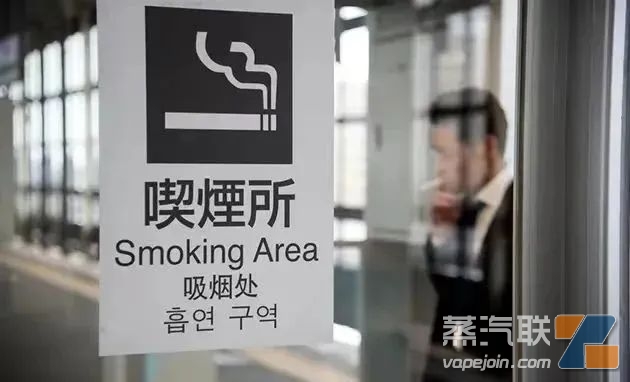
Heating without burning occupies the market for new tobacco products,e-cigarettessales plummeted
Currently, the new Korean tobacco market is almost occupied by heated and non-combustible products. Statistics from South Korean government departments show that the proportion of heated non-burning smoke Lil from South Korean local brand KT G accounts for approximately 100%.48% market share, while PMI and BAT from abroad also occupy South Korea with their IQOS and Glo series respectively42% and 10% market share.
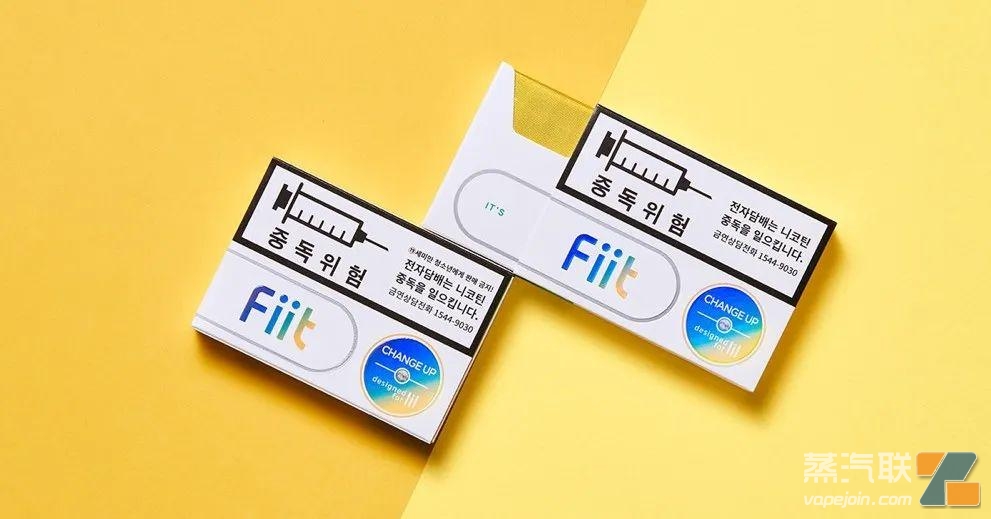
In sharp contrast to heating without burning, Koreane-cigarette marketAlmost extinct。The reason was that in 2019, the South Korean government issued emergency instructions to stop the sale of atomized e-cigarettes in response to a serious lung disease epidemic in the United States. Since then, South Korean convenience store chains have completely stopped selling such products.
In 2020, one year after the ban was implemented, sales of liquid e-cigarettes in South Korea plunged 97.6% year-on-year. Industry analysis believes that the Korean e-cigarette market has nearly disappeared.& nbsp;
The effectiveness of smoking cessation policies needs to be improved, and the smoking rate among men has declined
According to South Korean media reports on October 8, the South Korean government has invested approximately 263.1 billion won (approximately 1.423 billion yuan) in the past five years to support smokers 'smoking cessation treatment. However, the completion rate of participating in smoking cessation projects is less than 30%, and the actual effect is limited.& nbsp;
Data shows that the smoking rate among Korean men has increased from 38.1% in the past five years. dropped to 31.3%, the smoking rate among women increased slightly from 6% to 6.9%. At the same time, the usage rate of heated non-burning products by Korean adults has increased from 2.7% in 2017. Increase to 20213.2%; while adult cigarette use increased from 6.2% in 2019 decline to 20214.6%。
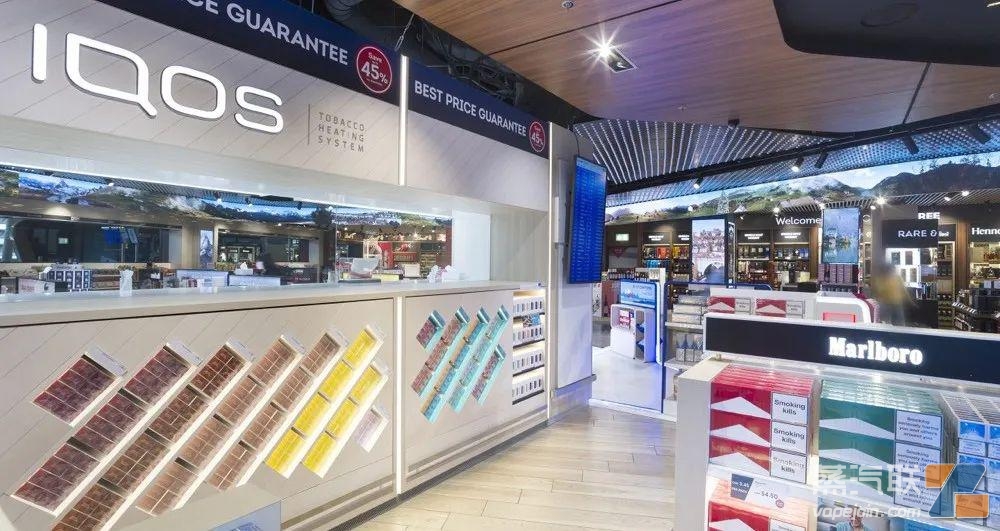
Global tobacco giant's sales growth of heated and non-combustible products is strong
In the first half of this year, the world's major tobacco companies maintained a strong growth trend in their heated and non-combustible products. Shipments of Philip Morris International's heating non-combustible product IQOS increased by 18.5% year-on-year; British American Tobacco's heating non-combustible product revenue increased by more than 10% year-on-year; Japan Tobacco Group has also increased investment and marketing efforts in heating non-combustible products; Altria Group also announced its entry into this field this year.
Heated non-combustible products are ushering in a period of rapid growth due to their lower hazard advantage compared to tobacco cigarettes. Industry analysis believes that this type of product is expected to further tap the upgrading consumption potential of smokers, or will reshape the global tobacco market.