MC Ceramic Coil Mass Production Process and Applications in Disposable Products
Everyone has probably seen our earlier article, " The Ordovician | Femtosecond Laser Engraving and Hydrogel Branch Connection Technology for Preparing Porous Ceramic Atomizers ". This issue will focus on the MC mass production process and applications in disposable products (as shown in Figure 1).
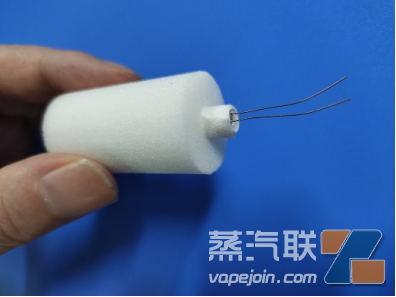
Figure 1 MC Assembly
The mesh is specially designed and treated, selecting a ceramic formula with a high oil conduction rate. It undergoes a three-stage inspection process to ensure product structure stability. A continuous kiln is used, with stable and controllable furnace temperatures, ensuring reliable and consistent products. The appearance undergoes a full inspection, with batches sampled according to standards to ensure stable performance parameters (as shown in Figure 2).
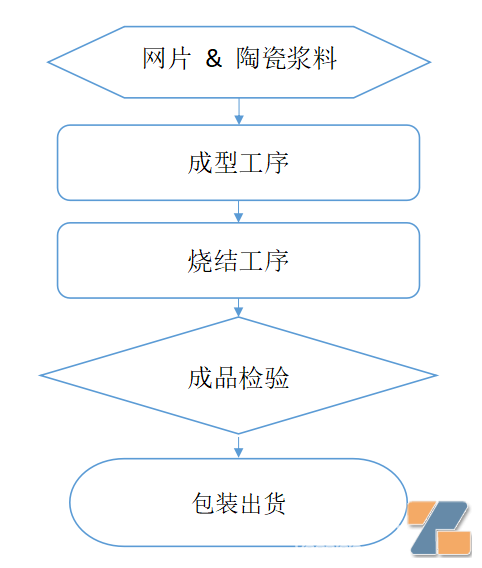
Figure 2 MC Production Process
We recommend a cotton inner hole of φ4.5mm, using 60 or 75g linen vertical stripes for oil conduction cotton. The ceramic core is naturally inserted during cotton wrapping assembly to avoid expanding the cotton inner hole. Detailed steps are shown in Figures 3 to 7.
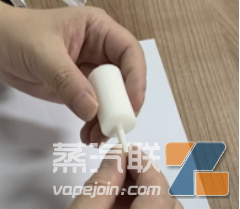
Figure 3 Insert the matching fiberglass tube into the cotton inner hole
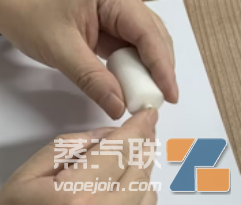
Figure 4 The fiberglass tube end is flush with the cotton end face
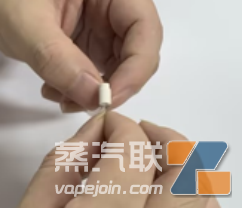
Figure 5 Cotton Wrapping
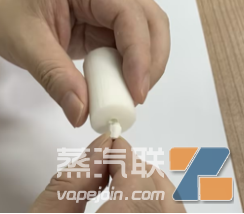
Figure 6 The top step presses against the fiberglass tube end face for light rotation assembly
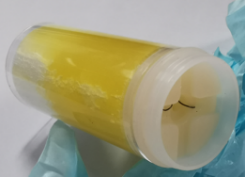
Figure 7 Install the top pin and then inject oil
This ceramic core is a patented product of our company (as shown in Table 1).
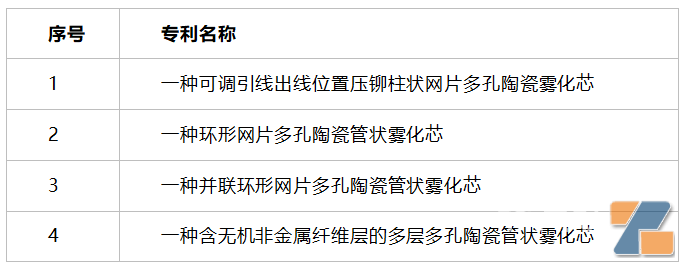
Table 1
We recommend a power of 9.3W, with a TPM of up to 13mg/PUFF, an oil injection volume of 12mL, and a sweet flavor with no attenuation. It has already been mass-produced and shipped, and we welcome friends to request samples for testing.