Layoff Survival Guide: I’m Sorry for Being Part of the Vaping Industry?
JUUL is one of the top giants in the U.S. e-cigarette market, previously part of the American Altria Group, which is also the owner of the internationally renowned cigarette brand "Marlboro." In 2018, Juul disrupted the tobacco market with its stylish e-cigarettes, quickly becoming a status symbol among teenagers. In September 2018, Juul held a 72% market share of the U.S. e-cigarette market, with sales reaching $2 billion that year. Subsequently, Juul's valuation skyrocketed, going from $16 billion in July 2018 to $38 billion three months later. They also allocated $2 billion in bonuses to over 1,500 employees, averaging $1.3 million in year-end bonuses per person.
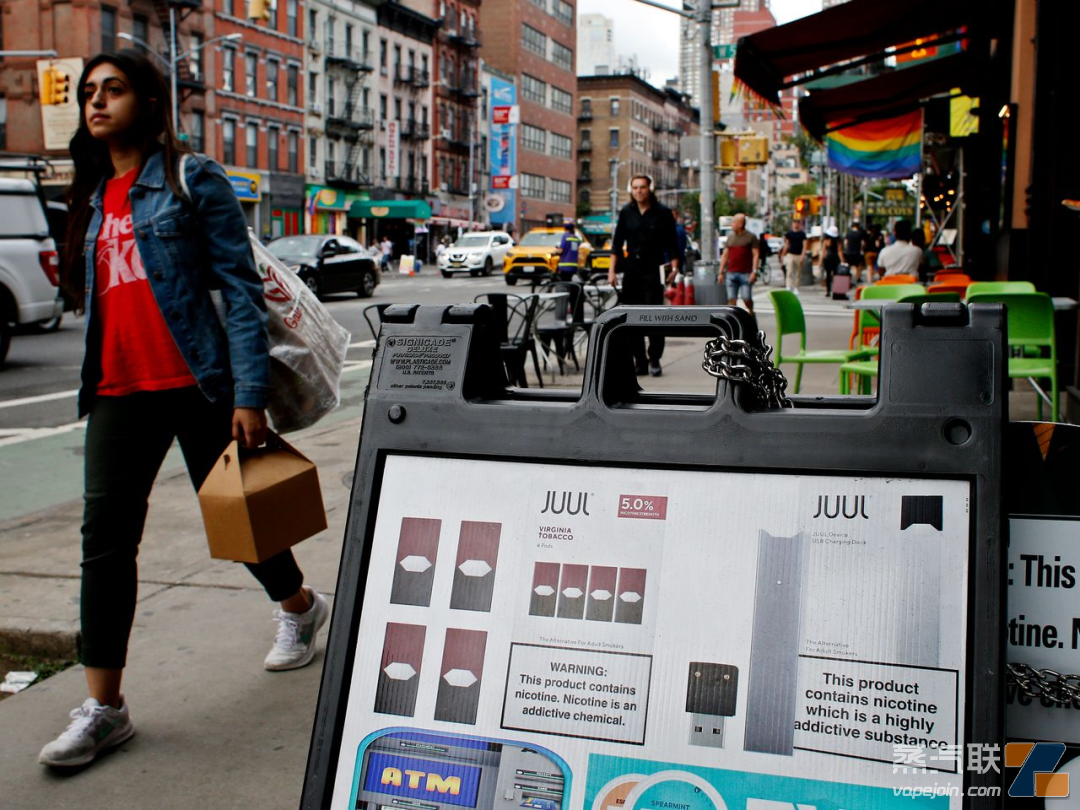
However, the good times did not last long. With various accusations against Juul for marketing e-cigarettes to minors, Juul found itself embroiled in legal disputes and regulatory challenges. The U.S. Food and Drug Administration (FDA) briefly ordered Juul's products to be removed from the market last June, leading to a decline in Juul's sales. Juul stated that sales have not yet recovered but have stabilized. Over the past few years, there have been thousands of lawsuits against Juul across various states in the U.S., almost all centered around the company's marketing strategies, accusing Juul of using misleading marketing and deceptive packaging to entice teenagers to try e-cigarettes out of curiosity, ultimately leading to nicotine addiction and heavy use of Juul products.
On August 24, according to the Wall Street Journal, the second-largest e-cigarette manufacturer in the U.S., Juul Labs, plans to lay off about 30% of its workforce as it seeks to reduce operations while looking for financing or selling the company. Reports indicate that since the FDA ordered Juul's e-cigarette products to be removed from the market last year, and then paused that order pending the company's appeal, the company's financial situation has been precarious. Last fall, with the help of some early investors, the e-cigarette company avoided bankruptcy. Since then, Juul has been seeking a deal with a larger company for sale, investment, or licensing arrangements to secure funding for continued operations, but all attempts have failed.
Juul is awaiting the FDA's final decision on whether its products can continue to be sold in the U.S. Last month, the company submitted an application for U.S. authorization for a next-generation atomizer. Reports indicate that a Juul spokesperson stated that without FDA authorization, Juul cannot reach a deal at what it considers a fair valuation. Potential investors are also concerned about the proliferation of illegal disposable e-cigarette products, which have captured market share from Juul and other companies in the U.S.
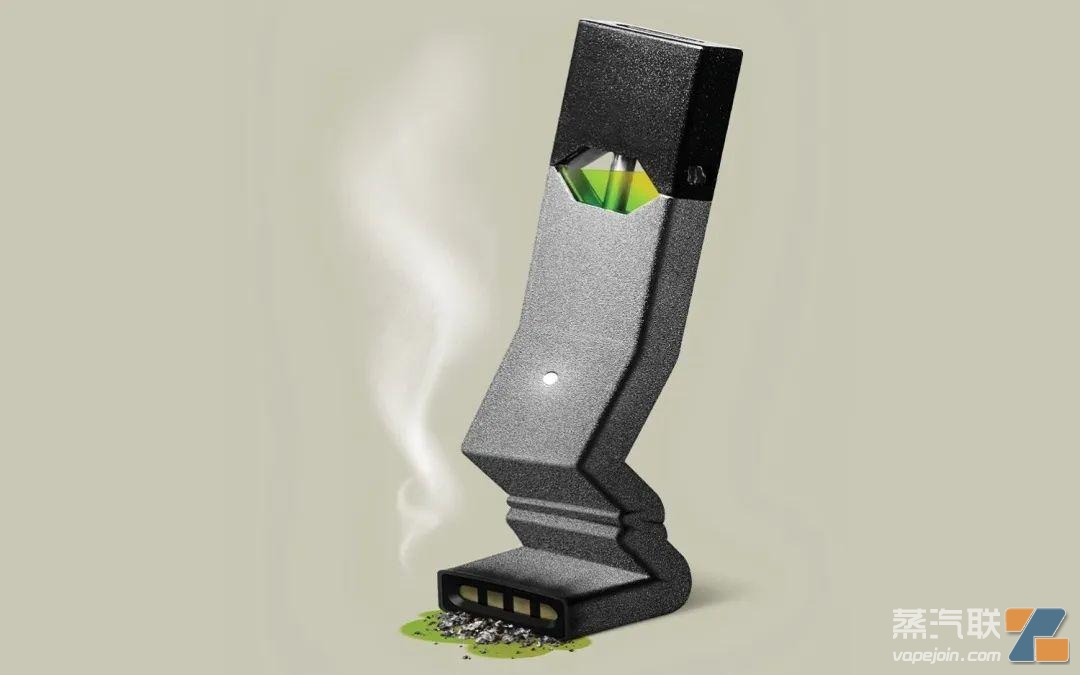
Juul plans to cut about 250 jobs in the latest round of layoffs, reducing its workforce to around 650 employees. At its peak four years ago, the startup had just over 4,000 employees. A Juul spokesperson stated that the layoffs will reduce operational expenses by $225 million. This round of layoffs will also help the company achieve profitability and reduce the need for new capital before the FDA makes a decision on its products. The spokesperson mentioned that Juul has been working to raise at least $1 billion from investors this summer. The company currently has no plans to file for bankruptcy. According to Goldman Sachs analysis, Juul was once the leader in the U.S. e-cigarette market and is now the second-largest e-cigarette manufacturer in the U.S. Analysis shows that as of July 29, Juul accounted for 25% of e-cigarette sales in U.S. retail stores.
Juul is at a critical juncture, and the layoffs and business reductions may be its last-ditch effort to survive.