
How Much Potential Does South Korea’s Vaping Market Have?
Seoul, South Koreavape Expoexhibitions
Seoul, South Koreae-cigarettesExhibition Introduction
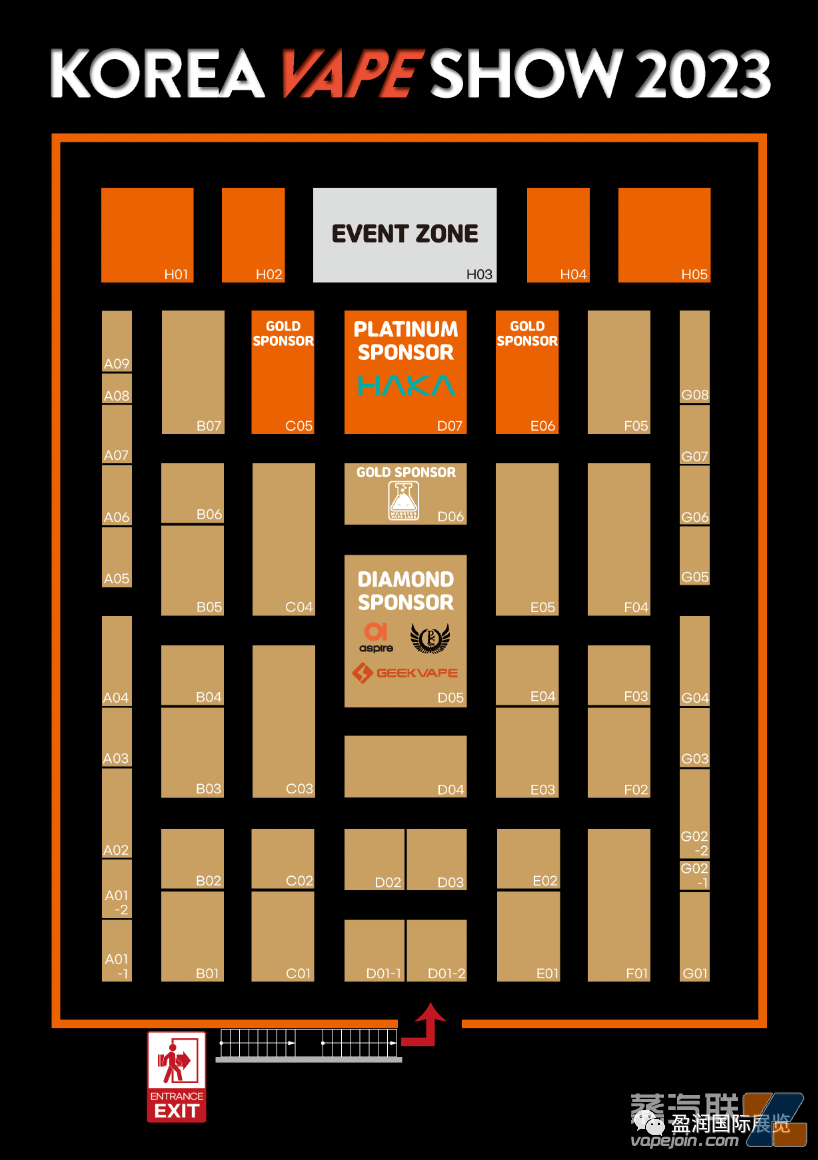
The 2023 exhibition is the 4th Korea Electronics Smoke Exhibition, located at Hall 7 of KINTEX 2 Exhibition Hall in Gyeonggi-do, covering an area of approximately 14900 square meters. The first three exhibitions were packed, and the cumulative number of visitors exceeded 18200+. The number of exhibitors is 50+.
2023 · KOREA
Market Outlook
South Koreanew tobaccoThe market has shown vigorous development in recent years. According to data from South Korea's statistical agency Euromonitor, South Korea's new tobacco productsheating non-burning(HNB) The tobacco market will exceed 2 trillion won in 2021, reaching 2.413 trillion won. It is expected to reach nearly 2.5 trillion won by 2025.
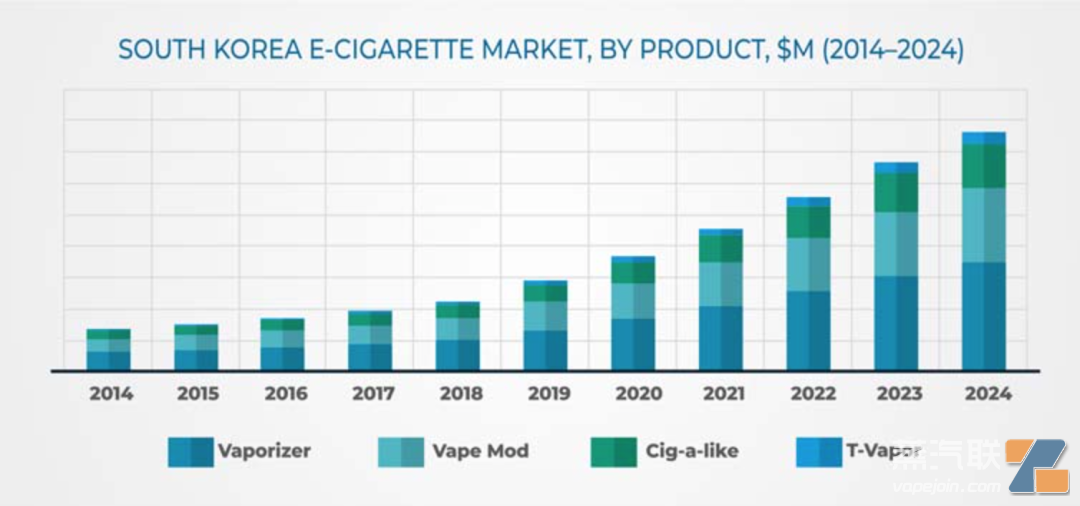
According to a survey by the South Korean Ministry of Strategy and Finance, tobaccoe-cigarette marketIts share of the entire domestic tobacco market has increased from 2.2% in 2017 to 14.8% in the first half of 2022. HNB products have become a new growth point in South Korea's tobacco market in recent years. The market is expected to grow at a compound annual growth rate of 24.3% from 2019 to 2024.
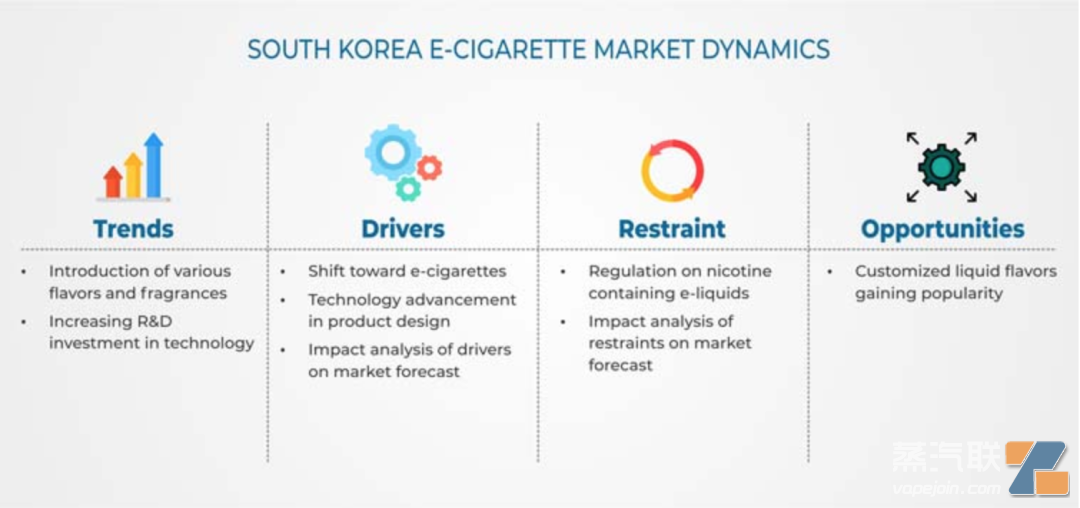
The key factor driving market expansion is the rising public preference for e-cigarettes. Technological advances in cigarette, product design and increased health awareness. In South Korea's gender market segment, the male e-cigarette market dominates. This is attributed to the fact that women are not allowed to consume tobacco products due to the country's religious values and conservatism. However, as urbanization rates and education levels increase and companies launch targeted marketing campaigns, the women's category is expected to expand rapidly in the next few years.
Many people are turning to e-cigarettes or vape mod as an alternative to smoking. In addition, these products are available in non-nicotine and nicotine forms, so many believe these devices are a better alternative. The increasing number of young people using these products has led to increased demand. South Korea is one of the fastest growing markets for e-cigarettes in the world, attractingJUUL Concern of major international manufacturers such as Labs.
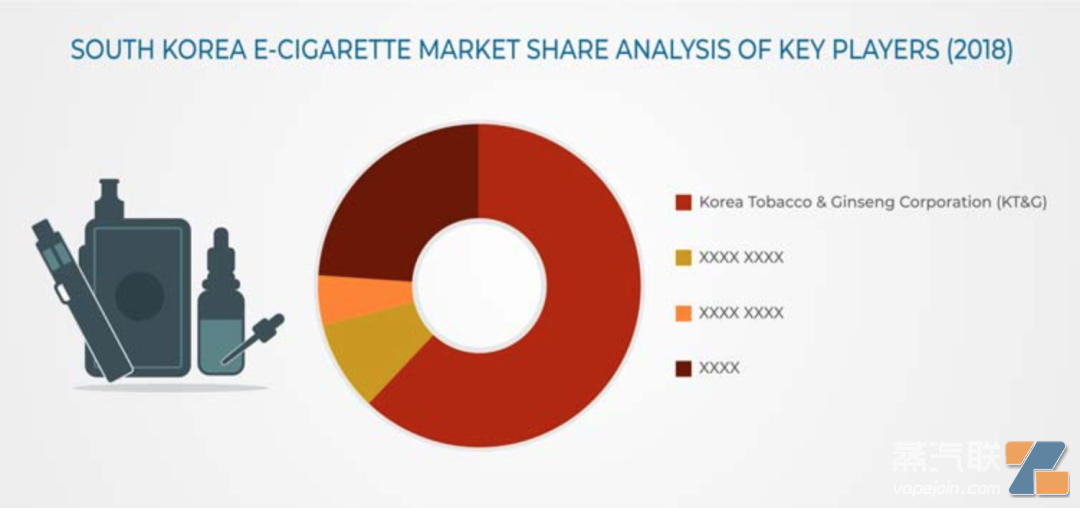
PMI (Philip Morris International), KT G (Korea Tobacco) and BAT (British American Tobacco) are major participants in South Korea's HNB market. KT G dominates South Korea with its huge distribution network. However, in recent years, as the domestic market stock has bottomed out, KT G has chosen to cooperate with PMI to explore the international market, and the two sides have moved from domestic competition to international cooperation;BAT is adopting a low-cost product strategy to seize new market users.
KT G is South Korea's largest tobacco company. Its operating profit margin in 2022 will be 30%, and its market share ranks first in the South Korean market, reaching 48%.
KT G CEO Bai Furen said at the 2023 Investor Conference:
" By 2027, we will increase our global market sales share to 50%, and increase our sales share of NGP and health functional foods to 60%."
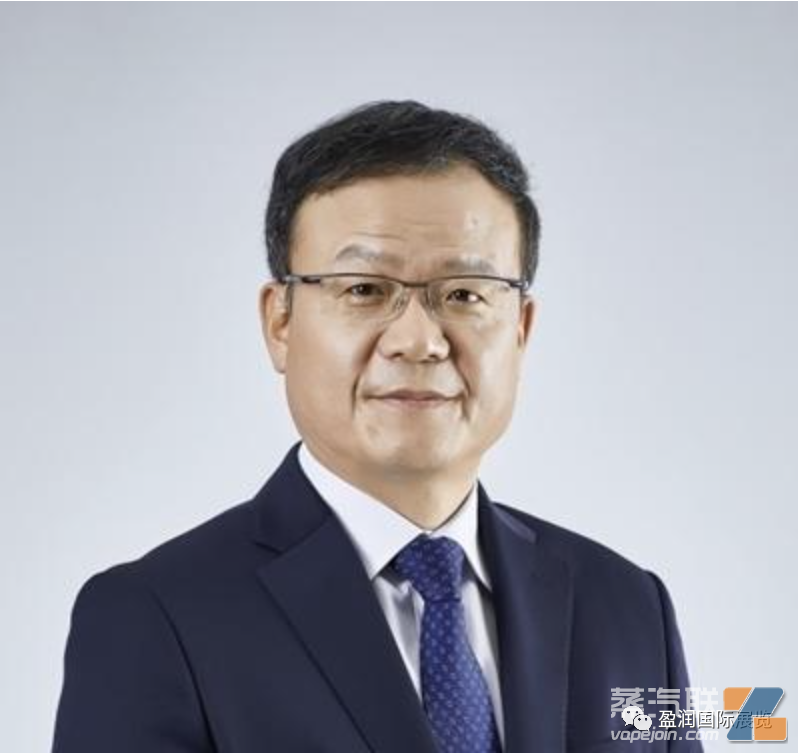
Bai& Furen, CEO of KT G| Photo source: KT& G
KT G chose to cooperate with PMI, the world's number one tobacco company.
Previously, the two had signed a treaty3 years Contract,PMI will start selling KT G's HNB products in the global market in 2020。
And in February this year, the two sides renewed another15 years long-term contract.
According to disclosure information from both parties, KT G's HNB products will be sold in 70 countries or regions around the world where PMI conducts business.
Why does PMI accept KT G's products into its distribution network? PMI's comment on this is:
" PMI is confident that even if KT G grows in the global market, it will not reach a level that threatens it."
PMI's confidence comes from the global sales of its products. According to PMI's 2022 annual report, its total number of IQOS users is estimated to be approximately 25 million.
In addition, the government is expected to continue to crack down on cigarette sales in the country in the next few years, thereby driving the popularity of e-cigarettes. In addition, consumers in the country are concerned about the quality of e-cigarettes made locally and in China. This view is becoming more and more importante-cigarette productsThe combination of global tobacco companies creates lucrative growth opportunities.
In 2022, PMI South Korea's sales of IQOS products increased 21.5% to 686.7 billion won, while operating profit increased 16.27% to 80.6 billion won for the same period.
External analysis believes that PMI South Korea's sales rebounded in 2022, giving PMI a boost. PMI will formulate new strategic measures by replacing senior executives to achieve share growth.
2023·KOREA
Diversification
Rapid advancement in such e-cigarette equipment technology is driving South Koreae-cigarette industryexpansion. Tobacco producers are increasingly focusing on developing new technologies and launching innovative products to penetrate emerging markets and gain an advantage over competitors.
 #p#pagination title #e#
2023·KOREA South Korea
Competitive landscape
E-cigarette market participants are increasingly focusing on strategic partnerships, mergers and alliances to gain a foothold in the market. For example, Altria Group acquired a 35% stake in e-cigarette manufacturer JUUL Labs inc.for US$12.8 billion. Its investment in JUUL Labs inc. is the largest in the company's history. The acquisition will allow the company to expand its influence in the e-cigarette market.
Some of the major players in the Korean e-cigarette market include British American Tobacco, Altria Group, Japan Tobacco, Empire Brand, Philip Morris International, JUUL Labs lnc, Shenzhen iSmoka Electronics Co., Ltd. Shenzhen IVPS Technology Co., Ltd.,InnokinTechnology Co., Ltd., Shenzhenreal KangertechCo., Ltd., Korea Tobacco Ginseng Company.
Related Articles

Ahead of a Nationwide Ban, Hundreds of Russian Retailers Voluntarily Stop Selling Vapes

Illegal Vape Brands Try to Evade FDA Scrutiny by Posing as “Made in the USA”
