U.S.: Crackdown Has Not Stopped the Massive Influx of Disposable Vapes
According to sales data obtained by the Associated Press, since 2020, there have been more than 100 million U.S. markete-cigarettesThe number of devices has almost doubled to more than 9000 types. This increase is mainly due to disposable e-cigarettes that are not authorized by the MHRA.
The increase contrasts with the FDA's own data, which claims it rejected about 99% of new applications.e-cigarette productsOnly a small number of e-cigarette products targeted at adult smokers have been approved.
Screenshot of Associated Press article
These figures show that more than three years after the FDA cracked down on flavored e-cigarettes targeted at children, it is still unable to effectively control them.e-cigarette market。Most disposable e-cigarette products have sweet and fruity flavors, such as pink lemonade, gummy bears and watermelon, making them a favorite tobacco product among teenagers.
Technically speaking, these disposable e-cigarette products are illegal, and they have completely changed the FDA's regulatory model. The FDA must now somehow seize thousands of illegal products, rather than just scrutinizing individual products that may be beneficial to adult smokers.
Most disposable e-cigarette products are related to mainstream brands on the market, but hundreds of new products are launched every month. Companies copy designs from each other, blurring the line between authentic and counterfeit products. Brands can launch new products within weeks by sending their brand logos and taste requirements to China manufacturers.
According to IRI, last year (2022), the U.S. e-cigarette retail market was approximately US$7 billion, while disposable e-cigarettes accounted for approximately 40%. IRI conducts proprietary data analysis by collecting bar code scanner sales data from convenience stores, gas stations and other retailers.
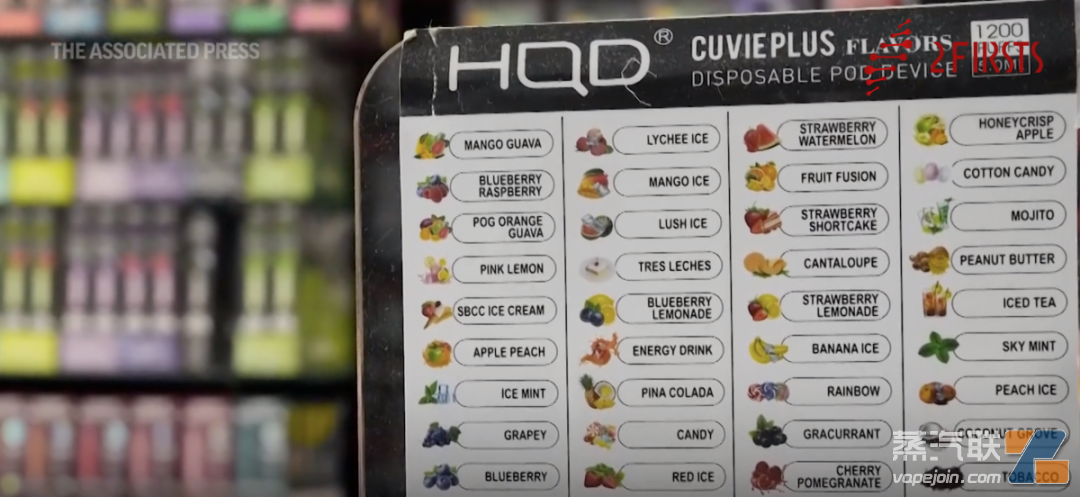
Video screenshots in the article
Data shows that there are currently more than 5800 unique disposable e-cigarette products on the market, sold in multiple flavors and formulas, an increase of 1500% from 365 at the beginning of 2020. At the time, the FDA effectively banned all flavors of replaceable e-cigarettes except menthol and tobacco, such asJUULThe accusation has triggered a nationwide surge in the use of e-cigarettes by minors.
However, the FDA policy enacted by President Donald Trump excludes single-use e-cigarette products, prompting many teenagers to simply switch from JUUL to new flavors.
Dr. Robert Jakler of Stanford University, who has studied the rise of disposable e-cigarettes, said: "The FDA has been very slow to act, and the entire industry knows this and takes advantage of it."
What is even more worrying is that manufacturers of disposable e-cigarettes do not need to register with the FDA, which leaves the FDA with little understanding of the huge industry centered on manufacturing in Shenzhen, China.
Among politicians, parents and keye-cigarette companiesUnder pressure from, the FDA issued orders to ELFBAR, Esco Bar and Breeze to ban imports of these three brands. However, according to IRI data, these companies accounted for only 14% of disposable e-cigarette sales last year. Dozens of other brands, including Air Bar, Mr. Fog, Fume and Kangvape, were unaffected by the FDA ban.
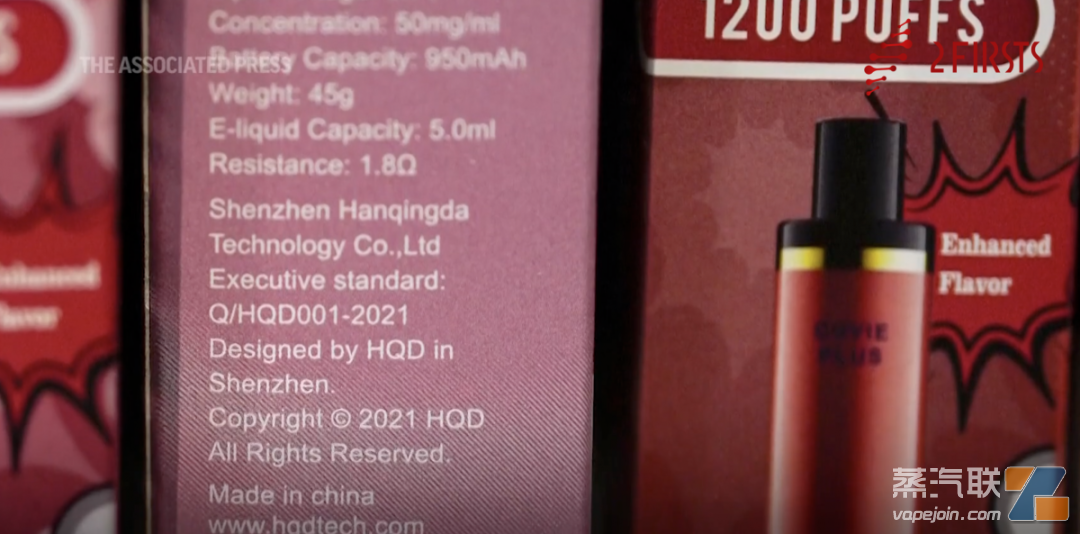
Video screenshots in the article
Brain King, FDA director of tobacco, said the FDA is "unwavering" in its commitment to combating illegal e-cigarettes.
He said: "I don't think there is any panacea here. We have taken a comprehensive approach that involves addressing all entities throughout the supply chain, from manufacturers to importers to distributors and retailers."
IRI data provides more in-depth insights, which shows that by the end of 2022, the United Statese-cigarette brandsThe number increased by nearly 50% to 269.
IRI restricts access to its data and sells it to companies, investment firms and researchers. The Associated Press was authorized to access the data anonymously. The company declined to comment or confirm the data and said IRI would not provide such information to news organizations.
To be sure, the FDA has made some progress: It has processed nearly 26 million product applications submitted by manufacturers who want to enter or remain on the market. Brain King said the agency hopes to be able to resume "true premarket review" after completing its review of the mountain of applications.# p#pagination title #e#
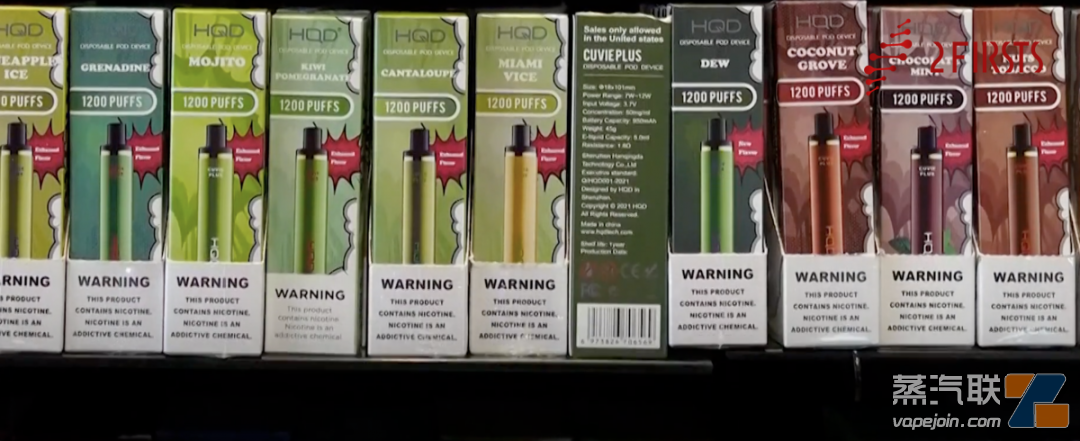
Video screenshots in the article
At the same time, however, single-use e-cigarette manufacturers have taken advantage of two loopholes in FDA regulation, although only one of them has been fixed.
The FDA's original authority only targeted products that used tobacco plant nicotine. However, in 1,PUFF Bar and other disposable e-cigarette companies have switched to synthetic nicotine.
Congress patched the loophole last year, but the action led to a backlog of FDA applications for synthetic nicotine products. As required by law, the FDA should make immediate decisions on these applications. The agency keeps most products on the market, while many others are illegally marketed.
According to Mitch Zeller, former director of the FDA's Tobacco Program, an earlier loophole came from a decision by the Trump administration that was made without obtaining FDA advice.
He said: "This is preventable. But I was told there was no appeal."
In September 2019, Trump announced a plan at a press conference to ban the use of non-tobacco flavors on all e-cigarettes, including flash-type e-cigarettes and disposable e-cigarettes. However, the president's political advisers fear it could alienate voters.
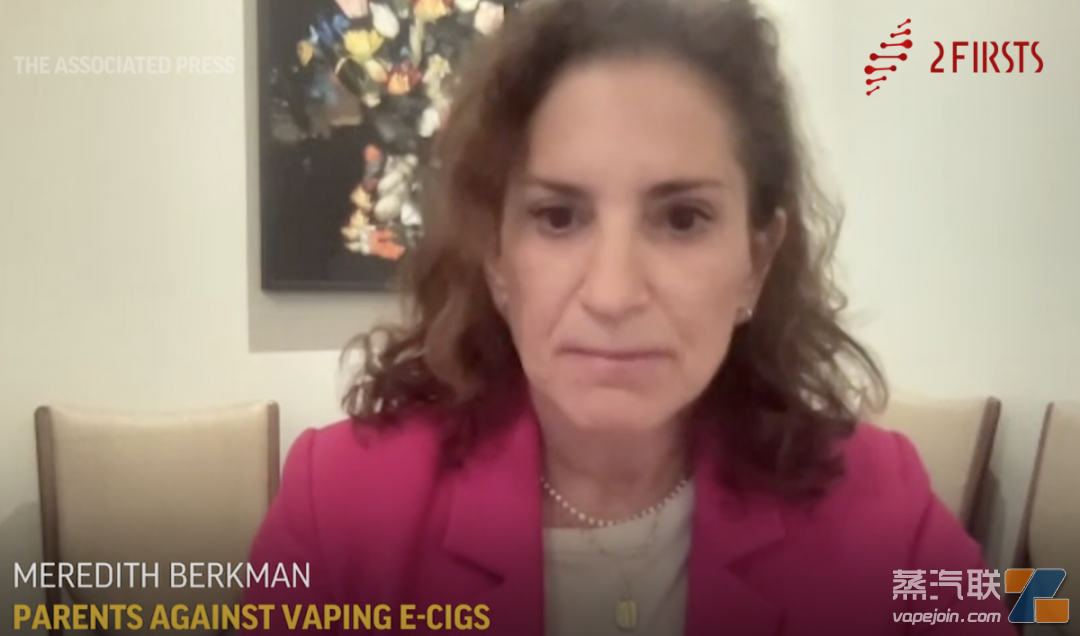
Video screenshots in the article
Zeller said he subsequently received a phone call in December 2019 that the taste restrictions did not apply to disposable e-cigarette products.
"I told them it didn't take a crystal ball to predict that children would switch to disposable products that weren't affected by this," he said.
The decline of JUUL and the proliferation of disposable items

Looking back now, the government's crackdown on JUUL seems relatively simple.
In September 2018, FDA officials declared that e-cigarette use among teenagers had become an "epidemic" and noted the increasing use of JUUL, Vuse and other brands.
Within weeks, FDA investigators conducted a surprise inspection of JUUL's headquarters. A congressional committee launched an investigation and collected hundreds of thousands of company documents.
By October 2019, JUUL had abandoned most flavors and stopped all advertising.
"In a way, we were fine, but no one knew," said Dorian Fuhrman, co-founder of Parents Against E-Cigarette.
Parents, health groups and major e-cigarette companies largely agree that the FDA must clean up the disposable e-cigarette market.
But lobbying by tobacco giant Renault America, maker of the top-selling Vuse e-cigarettes, has left some advocates hesitant to push the issue.
According to IRI, sales of Vuse and JUUL were flat despite a surge in disposable e-cigarettes. Disposable e-cigarettes generated $2.74 billion in revenue last year.
Economic barriers to entering the U.S. e-cigarette market are low: Manufacturers offer dozens of product designs and flavors, and when ordering 10000 units or more, each device costs just $2. The devices sell for $10 to $30 in the United States.
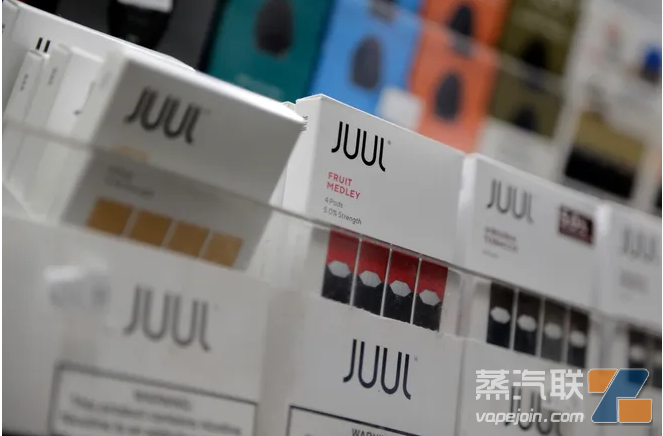
JUUL product map
"If you have $5 billion, you may not be able to start a traditional cigarette company," Jackler said. "But if you have $50000, you can send your art and logo to one of the manufacturing companies, and next week your product will be on the tray."
Esco Bar offers flavors such as Bubbleberry, Citrus Circus, Bahama Mama and Berry Snow. Pastel Cartel, the Austin, Texas company behind the brand, had one-time product sales of more than $2.4 billion before the FDA banned imports of the brand's products last month.
CEO Darrell Surriff said his company had gone to its best to comply with FDA rules, spending $8 million to complete an application that the FDA rejected. He is appealing the decision and considering challenging the import ban.
"We are a company that actively serves society and communities, and the government attacks us," Sarif said. He added that he recently purchased new cars for several long-term employees.
Import alerts are one of the FDA's most powerful tools to stop illegal products, but industry experts say they can easily be circumvented.
"Companies often just rename their products and change their shipping addresses so the products can easily be marketed again," said Marc Scheineson, a former FDA lawyer who now advises tobacco customers.# p#pagination title #e#
The FDA's import ban on ELFBAR demonstrates the weakness of the agency's enforcement methods, and its related brands, LOST MARY and Funky Republic, are not on the warning list.
IRI data show that ELFBAR sales in the United States alone have reached nearly $400 million since the end of 2021.
In a statement last month, the company called the FDA's import ban "capricious" and added that "there was no opportunity to address any of the FDA's concerns." Company representatives did not respond to AP's request for an interview.
Retail chains across the country often avoid stocking disposable e-cigarettes. But according to industry insiders, new distribution networks have emerged. The wholesaler will import a container containing disposable e-cigarettes and then sell the contents to smaller distributors, who will then sell the product in trucks or trucks to local stores.
Outdated and unfinished rules
In 2009, a law gave the FDA authority to regulate the tobacco industry, focusing mainly on cigarettes and other traditional products made by several large U.S. companies. The purpose is to subject tobacco manufacturing and ingredients to the same rigorous scrutiny and inspection as food and medical supplies. Today's e-cigarette manufacturers are almost all located in China and they did not participate in the discussions at the time.
However, 14 years later, the FDA has not yet finalized manufacturing rules to expand its regulatory authority over foreign e-cigarette factories. In fact, the agency did not issue a draft regulation until March.
"In theory, the FDA has the right to inspect foreign manufacturing facilities, but in practice, the FDA currently only conducts inspections within the United States," said Patricia Kovacevic, a lawyer who specializes in tobacco regulation.

FDA Photo
According to the FDA's public database, more than 500 tobacco-related inspections have been conducted since the FDA gained regulatory authority over e-cigarettes, of which only two were conducted in China. These two were for the FDA's factory inspection process to review and submit PMTA applications. Currently, these applications are basically the only way for the FDA to understand where and how e-cigarettes are produced, and many single-use e-cigarettes skip this process completely.
The FDA itself is aware of the problem, writing in its operating guidelines: "Covering foreign manufacturers is necessary to ensure public health protection" and noting that there are "numerous reports of battery fires and explosions" in e-cigarettes in China.
For years, the FDA has been working to solve the e-cigarette problem. In 2011, the FDA announced plans to begin regulating these products, but it took regulators five years to finalize the rules. After the rules were implemented in August 2016, no new e-cigarettes will be allowed to enter the U.S. market, and existing companies must submit review applications before September 2020. Only products that can help smokers reduce their exposure to cigarettes while not attracting young people are likely to be approved.
However, due to limited resources, the FDA has used "discretion" to delay decisions on many applications, resulting in some products, including major brands such as Vuse, remaining on the market for years. Currently, the FDA has only approved 23 e-cigarettes, none of which are disposable e-cigarettes.
"Any unauthorized product enters the market illegally," Dr. King said.
Industry representatives said the FDA's refusal to approve more products has put it in a difficult situation.
"When an agency declares all products on the market illegal, it puts itself in a situation where it is completely unable to enforce its own regulations."atomization technologysaid Tony Abboud of the association.
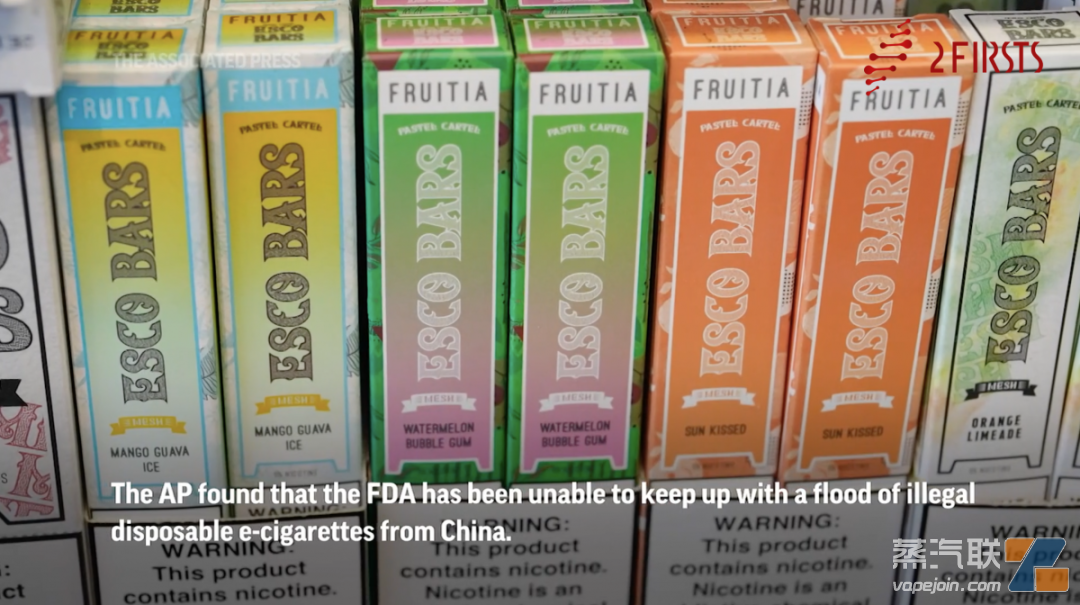
Video screenshots in the article
Different views on solutions
Although there is consensus on taste limits for disposable e-cigarettes, there is no agreement on a solution.
In February, Reynolds filed a petition with the FDA to impose flavor restrictions on disposable products, just as it limits VUSE and other traditional products. Three weeks later, legislation with the same effect appeared in the U.S. House of Representatives. (A spokesman for Reynolds said the company did not lobby for the bill's introduction.)
Anti-e-cigarette groups pointed out that the company's VUSE still offered mint flavors last year and was the second most popular e-cigarette product among teenagers.# p#pagination title #e#
"They want groups like us to call for a ban on all e-cigarettes made in China so they can take over the market," said Fuhrman of a parent group that opposes the use of e-cigarettes. "We did not make such a request. We call on the FDA to fulfill its responsibilities."
In fact, the FDA's King said the agency already has enough authority to regulate single-use e-cigarettes.
"There are no loopholes that can be closed," King said. He noted that the FDA has recently shifted its focus to single-use product manufacturers.
But the claim sparked dissatisfaction among people who questioned why the agency had not more aggressively used its existing legal tools, including fines and court orders. Former agency officials pointed out that certain legal actions require the cooperation of other agencies, such as the Justice Department.
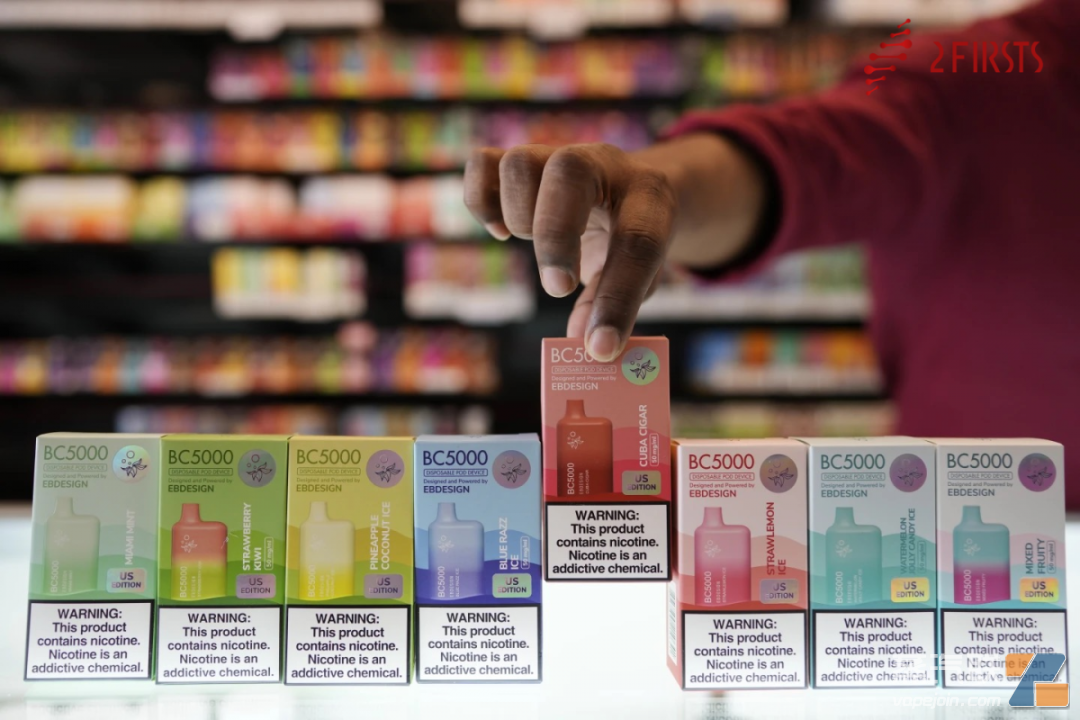
Picture within the article
If there is less urgency for minors to smoke e-cigarettes than a few years ago, it may be because government data shows the situation has improved.
Since 2019, the government's annual survey has shown that e-cigarette use among middle and high school students has dropped significantly twice, and FDA officials no longer describe the problem as an "epidemic."
However, educators say e-cigarettes remain a serious problem.
At Mountain Range High School near Denver, art teacher Kyle Wimmer said that when he used the classroom's anonymous computer system to poll students, about 20 percent of students said they regularly smoked e-cigarettes.
Last school year, Weimer collected 150 e-cigarettes from students who wanted to quit smoking, but most wouldn't last for a few weeks.
"The success rate of quitting smoking is not high," Weimer said. "They no longer want to continue smoking, but they can't quit because of the high level of nicotine."