
U.S. FDA orders detention of imported vaping products including Elf Bar and Esco Bar
Today, on May 19, it was reported that the U.S. FDA has ordered its import inspectors to detain Elf Bar and Esco Bar disposable e-cigarettes shipped from manufacturers and exporters in China and South Korea to U.S. ports. These products have been placed on the import red list, allowing them to be detained at U.S. entry points without inspection.
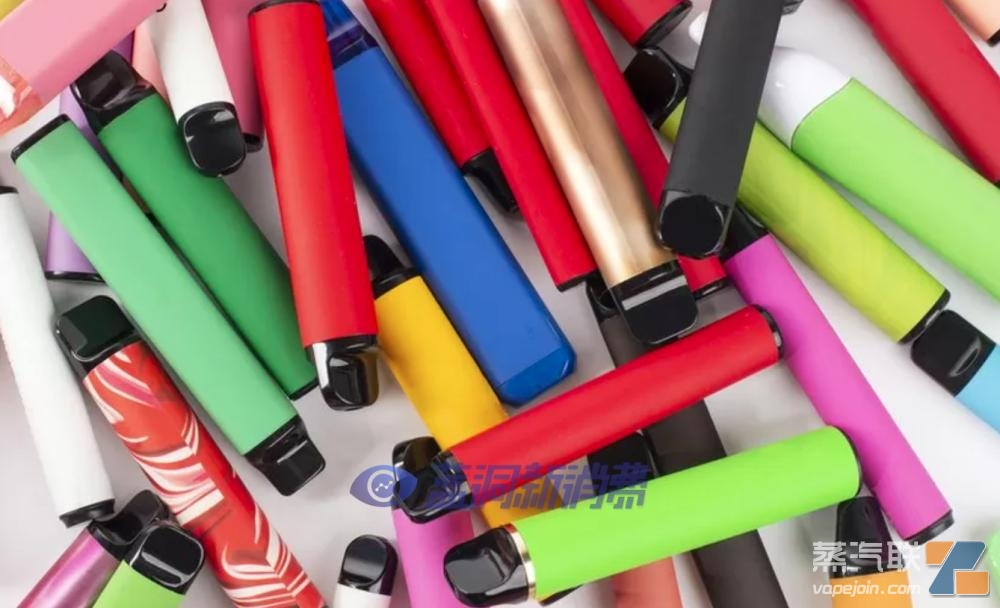
Packages identified as containing Elf Bar or Esco Bar products from red list shippers may be detained as they are considered unauthorized tobacco products. Shippers or manufacturers must prove the products are legal before they can be removed from the red list and continue to their U.S. destinations. The import alert represents current guidance for FDA field personnel.
"Detain without inspection"
The alert lists Elf Bar under its ELFBAR and EBDESIGN names and specifies six Chinese shippers whose products can be detained, along with one from South Korea and one from a U.S. address. The document also lists six Chinese shippers for Esco Bar and one U.S. address.
In the notes section for each Elf Bar shipper, the FDA states that its Center for Tobacco Products (CTP) has determined that this company may be importing/manufacturing/shipping a new tobacco product (Elf Bar/Elfbar or EBDESIGN) without marketing authorization. Tobacco products lacking premarket authorization requirements are considered adulterated. The same language is used for each Esco Bar shipper. Each red list entry is dated May 15 or May 17.
The alert was issued by the FDA's Office of Regulatory Affairs (ORA) under the FDA's import business office. However, the push to combat imports comes from the CTP.
"The department may detain tobacco products identified on this import alert red list without inspection," the FDA alert states. "If the department is unsure whether a tobacco product is the same as those identified on the red list, it should consult the Center for Tobacco Products (CTP). Adding products to the red list requires CTP approval."
Detaining products with pending PMTAs is new
This alert is based on the fact that the products are being sold without FDA authorization, technically making them illegal (adulterated and misbranded) — but the FDA has so far allowed products with pending Premarket Tobacco Applications (PMTAs) to remain on the market undisturbed. The question is whether the FDA's enforcement discretion allows the agency to pick two brands with pending PMTAs from thousands to enforce against.
Vaping360 was informed by a major Elf Bar distributor that both Elf Bar and Esco Bar submitted PMTAs in a short period last year, and the FDA accepted PMTAs for products containing synthetic nicotine. The distributor stated that the FDA may face legal challenges to the import ban.
"Unless the Supreme Court or Congress intervenes, the FDA will only double down on its current whack-a-mole enforcement strategy," Gregory Conley, legislative and external affairs director for the American Vapor Manufacturers Association, told Vaping360. "Arbitrarily selecting products to consider particularly prohibited is what federal agencies do when they lack an effective long-term vision or plan."
In 2009, the FDA's drug office seized e-cigarettes shipped from China, sparking a legal battle that ultimately saw NJOY's owner win. Shortly after these seizures were questioned, the FDA gained regulatory authority over tobacco products and then, in 2016, the agency classified e-cigarette products as tobacco, granting itself regulatory authority over e-cigarette products.
FDA faces pressure to enforce against disposables
The FDA is under pressure from anti-tobacco youth movements and other anti-vaping organizations to crack down on disposable e-cigarettes (as well as all flavored and synthetic nicotine e-cigarette products). But there is also pressure from Congress — and from a large tobacco company that also sells e-cigarette products.
RJ Reynolds — the manufacturer of Vuse e-cigarettes, including the popular Vuse Alto — submitted a citizen petition to the FDA in February, urging the agency to prioritize enforcement against the illegal sale of disposable nicotine delivery systems ('ENDS') products to better protect public health. Shortly after Reynolds' petition, a bill was introduced in the House to prioritize enforcement against disposables.
Many also see Reynolds as a strange funder of the anti-disposable movement, which is led by a so-called consumer group called Strong Economy for Consumers. This campaign includes social media posts and sign-carrying trucks driving around the FDA's Washington D.C. office, displaying messages condemning the FDA for not taking action against flavored disposables targeting minors. #p#分页标题#e#
Disposable e-cigarettes like Elf Bar and Esco Bar surged in popularity after early 2020, when the FDA announced a crackdown on e-cigarette products with flavors other than tobacco and menthol. In the two years following the FDA's shift in enforcement focus, disposables captured 33% of the convenience store segment of the e-cigarette market.


