Three Mainstream Heating Technologies in Heated Tobacco: Resistance, Induction, and Infrared
Fei Mo International IQOS Korean Tobacco LiL Yunnan China Tobacco VIPN Philip International IQOS ILUMA British American Tobacco Glo Japan Tobacco Ploom Anhui China Tobacco Toop-zero top Anhui China Tobacco iHEA
HNBThree major heating technologies: resistance, electromagnetic, and infrared
So far,heating non-burningAmong (HNB)'s heating technologies, there are three main types that have attracted much attention according to their working mechanisms and have practical application cases: resistance, electromagnetic, and infrared.
1. Resistance heating: the earliest and most common, and is subject to patent restrictions
Resistive heating is the most common one, whether it is the IQOS 1 sheet heater owned by Philip Morris International, the needle heater of LiL, a subsidiary of Korea Tobacco, or the circumferential heating cup of VIPN, a subsidiary of Yunnan China Tobacco, its essence is to print a metal circuit on a ceramic to make a heating element, which uses the heat generated by the Joule effect to heat it after being electrifiedthe cartridge。
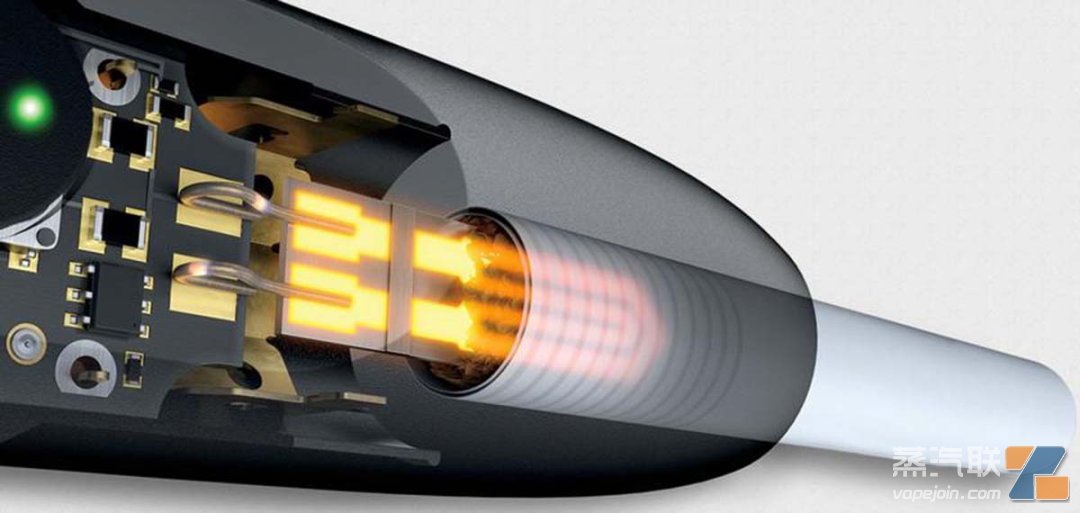
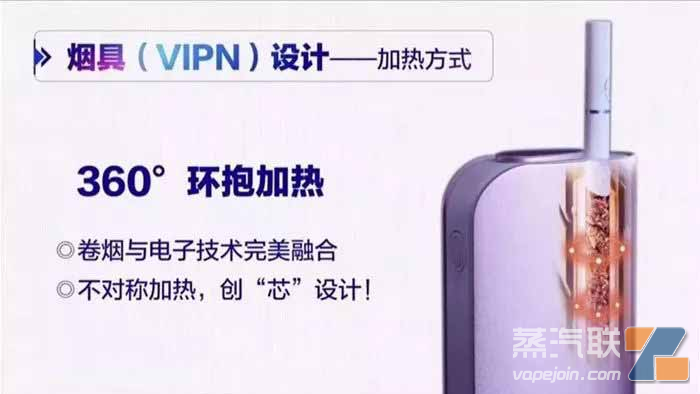
Resistive heating technology is the most mature in development, and the supporting facilities of the industrial chain are relatively complete. Although it has a large heat transfer area and relatively high heating efficiency, there are also some consumption pain points, such as uneven heating, difficult cleaning, and easy to cut off sheet heating bodies.
More importantly, as a revolutionary product that heats but does not burn, its related patents have long been applied for by Philip Morris International. The patent barriers formed are the top priority that latecomers have to consider in developing the market.
2. Electromagnetic heating: The new "Internet celebrity", the industry follows up low-key
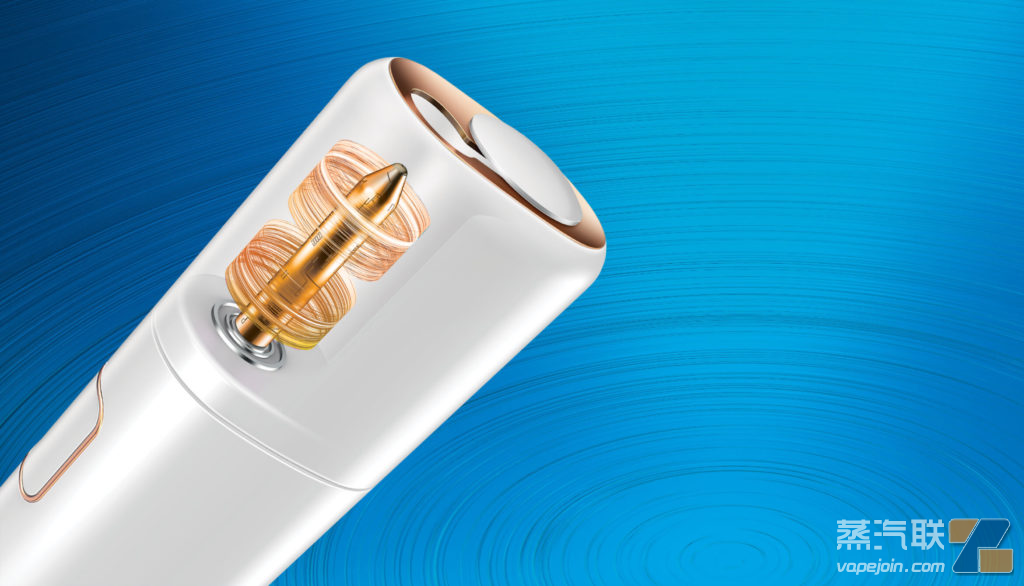
Electromagnetic heating is the new" Internet celebrity "of HNB smoking equipment in the past two years. Philip Morris International has once again accelerated the expansion of the global HNB market with IQOS ILUMA. In addition, examples of electromagnetic heating smoking sets include British American Tobacco's GLO, Japan Tobacco's Ploom, Anhui China Tobacco's Toop-zero Top, etc.
The basic principle of electromagnetic induction heating is that high-speed changing high-frequency and high-voltage current (i.e. alternating current) passes through the induction coil to generate a changing alternating magnetic field. By cutting the alternating magnetic field lines, electric eddy currents are generated on the metal inductor. Heat energy is generated by the high-speed movement of carriers, and the heat energy is used to heat the object.& nbsp;#p#Pagination Title #e#
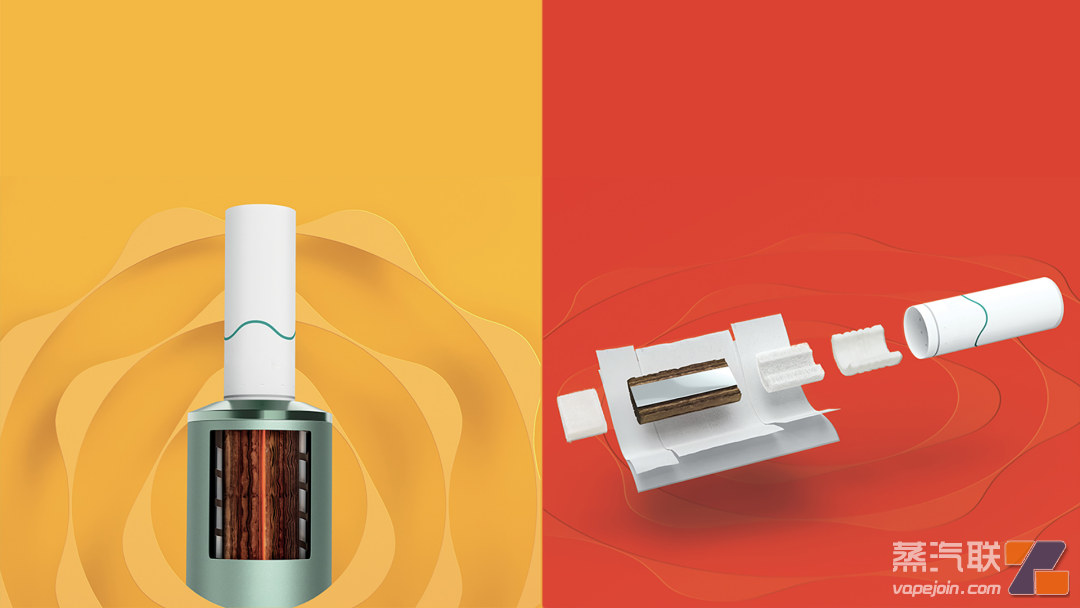
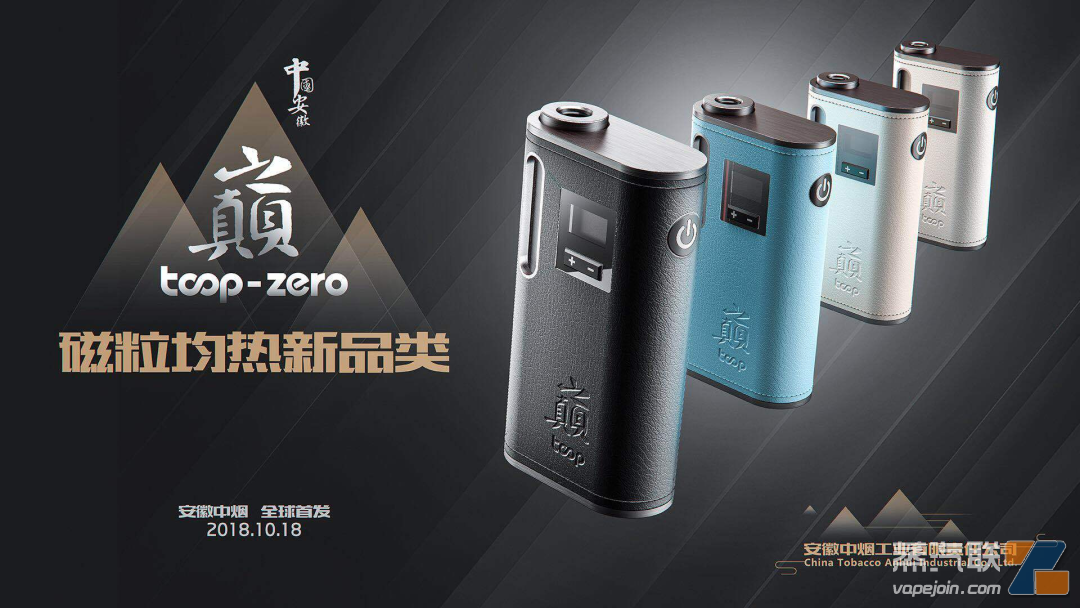
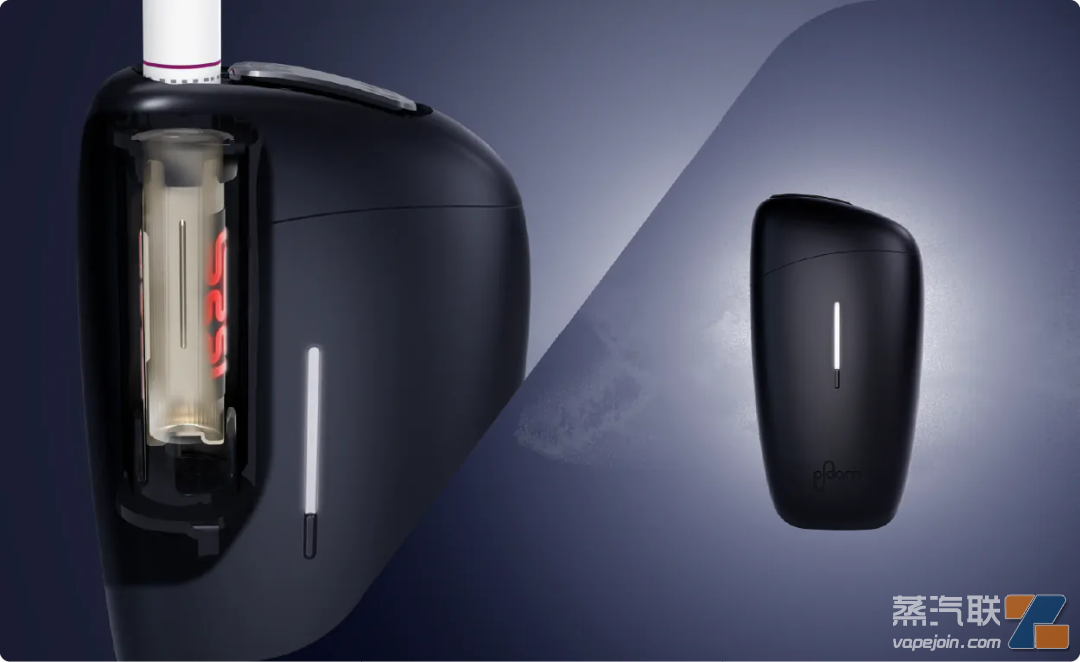
Electromagnetic heating technology has the advantages of rapid heating, high thermal energy utilization, and no need to clean smoking equipment. Obviously, some consumption pain points of resistance heating have been solved, which is why Philip Morris International can rely on IQOS ILUMA to start a new round of market expansion.
However, it should be noted that the built-in metal induction sheet of the electromagnetic heating cartridge is also prone to uneven heating. In addition, the electromagnetic heating patent layout of relevant domestic manufacturers is not dominant, so the electromagnetic heating smoking set is currently a low-key follow-up status in the industry.
3. Infrared heating: Domestic manufacturers may be able to achieve overtaking in corners
Finally we have reached the exciting infrared heating part. Why is it exciting? Because some industry sources said that infrared heating smoking sets are a track where domestic manufacturers have the opportunity to achieve overtaking in corners in the HNB field.
Infrared heating, also known as infrared radiation heating, is based on the basic principle that when the wavelength of the emitted infrared ray is the same as the absorption wavelength of the heated object, the heated object absorbs the infrared ray. At this time, the molecules and atoms inside the object" Resonance "occurs"-produces strong vibration and rotation, and the vibration and rotation increase the temperature of the object, achieving the purpose of heating.
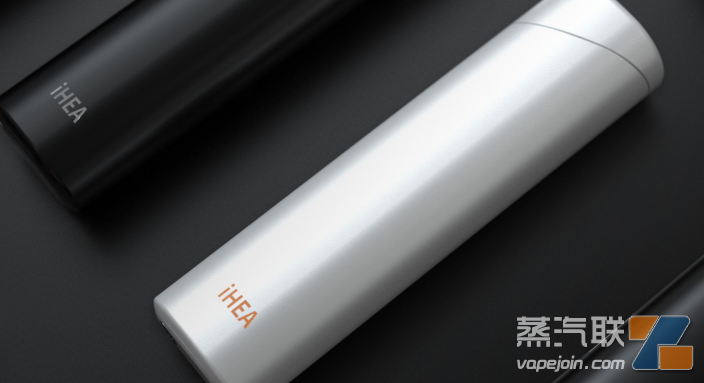
The main advantages of infrared radiation heating are:
has penetrating power and can be heated internally and externally simultaneously, making the heating even and transparent;
No heat transfer medium is needed, and the thermal efficiency is good;
Can be heated locally to save energy;
The heating process is clean and pollution-free;
The temperature is easy to control, the temperature rises quickly, and the safety is high.
It can be seen that infrared technology heats evenly and cleanly, which can be said to solve all the common pain points of resistance heating. However, it belongs to the method of radiant heating. Some industry insiders believe that the heating efficiency may not be as good as the resistance and electromagnetism of the heat conduction method. There is currently no test data for the prototype, so I will make a question mark here for the time being.
The reason why infrared heating is that domestic manufacturers have achieved overtaking in corners is because China Tobacco has laid out many patents in many places. Moreover, according to preliminary understanding, Simmore,Heyuan, Dongguan Songhu Shenjian and other companies are developing infrared heating related technologies, and breakthroughs have been made in some technical bottlenecks (such as infrared radiating materials, etc.).
Overall, the three heating methods of HNB actually have their own advantages and disadvantages, which can bring different consumer experiences. Judging from the current situation, these three heating methods have become standard arrangements for everyone.