Tobacco Also Faces Flavor Bans, and Recovering Unsold Inventory Is a Major Challenge
Similar to e-cigarettes, tobacco products are currently facing "flavor bans" worldwide, with more and more countries and regions beginning to prohibit the sale of menthol-flavored and "capsule" cigarettes. The reasons are similar: these flavors mask the original bitterness of tobacco, making the taste and flavor of cigarettes more appealing, which can lead to minors and young people smoking, while some non-smokers may also become smokers under the cover of the cool taste. In other words, menthol and capsule cigarettes make it easier for young people to become addicted.
This point is evident from observing the smoking preferences of friends and family during holiday gatherings. Smokers over 40 years old generally prefer traditional flavored cigarettes and find it hard to accept menthol and capsule cigarettes. In contrast, the younger demographic under 40 tends to prefer menthol and capsule-flavored cigarettes. If you pay attention to the smokers around you, you can easily draw similar conclusions.
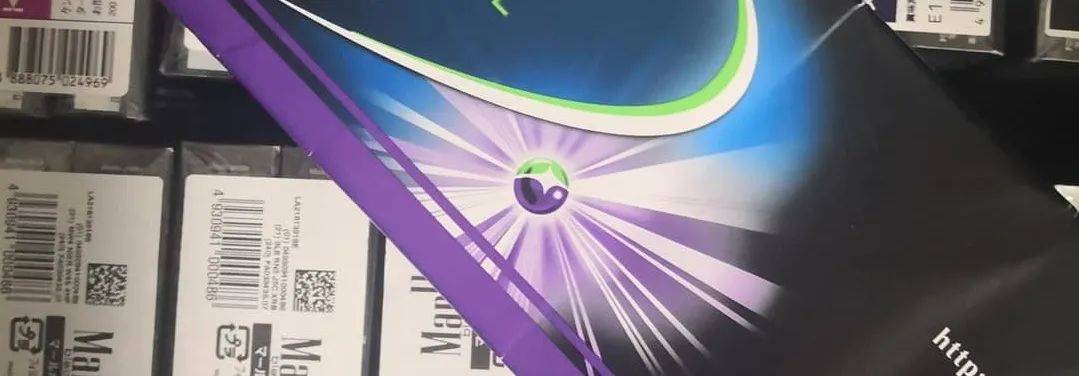
The reason menthol and capsule flavors are favored by the younger demographic is simple: these flavors do not have the bitter and spicy taste of traditional tobacco, but instead provide a cool and smooth throat hit, making them much easier to smoke compared to traditional flavored cigarettes.
Based on these two important factors—improving tobacco flavor and attracting young consumers—many countries have introduced relevant bans on menthol and capsule cigarettes.
In May 2020, the EU's "TPD Tobacco Products Directive" officially came into effect, prohibiting the production and sale of menthol-flavored cigarettes. Although the UK, known for its stringent tobacco control measures, has exited the EU, it has still responded to this ban, prohibiting the production and sale of all "flavored cigarette products" including capsules, beads, and double menthol, regardless of the technology and additives used, but the ban does not include e-cigarettes and heated tobacco products.
This is undoubtedly good news for e-cigarette users, but it is a nightmare for tobacco retailers, as the ban has left a large inventory of menthol and capsule cigarettes unsold.
Before the ban was enacted, major tobacco brands in the UK market, such as JTI, Imperial Brands, British American Tobacco, and Philip Morris, promised to properly recover related product inventories from retailers. However, many tobacco retailers have reported to the media that no one has come to collect the inventory, leaving them feeling "forgotten".
Due to the increasing government control over tobacco, the size of the tobacco market in the UK has been declining year by year. Many cigarette retailers have stated that cigarettes are becoming increasingly difficult to sell, often resulting in large inventories that become harder to liquidate over time. Many retailers have been trying to contact Philip Morris, British American Tobacco, and others, but have not received any feedback. Some store owners have reported that no brand representatives have visited their stores to handle related matters for the past two to three years, and even applications submitted through official channels, with the help of wholesalers, have not resolved the current inventory recovery issues.
A spokesperson for British American Tobacco stated at a press conference that the company had conducted a return campaign for menthol-related products between September and December 2020. Retailers were required to log into a portal and share relevant inventory information so that headquarters could identify affected stores, quantities, and brands. A second phase of the return plan will gradually unfold.
However, the tobacco retail sector in the UK still has not received any inventory recovery plans for banned flavors. As time goes on, the inventory of these flavored cigarettes will become increasingly difficult to handle, leading to either illegal sales in the black market or confiscation. Since the relevant brands have not actually intervened in the inventory recovery, the losses will have to be borne by the retailers themselves.