
The Vaping Brand That Best Understands User Operations: How RELX Connects with Young Consumers
 <\/p>
<\/p>
<\/p> As a representative enterprise in the domestic electronic vaping sector, RELX's membership system is highly referential for peers and other consumer brands in terms of user scale, quality, stickiness, and value extraction.<\/p> The electronic vaping market is like a wounded internet, with the core focus on gathering and developing precise users.<\/p> From RELX's development perspective, speed is the goal. Leveraging capital to increase user numbers, then gaining more capital leverage to further increase user numbers. This is the flywheel model of leading players, achieving a transformation from traffic-based growth to brand-based growth.<\/p> Among many brands, RELX is also known for being the most adept at "operations" in the "internet" electronic cigarette sector, deeply understanding the concept of "user operations". The founding team of RELX largely comes from Fortune 500 internet and fast-moving consumer goods giants, all possessing mature and successful experience in internet brand operation and promotion, with a strong internet operation gene.<\/p>
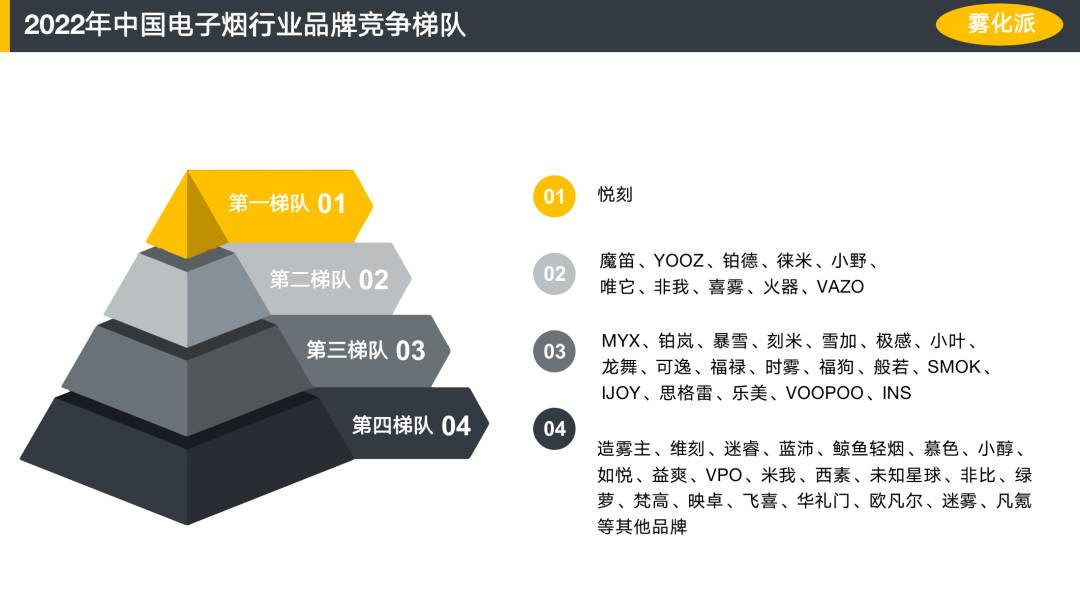
With a dual absolute leading position in market share and mind share, brand value and market share often present a mutually reinforcing positive cycle. When brand management and marketing are well-coordinated, a higher mind share can indeed be transformed into corresponding market share, and RELX is the best example.<\/p>
 <\/p>
<\/p>
In 2019, when the concept of private domain traffic was booming, RELX launched the first app in the electronic vaping industry in August of that year: <\/span>RELX ME.<\/span> Before the "power limit", it quickly gathered a large number of core users and directly engaged with consumers through rich gameplay and cultural atmosphere, fully tapping into the value of the membership system.<\/span><\/p>
In November 2019, after the power limit, it was no longer allowed to publish electronic vaping advertisements online. However, many electronic vaping businesses still managed to promote their brand products through various channels such as WeChat public accounts, brand apps, and short videos, swimming freely like fish that escaped the net (some brands even risked penalties for false advertising).<\/p>
The Vaping faction analyzed nearly 200 articles, including news and WeChat articles from RELX, YOOZ, and MOTI across all platforms, and found that the communication angles were quite similar:<\/p>
① Highlighting social responsibility<\/strong><\/p>
② Lifestyle and youthfulness<\/strong><\/p>
③ Technical accumulation, R&D strength, product innovation, and reputation (stories from store owners and users)<\/strong><\/p>
④ Holiday hotspots ⑤ Membership activities<\/strong><\/p>
More importantly, they construct a youthful and diverse image of electronic vaping users. Their professions vary widely, but they all exude vitality and creativity, such as designers, musicians, advertisers, photographers, and university students. They showcase how they use electronic vaping for companionship, inspiration, and creativity, achieving relaxation, stress relief, and clarity, presenting a sustainable lifestyle and youthful way of living.<\/p>
All of this aims to pursue a more stable operational state, with the goal of creating a solid consumer base.<\/p>
Challenges Facing Brand Growth in the Electronic Vaping Industry:
The main pain points are concentrated in the following two areas:<\/span><\/strong><\/p>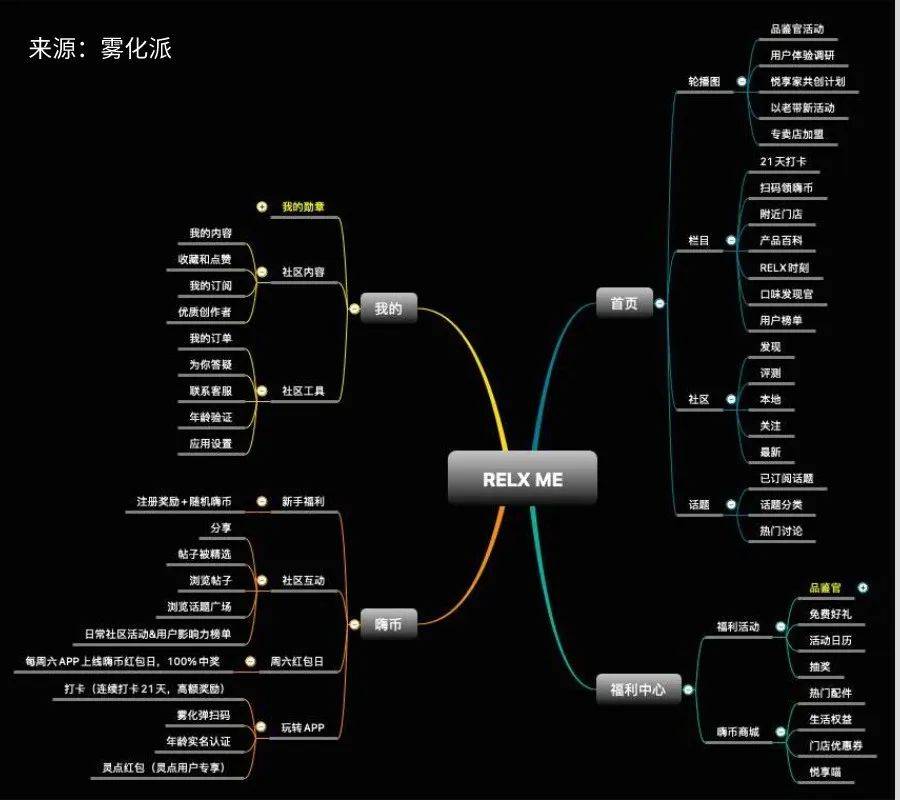 <\/p>
<\/p>
Main manifestations include:<\/strong><\/p>
Current Status of Membership Systems in Electronic Vaping Brands:<\/strong><\/span><\/p>
In practical membership operations, brands and stores often face these issues:<\/strong><\/span><\/p>
1. Is it worth reviving inactive users?<\/p>
2. How to increase member repurchase rates and encourage members to return?<\/p>
3. Why do customers stop coming after discounts? Are discounts really effective?<\/p>
……<\/p>
<\/p>


