UK Shopping Streets Flooded with Tattoo Parlors and Vape Shops (Photos)
A decade ago, betting shops and pawn shops were taking over vacant retail spaces in the UK. Now, tattoo parlors and vape shops are filling this gap - and there are plenty of them.
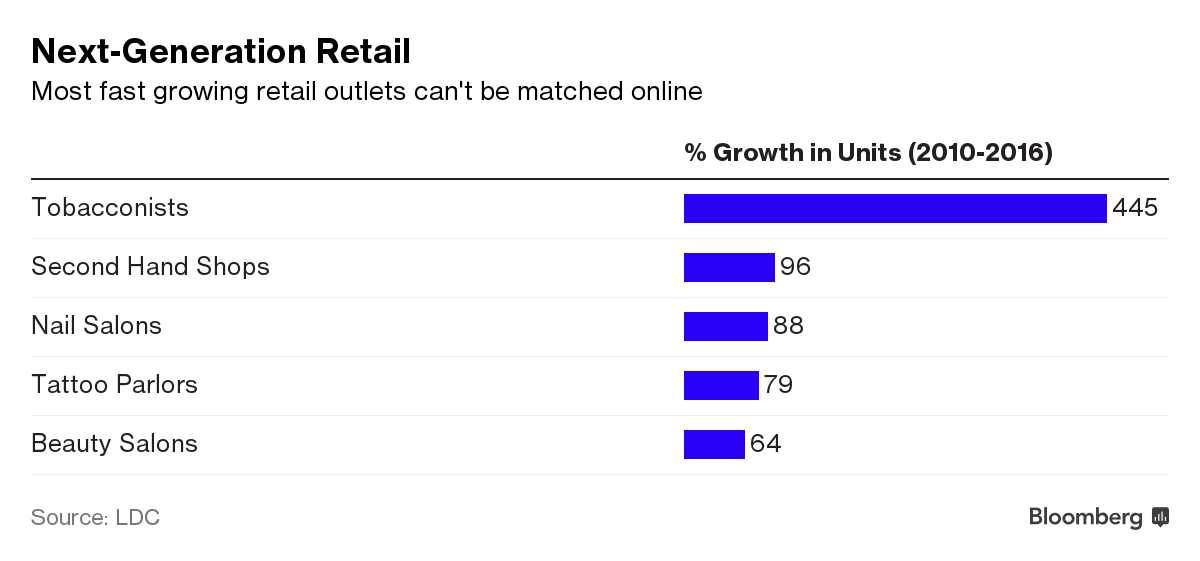
In a city center in the UK, 10 retail points remain unoccupied, according to researchers, following the recent collapse of the BHS department store chain, which left larger spaces vacant. Among those eager to fill this gap are body artists, whose numbers have surged by 79% over the past six years, bringing the total number of tattoo shops in the UK to 2,288, according to retail industry analysts.
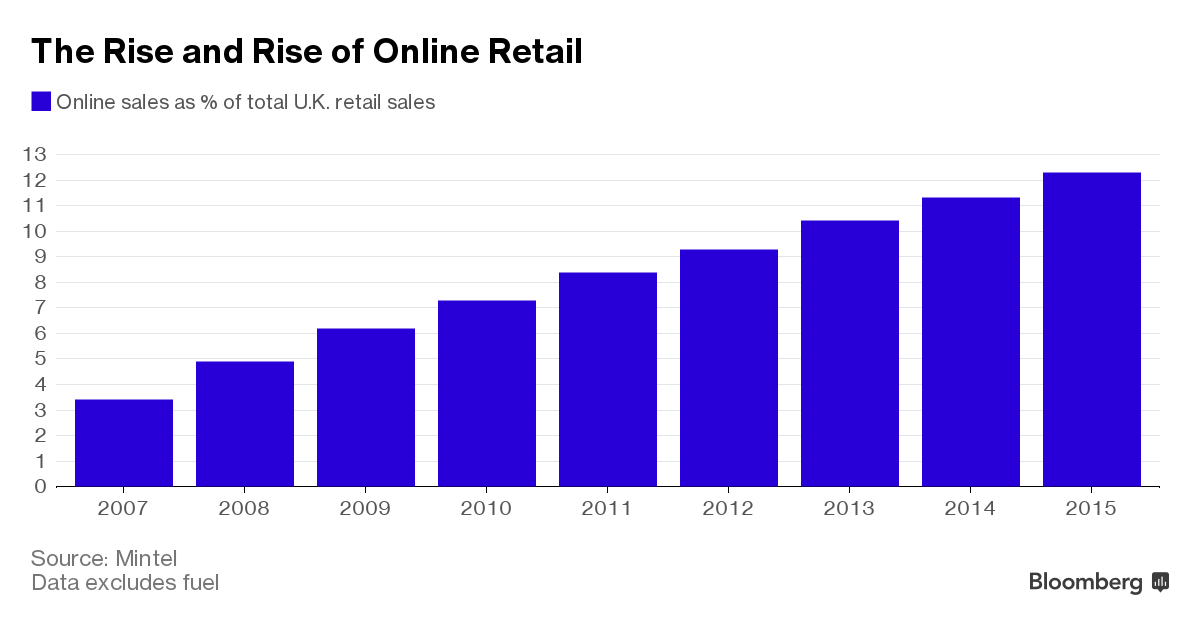
These newcomers are a short-term fix, analysts say, predicting that the UK economy will face challenges from Brexit and more stores succumbing to the rise of e-commerce in the coming years. UK consumers, who are global leaders in online shopping, are increasingly turning to local shops for services and experiences rather than physical goods - but trends like vaping and tattooing can change quickly.
“These are new concepts that have not been tested against the cycles of economic and real estate markets,” said Hugo Clark, a real estate director at Deloitte Consulting. “They are at risk if the economy or consumer behavior changes.”
In the UK’s famous shopping districts, this transformation is embodied by 38-year-old Tom James, who opened the Purple Rose Tattoo Parlor in Bristol, a city in the southwest of England, five years ago. Initially renting only a third of the space, demand was so high that within two months he secured a deal to rent the entire shop. Clients range from a 75-year-old who treats herself to a new tattoo on her birthday to nervous 18-year-olds getting their first ink.
“Social media has played a massive part in their rise, with more celebrities getting them,” James said. “They have become more accepted.”
Free Rent
Football star David Beckham was one of the first celebrities to embrace body art. Even Cherie Blair, the former Prime Minister's wife, has a dolphin tattoo on her ankle. According to a survey last year, about one in five UK adults now has a tattoo.
Landlords are attracting tattoo artists because they cannot find more traditional tenants for vacant properties. One of the most common incentives is offering six months of free rent, said Michael Weedon, former director of the British Independent Retailers Association.
Without tenants, UK commercial property owners bear a business rates tax that is roughly equivalent to 40% of the rental value of the property, according to Deloitte's Clark.
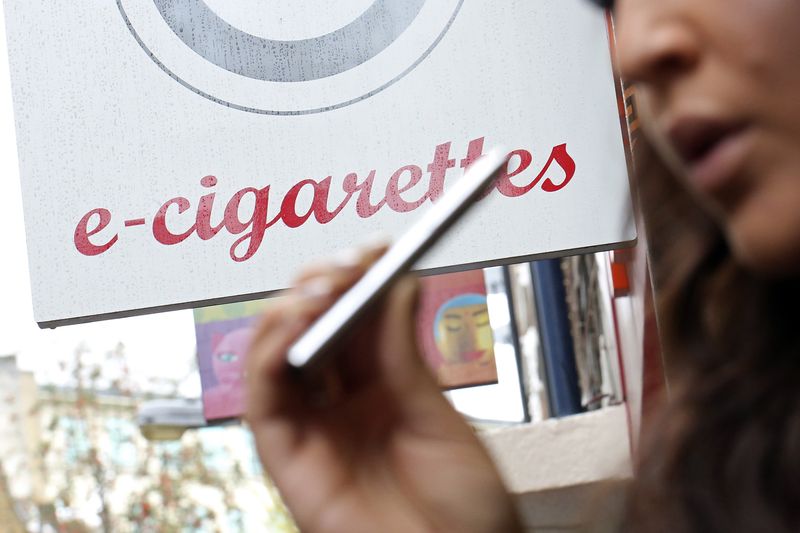
Another feature of UK shopping streets is the increase in vape shops. Over the past six years, the number of tobacco shops - primarily e-cigarette retailers - has more than quadrupled to 1,783.
Vape Mall was established in 2013 by 38-year-old Andy Logan to provide modern alternatives for smokers looking to quit traditional cigarettes. Logan's shops in Hampstead and Richmond in London employ former smokers who assist health-conscious customers seeking a less harmful nicotine hit.
“People come in, their bodies shaking from the thought of giving up cigarettes,” he said. “They are anxious, and we need to reassure them in front of these people.”
By offering consultations and tactile experiences, businesses like Purple Rose and Vape Mall are providing customers with something they cannot get online. Having a bit of inventory also helps keep startup costs low and means they can operate from smaller spaces.
The popularity of tattoo shops and vape stores may just be a fleeting trend. But faced with the prospect of empty storefronts, retail landlords, “beggars can’t be choosers,” said independent retail analyst Richard Hyman.