
Jirui E-Cigarettes Master Core Technology and Put Made in China 2025 into Practice
In this year’s government work report, the concept of “Made in China 2025” sparked widespread discussion. As a leader in the vaping industry, Huizhou Jirui Technology Co., Ltd. has undoubtedly long been a quiet practitioner of “Made in China 2025.”
At the recently concluded Third Session of the 12th National People’s Congress, Premier Li Keqiang stated in the government work report that manufacturing is one of China’s strengths. China should implement “Made in China 2025,” accelerate the transition from a major manufacturing country to a manufacturing powerhouse, and promote the transformation of Chinese manufacturing from big to strong, so that “Made in China” includes more elements of “Created in China.”
The founder of Jirui Technology, with extensive manufacturing experience, has a keen understanding of Chinese manufacturing and an advanced manufacturing mindset. As early as the company’s founding, Jirui Technology proposed that its vaping products should emphasize product R&D, technological accumulation, and the adoption of the DOM business model.
As is well known, the e-cigarette was invented in 2004, but it was not until 2009, with the emergence of second-generation e-cigarettes represented by Jirui’s KIMONE, that e-cigarettes began to be sold on a large scale worldwide. In every year since, Jirui Technology’s new products have become leaders in that year’s vaping trends. In March 2015, Jirui Technology had just launched its fifth-generation high-appeal new products, including JS032, JS034, and JS302, when industry players began calling and writing in to discuss agency partnerships.
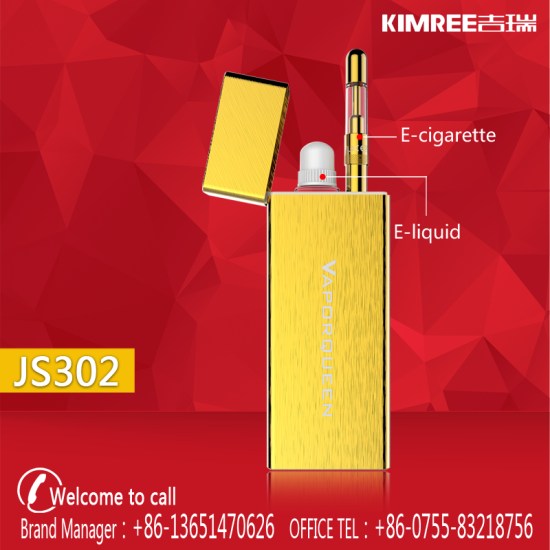
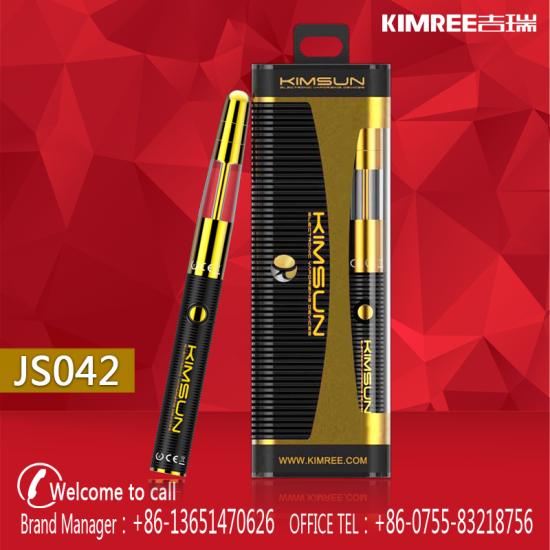
At present, Jirui Technology has applied for more than 2,500 patents in China and abroad, and was named among the “Top 10 International Patent Applicants of 2014” alongside Huawei and ZTE.
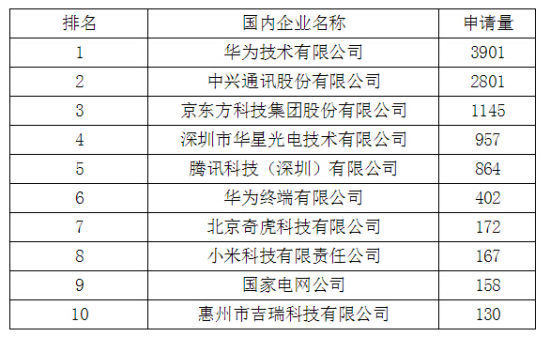
Jirui Technology was listed among the top 10 international patent applicants in 2014
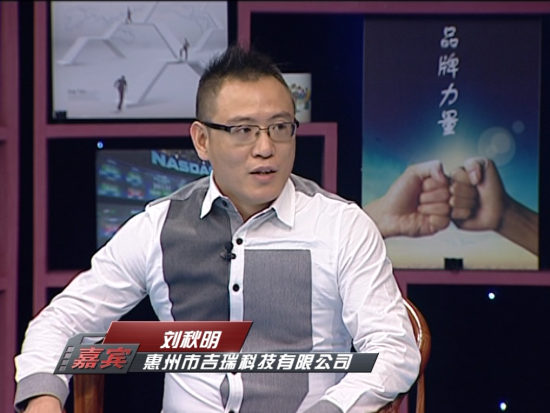
Mr. Liu Qiuming, chairman of Jirui E-Cigarettes, also publicly disclosed Jirui’s new business model—the DOM model—for the first time in an interview with CCTV’s Witness to the Brand program. The DOM model’s emphasis on product R&D and patent portfolio development closely aligns with Premier Li Keqiang’s “Made in China 2025.”
DOM stands for Design Original Manufacturer, which translates literally as “design original manufacturer.” The DOM model is defined as a business model in which a factory possessing a portfolio of core technology patents works together with brand owners that have distribution channels, creating a new industry ecosystem based on joint development and mutual benefit. The key difference between DOM and OEM/ODM lies in the strong ownership of intellectual property patents. The success of the DOM model depends on the central importance of those patents within the industry, their inescapability within the sector, the international scope of patent applications, and the shareability of the patents.
Mr. Liu said that Jirui Technology, whose vision is to “become a respected industry leader that provides customers with high-quality products,” as a successful practitioner of both the DOM model and “Made in China 2025,” will continue contributing to the creation of “world-class manufacturing” in China’s manufacturing sector and help lead the vaping manufacturing industry toward an “intelligently made” future.


