
Under the pandemic, the global vaping supply chain slowed as growth weakened
According to data from the China Electronic Chamber of Commerce's Electronic Cigarette Industry Committee, the domestic and international electronic cigarette industries have faced varying degrees of opportunities and challenges since the pandemic began:
China: China is the global production base for electronic cigarettes, accounting for 95% of the global market share in smoking devices. The United States and the United Kingdom are the world's largest and second-largest consumers, respectively, and are the most important markets for Chinese electronic cigarettes. Domestic electronic cigarette companies gradually resumed work by the end of February, achieving full staffing by March. During the pandemic, overseas orders surged, with exports estimated at 10 billion RMB from January to April, remaining on par with the same period in 2019, and experiencing rapid growth in April. Many domestic electronic cigarette companies are also increasing their investment, including in product research and development and equipment, to enhance their capabilities during this "special period." We believe this indicates optimism among practitioners regarding the future development of the industry.

United States: The U.S. is the largest consumer market for electronic cigarettes, accounting for over 50% of the global market share, and is a bellwether for the industry. According to data from the Vapor Technology Association (VTA), the impact of the pandemic began in mid-March. First, imports slowed, preventing distributors from transporting products. Among the 43 states that implemented stay-at-home orders, only 10 states had electronic cigarette retail stores still operating, and 3 states only allowed curbside delivery. However, these stores also faced difficulties in sourcing their own products. E-liquid manufacturers in the U.S. even converted their production lines to produce hand sanitizer to support pandemic efforts. By June, nearly all states had reopened, with only a few areas remaining closed. Notably, at the request of the VTA, the FDA extended the PMTA deadline for electronic cigarette companies from May 12, 2020, to September 9, 2020, giving global companies looking to enter the U.S. market more time. Currently, leading Chinese electronic cigarette companies such as Myle (whose parent company Smoore has been listed on the Hong Kong stock exchange) and RELX are preparing for the PMTA.

United Kingdom: The UK is the most supportive country for electronic cigarettes globally and is the second-largest destination for Chinese electronic cigarette exports. According to data from the UK Vaping Industry Association (UKVIA), there are currently over 3,000 electronic cigarette shops in the UK, a 10% increase from last year. Electronic cigarette retail stores suspended in-store services on March 24 and reopened in mid-June. Overall, total sales decreased by 30%-60%, with sales of open-system electronic cigarette products dropping by 60%. However, many stores transitioned to online sales and offered delivery services, resulting in a 1500% increase in online sales. Additionally, due to government subsidies, these stores saw profits rise despite a decline in revenue. UKVIA believes that the supply chain in the UK was primarily affected by insufficient supplies from China during the pandemic, highlighting the need to establish a stable and secure supply chain with China.
Europe: According to data from the European Electronic Cigarette Association (IEVA), due to the pandemic, physical electronic cigarette stores in Germany and most EU countries were required to close starting in March and gradually reopened by mid-May. During the pandemic, electronic cigarette sales were impacted, leading wholesalers and factories to face inventory backlogs and cash flow pressures; electronic cigarette trade shows were also canceled during this period. Additionally, strict health standards imposed by the government and rising shipping costs resulted in an overall increase in product costs of about 10%-20%, which wholesalers primarily absorbed, keeping wholesale and retail prices stable. IEVA predicts an 8.0% growth rate for the European electronic cigarette market in 2020. Currently, open-system electronic cigarette products remain popular among European consumers, and the association believes that a robust consumer base (including those transitioning from other products and experienced consumers) will be the main potential for the future European market.
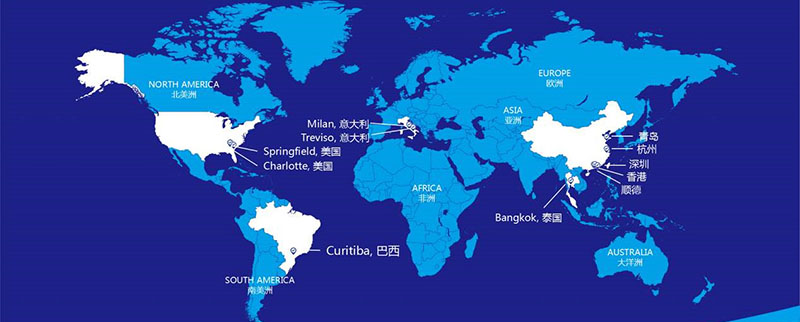
Recent recommendations for new tobacco: International supply chain: Smoore (the world's largest manufacturer of atomization devices); EVE Energy (stakeholder in Smoore); Yinchuan Technology (secondary supplier of precision parts for IQOS). Domestic supply chain: Jinjia Co. (partnering with Yunnan Tobacco and Xiaomi's ecological chain to position itself in the new tobacco main channel), Jiyou Co. (laying out new tobacco research and industrialization), Dongfeng Co. (investing in new tobacco products), Shunhao Co. (dual approach in the layout of pods and devices), Huabao Co. and Huabao International (leading in flavoring and new tobacco raw materials), and China Borton (acquiring international electronic cigarette manufacturer Jirei).


