What is nicotine? The main addictive substance in cigarettes
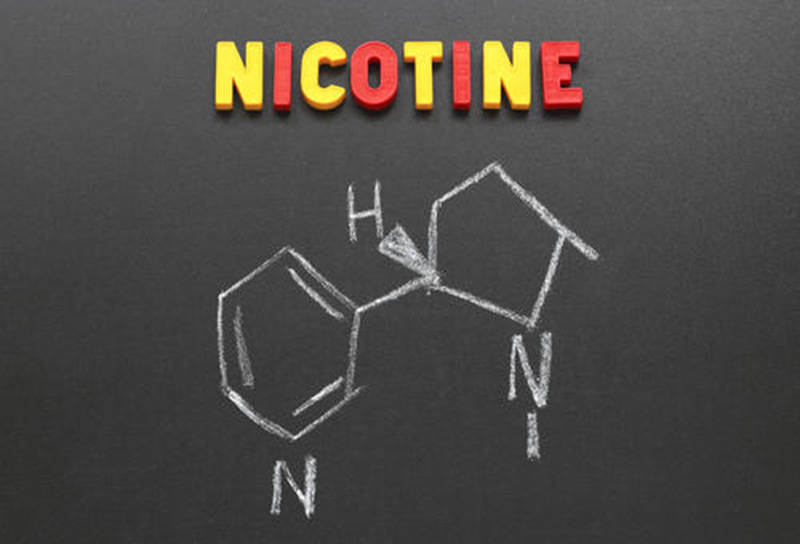
Nicotine is a highly addictive substance that occurs naturally in tobacco. It is the active ingredient in tobacco smoke. It has a pungent smell and a spicy taste. Nicotine is defined as a toxic, oily, pale yellow substance that turns brown when exposed to air. This chemical can be concentrated and used as a potent insecticide.
Many new agricultural insecticides use nicotine as an active ingredient.
The nicotine content in tobacco leaves ranges from 2% to 7%. A smoker inhales about 3 milligrams of nicotine per cigarette. Even small amounts can constrict blood vessels, increase heart rate, and affect the central nervous system. It also gives smokers a sense of health and alertness.
Some people smoke for its stimulating effects.
Nicotine mimics the action of acetylcholine, a neurotransmitter that primarily acts on the autonomic nervous system. Therefore, it can be dangerous. A dose of less than 50 milligrams can lead to respiratory failure and paralysis. Small amounts can cause nausea, dizziness, low blood pressure, and palpitations.

Smokers become addicted to nicotine.
Nicotine itself is not considered carcinogenic. However, it is likely to increase the incidence of heart disease among smokers. It may also promote the growth of tumors caused by carcinogens.
Methods of nicotine administration include nasal sprays and inhalers.
Anyone using tobacco products will develop a physiological addiction to nicotine. This chemical has been shown to increase the flow of the neurotransmitter dopamine, creating pleasurable feelings in users and a desire to maintain that feeling. When the levels in the blood drop, smokers may experience withdrawal symptoms within 48 to 72 hours after finishing their last cigarette. These symptoms include anxiety, sleep difficulties, irritability, changes in heart rate and blood pressure, changes in brain waves, and sleep problems.

These symptoms are so unpleasant that most smokers continue to smoke, trying to elevate their nicotine levels in the blood until the symptoms subside.
Smokers inhale 3 milligrams of nicotine per cigarette.
Many people try nicotine gum and patches in an attempt to quit smoking. These methods absorb nicotine more slowly than smoking and do not provide the same pleasure; however, gums and patches can help alleviate withdrawal symptoms. It is important not to mix gum or patches with cigarettes, as this can lead to toxicity and overdose, resulting in headaches, palpitations, and nausea.

Nicotine patches deliver a slow and steady flow of nicotine into the bloodstream throughout the day.
Other methods of nicotine delivery include nasal sprays and inhalers, which are closer to the way this chemical is obtained through smoking. Long-term use of these products is not recommended, especially inhalers, as studies have shown that prolonged use can damage the cells lining the lungs and blood vessels.