
How Much Do You Know About PG and VG in E-Liquid?
PG-and-VG
When it comes to e-liquid, two technical terms arise: VG and PG. This can be a bit confusing for newcomers, as most new vapers only recognize them as important components of e-liquid. However, understanding these two ingredients can greatly enhance your vaping experience. Therefore, here is an easy-to-understand guide on what you need to know about VG and PG.
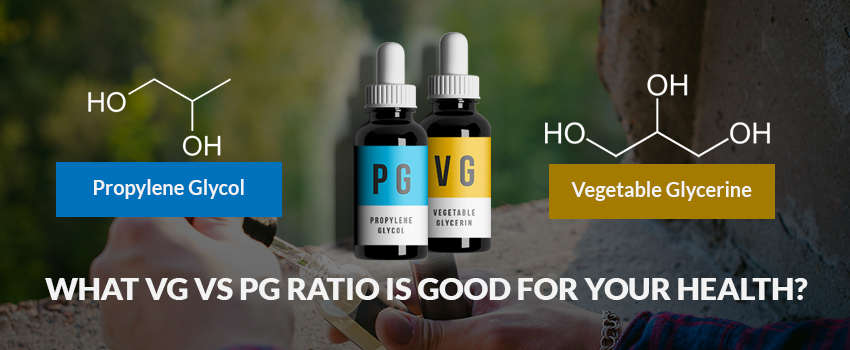
Propylene Glycol (PG)
Propylene Glycol (PG)
PG stands for propylene glycol, a petroleum byproduct. This fluid is odorless and colorless, with a lower viscosity than VG. In e-cigarettes, it is used to provide a "throat hit," which some users claim feels similar to smoking. It is also more effective than VG, making it the most commonly used carrier for concentrates and nicotine.
The propylene glycol found in commercially produced e-liquids is food-grade, recognized as safe by the FDA, and primarily used as a solvent and humectant, found in food, cosmetics, tobacco products, medical supplies, and even e-liquid.
Vegetable Glycerin (VG)
VG stands for vegetable glycerin. It is a natural chemical derived from vegetable oils, making it safe for vegetarians. It is commonly used in e-liquids to give vapor a "thick" feel. VG is slightly sweet and thicker than PG. Vegetable glycerin provides a smoother throat hit than propylene glycol, making it more suitable for vaping. While nicotine and flavorings are typically suspended in PG, some suppliers offer VG alternatives for a 100% VG blend.
Like PG, it is also a widely used ingredient in everyday life. Observant friends can find it in cosmetics, baked goods, food additives, dental care products, etc. The main role of VG in e-liquid is to produce vapor.
Safety of PG
Studies have shown that PG is safe for oral consumption, and the FDA considers it "generally recognized as safe" for use as a food additive. However, most studies on the safety of propylene glycol have focused on ingestion rather than aerosol inhalation. In limited studies, a long-term experiment conducted in 1947 concluded that inhaling PG was "completely harmless."
A 2010 study looking for platinum group elements (a mixture of propylene glycol and ethylene glycol ethers) suggested an increased risk of respiratory and immune system diseases in children, such as asthma, hay fever, and eczema. However, it was determined that ethylene glycol ethers, rather than PG, were more likely the cause. Considering the evidence, it is wise to believe that PG can be safely inhaled, but more comprehensive studies are needed to confirm this.
Many rumors in the media falsely claim that PG is a toxic substance used in antifreeze. However, there are two types of antifreeze: toxic and "non-toxic." Toxic antifreeze uses a hazardous substance called ethylene glycol, which is not used in vaporization. PG-based antifreeze is used in food processing machinery, where toxic antifreeze may pose a problem.
While PG is safe for humans, it can be harmful to some pets. As an additive in dog food, it is very safe, but it is associated with Heinz anemia in cats. If you are using PG-based e-liquid, be cautious around your pets, especially cats.
Safety of VG
The FDA has classified VG as "recognized as safe" and is widely considered one of the most benign substances known to humans. The widespread use of VG in food and medicine indicates that it is safe for humans. However, like PG, research on VG inhalation rather than ingestion is also limited and requires further detailed studies.
It is worth noting that the risk of allergic reactions to vegetable glycerin is very low, making it a useful alternative for those who experience issues with PG-containing e-liquids. If you are allergic to palm oil or coconut oil, VG may pose a problem, but this is relatively uncommon. Diabetics may encounter metabolic issues with VG, but this should not be a concern when using e-cigarettes.
What to Watch Out for When Using PG and VG in E-Liquids?
Some people find high PG to be irritating to the throat. True allergies to PG are rare, but there have been reports. If you notice a rash or other adverse reactions after using PG-based e-liquids, you may have a more common mild sensitivity to PG and should consider using high VG e-liquids.
The most common side effect of using high VG e-liquids is dehydration symptoms: dry mouth, sore throat, and increased thirst. It is recommended to drink plenty of water in the first few weeks of using e-cigarettes.
Quality e-liquids should use food-grade materials, meaning they can be used as food ingredients. Some imported or domestically produced e-liquids must pass FDA certification to prove they are harmless to the human body before being allowed for sale. Therefore, when purchasing e-liquids, it is best to choose reputable brands and trustworthy merchants. Avoid trying e-liquids from unregulated manufacturers, as they are not hygienic and can harm your health.
Pros and Cons of VG and PG E-Liquids
VG-PG-ICE-VG
Advantages of VG
- Large vapor production
- Healthier, fewer allergic reactions
- Natural sweetness
- Comfortable throat hit
Disadvantages of VG
- Thick e-liquid, difficult to wick
- Poor throat hit
- Sweetness may overpower flavor
- Can cause dry mouth and phlegm buildup
Advantages of PG
- Easy to mix with flavorings
- Strong throat hit
- Good wicking properties
Disadvantages of PG
- Although recognized as safe by the FDA, there are still reports of adverse reactions
- E-liquids may require sweeteners to enhance sweetness


