
Bet You Didn’t Know: The Heating Coil in a Dripping Atomizer Can Also Be Dry-Cleaned!
Clean the coil,Generally used in oil dripping atomizers。In the case of serious carbon deposits but the heating wire has been used up, some people will choose to use water to remove the carbon deposits.
However, water is a conductor. If you accidentally get into the base of the atomizer or the inside of the equipment, it can easily cause an accident.
Therefore, it is generally not recommended to clean the coil. If you have no choice, you may wish to choose dry cleaning. Dry cleaning does not require contact with water, is less dangerous, and will not form scale on the heating wire.
?
Here is a demonstration of how to "dry clean" heating wires:
?
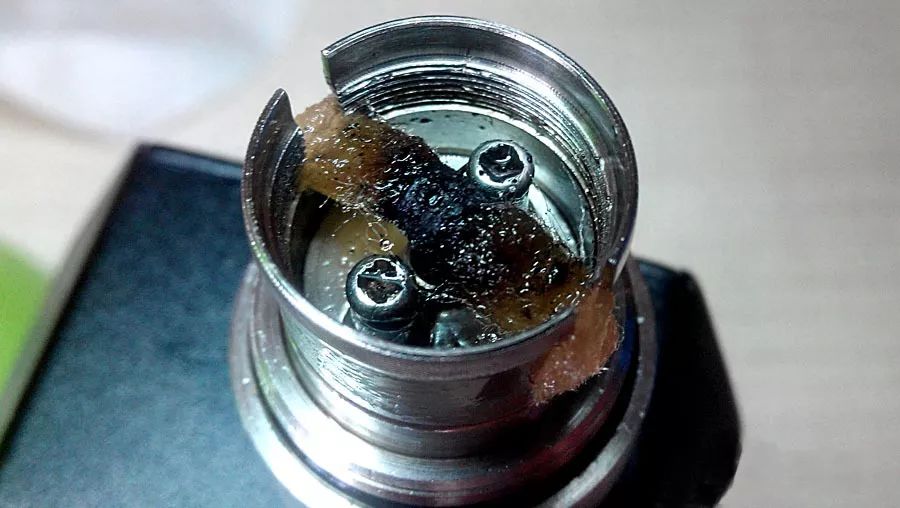
First take a look at the coil before cleaning: carbon deposits and blackening of oil-conducting cotton seriously affect the reduction degree of tobacco oil and the taste of smoke.
?
?
Step.1 Remove cotton
?
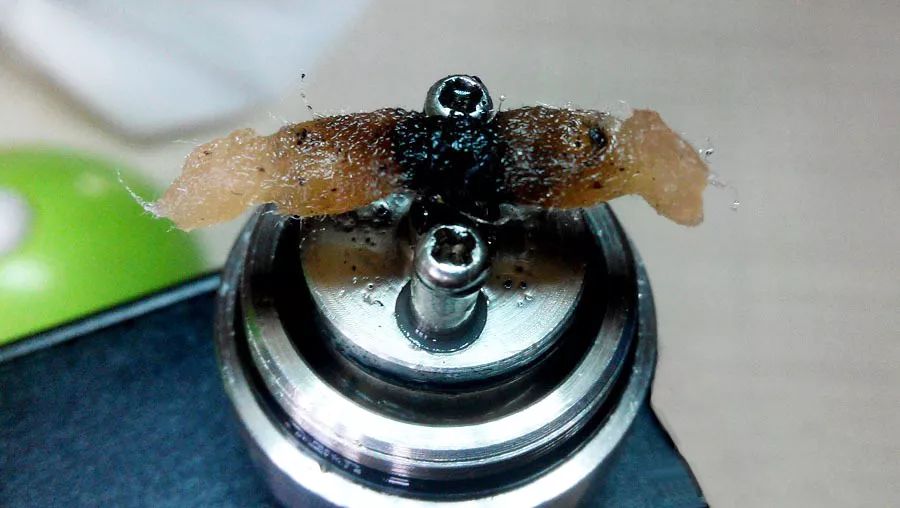
Remove the wall of the atomization chamber, cut off the cotton on one side against the edge of the coil, then clamp one end with tweezers and gently pull it out.
?
 #p#Pagination Title #e#
?
Step.2 Burn away attachments
?
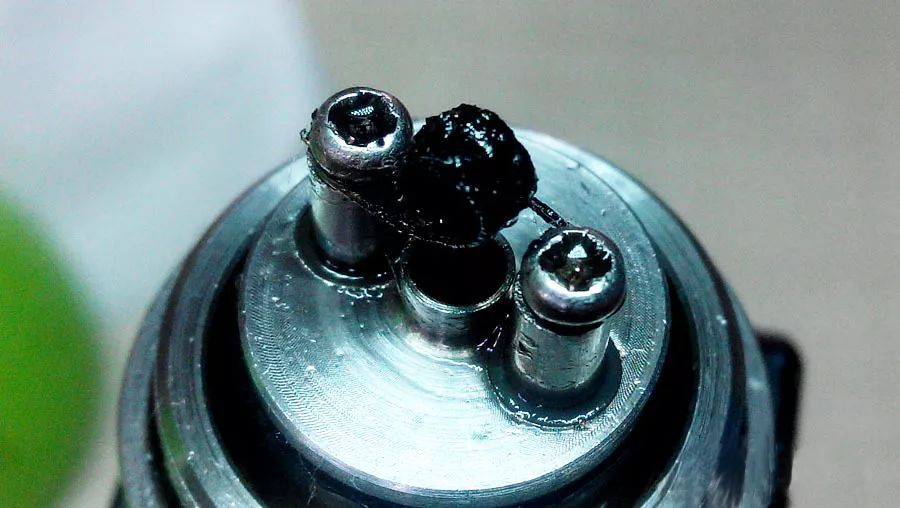
After removing the cotton, you can see that the coil is completely wrapped in carbon deposition and tobacco oil. In this case, the fog making experience will certainly not be any better.
?
At this time, you can press the fire button to burn the heating wire red, and then release the button until the coil cools. Repeat this several times and first burn the attachments on the coil clean.
?
?
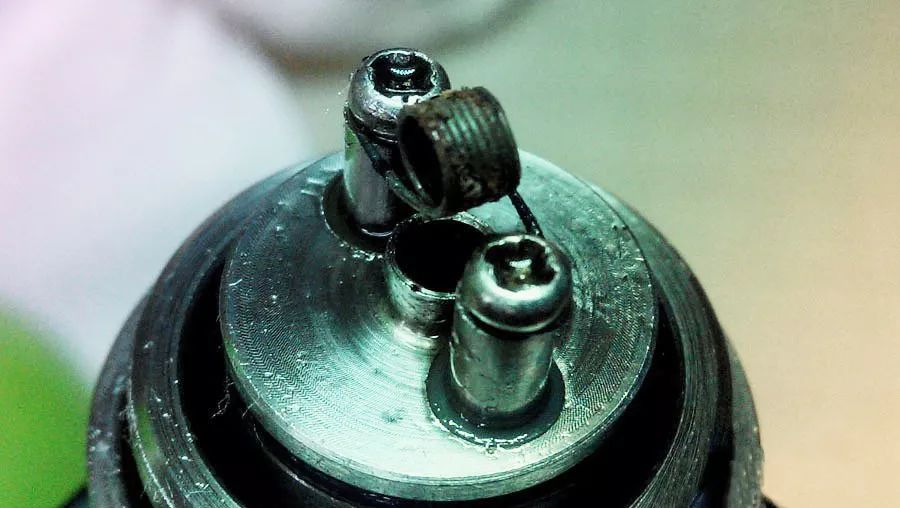
After heating it a few times, the coil will reveal its true colors. All that remains is stubborn carbon deposits adhering to the surface.
?
?
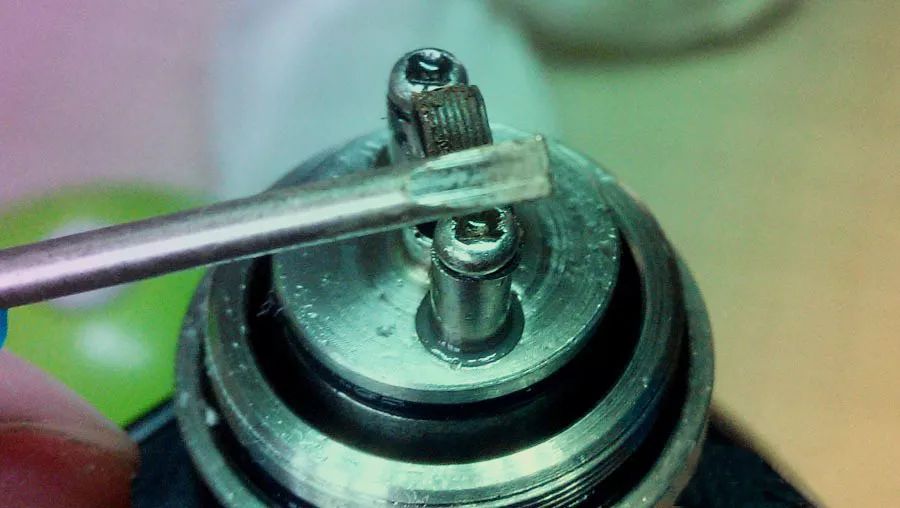
Step.3 The one-word screwdriver appears
A small one-word screwdriver that comes with most equipment. Attention! Make sure you have one word, not a cross.
?
 #p#Pagination Title #e#
?
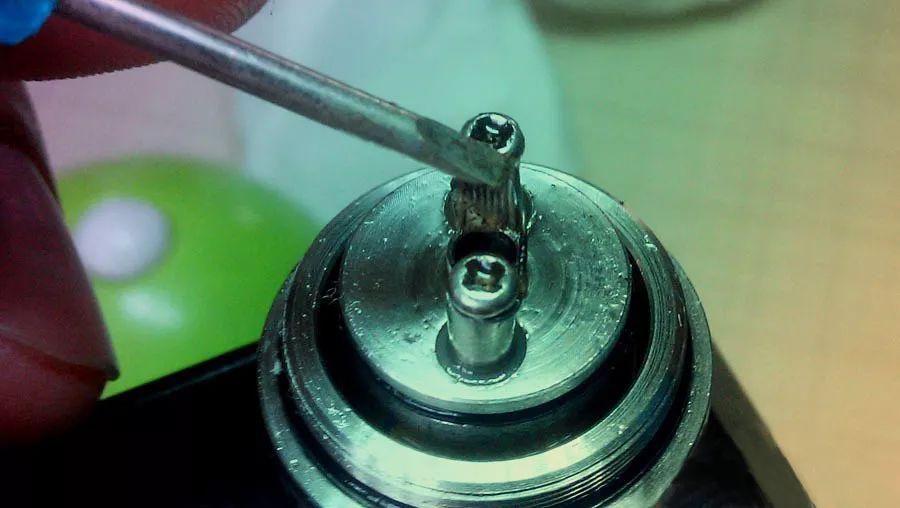
Then use a small screwdriver to scrape the coil from one side to the other. But pay attention to the scraping force. Too much force will scrape the coil apart, and too light will have no effect on carbon deposition. Change the angle more and try to scrape off all the carbon deposits around the coil.
?
?
Step.4 Oil drop quenching
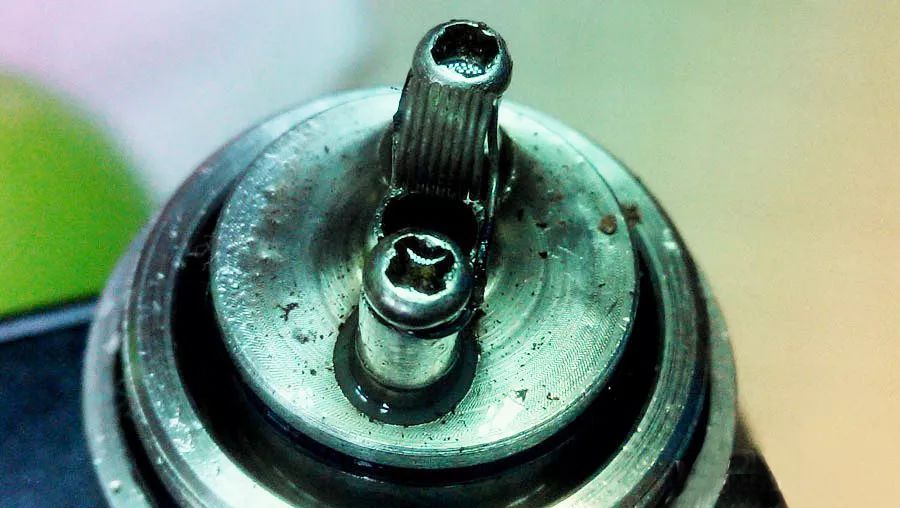
After the carbon deposits are basically removed, heat them repeatedly several times, and drop a drop of tobacco oil on the coil to quench them. Tobacco oil will wash away any remaining dirt.
?
Tobacco oil will burn when exposed to high temperatures, so don't worry, just let it go out automatically after burning. But be sure to pay attention to safety and beware of fires!
?
?
Step.5 Clean and wipe off burning materials
?
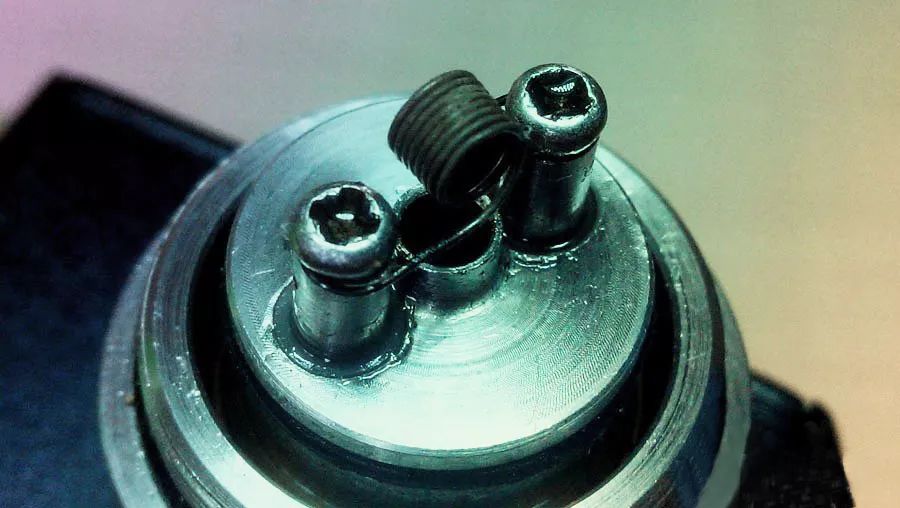
After burning all the smoke oil on the coil, clean up the carbon deposits and combustion materials at the bottom of the atomizer.
?
#p#Pagination Title #e#Tips:Never use regular tissue orcotton towelGo wipe it!Confetti will fall, and the more you rub it, the dirtier it becomes. You can prepare a small piece of special "nano towel, dry hair towel" to clean the atomizer, with good results and no traces left.
?
?
Step.6 Put on cotton again
?
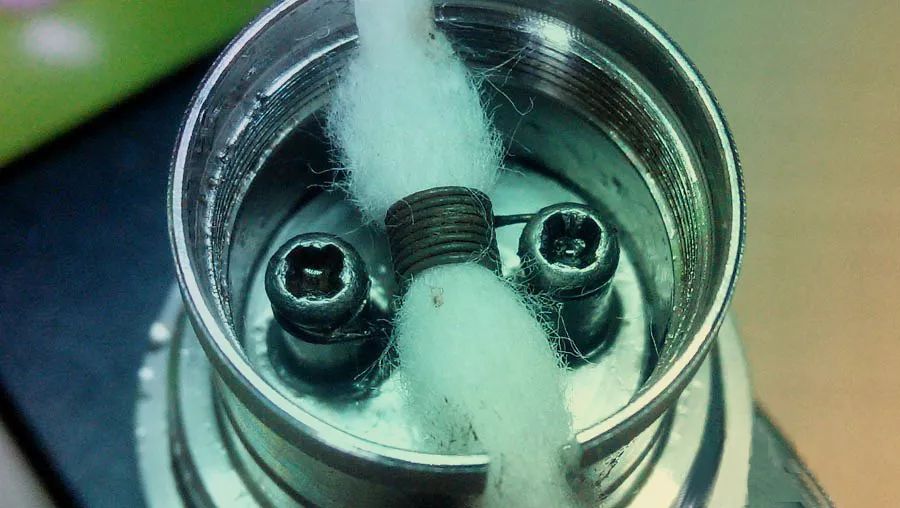
Finally, put on cotton again and you are done! Add tobacco oil and take a puff and you will find that it tastes as good as the new coil!
?
?
factIn fact, this kind of trouble is more troublesome than making a new coil, but if Vaper wants to satisfy his curiosity or has just run out of heating wires, this kind of coil dry cleaning method may as well be tried.


