We previously discussed some issues surrounding so-called ‘headrush vapes’ in an earlier article. In reality, these are not genuine vaping products at all, but a new type of illicit drug disguised under the name of e-cigarettes. On May 13, the Focus Inter
Regarding "headrush vapes," some questions were previously addressed in the article "The Proliferation of 'Headrush Vapes' Finally Curbed." The term "headrush vapes" does not refer to actual vapes but rather a new type of drug that masquerades as vaping products. On May 13, the program "Focus Interview" exposed a banned product called "headrush vapes," which trended on Weibo and garnered nearly 200 million views. While it became a hot topic among netizens, it also confused many vaping users.
Are "headrush vapes" related to legitimate vaping products? How can one distinguish this new type of drug? Recently, anti-drug committees from various regions, including Hunan, Beijing, and Nanjing, have provided clear answers to these questions.
How to distinguish "headrush vapes" from legitimate products?
In the cases exposed by the media, most victims initially fell into the trap of this new drug due to "a misunderstanding." For example, a person named Xiao Wang (pseudonym) reported that he initially thought he was using a regular vape because he saw many people around him using vapes. He used the "headrush vape" for two months, resulting in abnormal mental states and an inability to continue working, ultimately seeking help from a rehabilitation hospital.
In reality, "headrush vapes" and legitimate vaping products are entirely different. The Hunan anti-drug department explained the differences between the two:
Firstly, in terms of appearance, "headrush vapes" are typically pen-shaped, about 30cm long, containing a colorless, yellowish to brown viscous liquid. This form is distinctly different from the appearance of common legitimate vapes.
Secondly, regarding composition, according to Hunan anti-drug officials, the main components of regular vapes are water, propylene glycol, glycerin, nicotine, and flavorings.
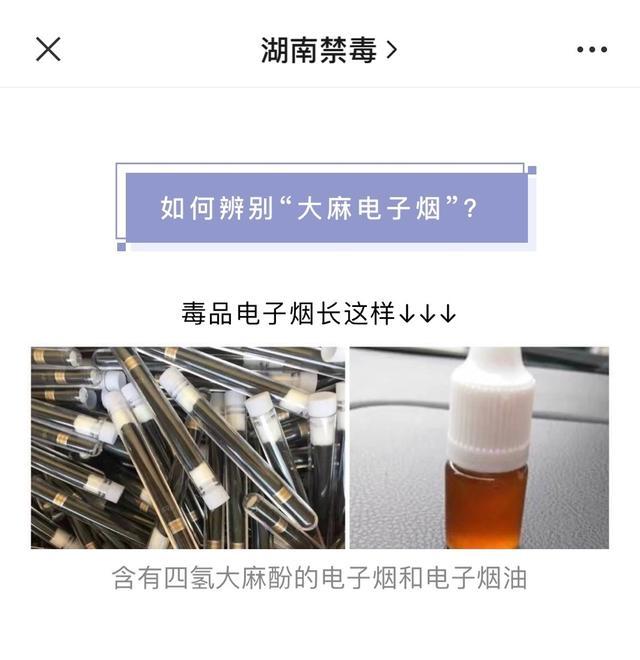
In contrast, "headrush vapes" are adulterated with tetrahydrocannabinol (THC) or synthetic cannabinoids, which pose significant harm to the human body.
THC is the harmful component of marijuana, and users may experience effects such as hallucinations, anxiety, depression, mood swings, and confusion after consumption. Long-term use can lead to weakened immunity, mental disorders, and suicidal tendencies.
The synthetic cannabinoid AMB-FUBINACA (or MDMB-CHMICA) is even more harmful than THC; at the same dosage, its toxicity can exceed that of heroin, with 1 gram equivalent to 5.5 grams of heroin. This leads many marijuana users to unknowingly experience "crashing" symptoms, which are signs of overdose.
On May 11, the National Narcotics Control Commission, the Ministry of Public Security, the National Health Commission, and the National Medical Products Administration jointly announced that all synthetic cannabinoids would be classified as controlled substances. This announcement will take effect from July 1, 2021.
This announcement further clarifies the fundamental legal differences between legitimate vaping products and "headrush vapes."
Disguised as vapes, these banned products tarnish the reputation of legitimate vaping.
Xu Jie, director of the detoxification department at Beijing Gaoxin Hospital, stated in a media interview that cases of "headrush vape" use have rapidly increased in the past two years. In the first half of 2019, Xu encountered patients using "headrush vapes" for the first time, and by the end of 2020, he had seen over a hundred such cases.
Why are so many people falling for this illegal product? Ultimately, it is because "headrush vapes" wear the guise of legitimate vapes, making them highly deceptive and confusing.
According to information released by the China Anti-Drug Network, drugs are classified into three generations: the first generation includes traditional drugs (like marijuana), the second generation includes synthetic drugs (like meth). These two are well-known banned substances.#p#Page Title#e#
However, around 2010, to evade law enforcement, criminals began chemically modifying controlled substances, resulting in over a thousand new drugs. These new drugs are often mixed into common food and beverage products, making it easy for unsuspecting individuals to fall victim.
Beijing's anti-drug department has listed many examples of new drugs, such as tobacco containing synthetic cannabinoids, colorful "blotters," "multivitamin capsules" containing psychoactive substances, and "sports drinks" that cause hallucinations and memory loss.
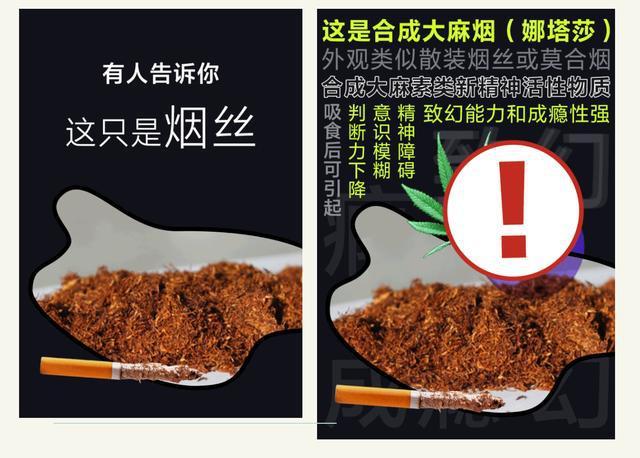
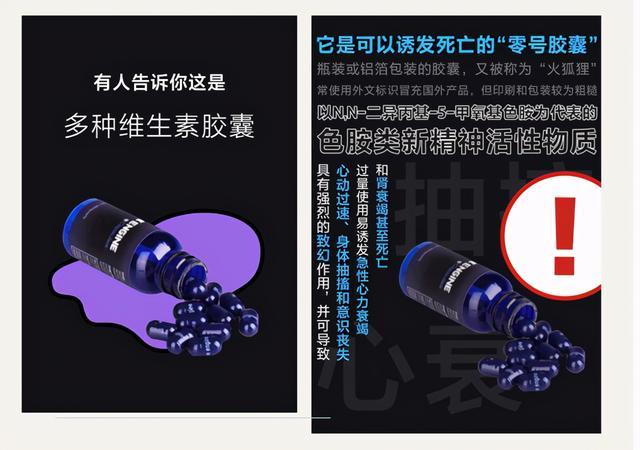 The same logic applies to "headrush vapes." Additionally, these illegal products are often sold online, with advertisements frequently containing words like "headrush," "flight," and "pleasure."
Although the "Focus Interview" program has deliberately distinguished this new drug from legitimate products, the alarming packaging methods have unjustly tarnished the reputation of the legitimate vaping industry.
Currently, public security agencies across the country have begun cracking down on the producers and sellers of illegal online "headrush vapes." Consumers should immediately associate the term "headrush vapes" with new drugs and avoid venues with mixed crowds and poor management to prevent falling into the trap. If you encounter someone selling "headrush vapes," do not try it out of curiosity, and report it to the authorities to protect your legal rights.
The same logic applies to "headrush vapes." Additionally, these illegal products are often sold online, with advertisements frequently containing words like "headrush," "flight," and "pleasure."
Although the "Focus Interview" program has deliberately distinguished this new drug from legitimate products, the alarming packaging methods have unjustly tarnished the reputation of the legitimate vaping industry.
Currently, public security agencies across the country have begun cracking down on the producers and sellers of illegal online "headrush vapes." Consumers should immediately associate the term "headrush vapes" with new drugs and avoid venues with mixed crowds and poor management to prevent falling into the trap. If you encounter someone selling "headrush vapes," do not try it out of curiosity, and report it to the authorities to protect your legal rights.



