AKSO launches a device-and-pod combo for 8.6 RMB — market disruption or breakthrough?
Source: Excerpted from the WeChat public account Yise
After low-priced entry-level pod device sticks such as MOTI at 8.8 RMB, YOOZ at 9.9 RMB, and VTFL at 19.9 RMB stirred up the market, JVE went even further and slashed the price of its pods from 99 RMB to 59 RMB. This series of aggressive moves by new brands has left both the market and consumers dazzled, drawing massive attention and interest, while also making many established brands envious and frustrated. It seems that without some bold new tactics, they may not be able to win back the market that is slipping away.
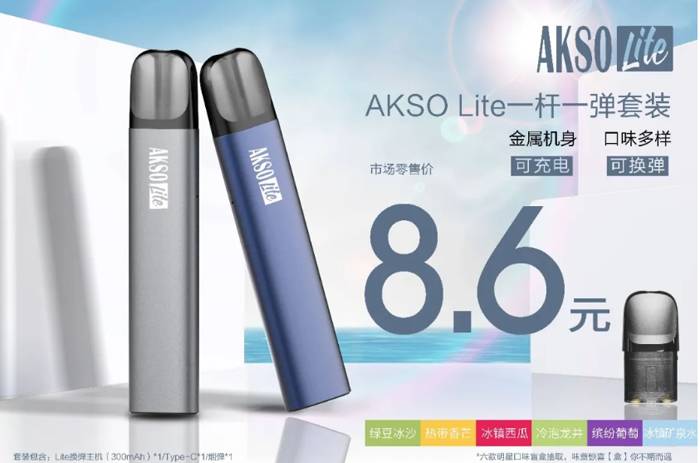
On April 23, AKSO, a brand under long-established vaping company Haishige with ten years in the industry, made the first move by launching the AKSO Lite device-and-pod combo at just 8.6 RMB. A standalone device? Separate pods? Cutting prices one by one? No need. AKSO bundled them together in one shot.
At 8.6 RMB—less than the cost of a single pod—they are daring to offer both a device and a pod. With a move this aggressive, how can product quality be guaranteed? Once the product reaches the market, will it embarrass competitors or damage its own brand? That will depend on the product quality.

According to currently available information, the AKSO Lite product priced at 8.6 RMB features an integrated aluminum-alloy body, a 300mAh lithium battery, a Type-C fast-charging port, and universal compatibility with AKSO Extreme ceramic-core pods. Buyers can choose freely between two colors, while six flavors are offered in a blind-box format. Based on these specs, this 8.6 RMB product performs quite well on paper and offers outstanding value for money. The launch of this product is likely to deliver a major shock to the vaping market, both in terms of price and cost performance.
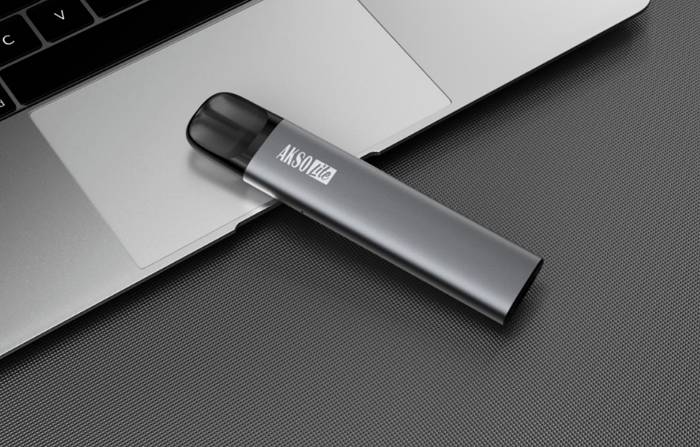
However, in a vaping market dominated by one major leader and several heavyweight players, whether consumers will actually buy in remains unknown. Will the youthful momentum of newer brands prevail, or will established brands still prove more attractive despite their age? The market and consumers will ultimately decide. In any case, the biggest beneficiaries of these price cuts are undoubtedly consumers. From the era of big-cloud devices, when getting started could cost over a thousand yuan, to the rise of compact devices that brought the experience down to a few hundred yuan, and now to just a few yuan, consumers are satisfying their needs while benefiting greatly from brand competition. Whether this record-low price of 8.6 RMB is market disruption or a true breakthrough—whether it is corporate self-rescue or simply a cash-burning giveaway—remains to be seen.