In recent years, the vaping industry has developed rapidly, with some brands going public in just a few years and reaching market values of over tens of billions. To both smokers and non-smokers, e-cigarettes seem more like a tech product. So what exactly
In recent years, the e-cigarette industry has developed well, with several brands successfully going public and reaching a market value of over 10 billion. To smokers and non-smokers alike, e-cigarettes seem more like a tech product. So, what exactly are e-cigarettes? How do they differ from traditional cigarettes? According to the World Health Organization (WHO), e-cigarettes are the most common forms of electronic nicotine delivery systems (ENDS) and electronic non-nicotine delivery systems (ENNDS), also known as "vapor cigarettes" or "pen-style e-cigarettes." In simpler terms, e-cigarettes are electronic devices used by individuals, typically consisting of an electronic vaporization system, rechargeable battery, electronic control device, and liquid cartridges. They work by heating the liquid inside the cartridges to produce aerosol, which users inhale into their lungs.
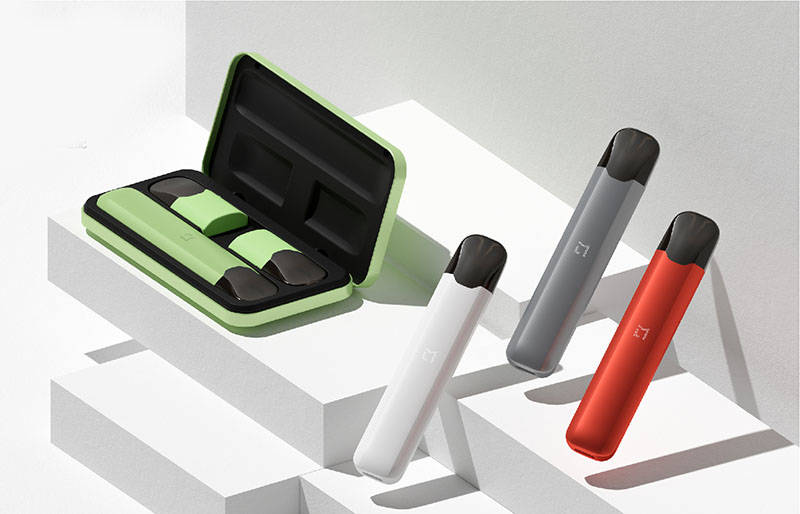
Traditional e-cigarette products resemble ordinary tobacco products, such as cigarettes, cigars, small cigars, pipes, or hookahs. However, in recent years, the forms of e-cigarettes have become increasingly diverse and discreet, with rapid product upgrades and iterations, resembling everyday items like pens or USB drives. Some innovative e-cigarette products disguise themselves as tech products or smart devices, using smart apps to adjust smoking modes and attract audiences.
Heated tobacco products are often mentioned alongside e-cigarettes and are commonly referred to in the market as "heat-not-burn tobacco" or "heat-not-burn cigarettes." Most people cannot easily distinguish between e-cigarettes and heated tobacco products. There are essential differences between the two: heated tobacco products generate inhalable aerosol by heating compressed tobacco, essentially still burning tobacco, with many products still exhibiting low-temperature combustion (at temperatures between 250-350 degrees), and are regulated as tobacco products in most countries. In contrast, e-cigarettes heat a liquid containing nicotine; they do not contain tobacco but usually include nicotine, flavorings, and chemicals like propylene glycol that help produce aerosol, and are primarily regulated by health and drug administration agencies in most countries.
The WHO Framework Convention on Tobacco Control has made it clear that countries should adopt policy measures and regulatory actions for heated tobacco products similar to those for tobacco products. Regarding e-cigarettes, the WHO believes they are harmful to health, and if they are not banned, they must be regulated, with countries implementing regulatory measures suitable for their national conditions.
Globally, establishing specific regulatory policies for e-cigarettes and heated tobacco products has become a trend. In 2020, the Johns Hopkins University Global Tobacco Control Research Institute (IGTC) found that as of June 2020, 100 countries had established national-level laws and regulatory measures related to e-cigarettes, including minimum age for use, advertising regulations, sponsorship, packaging, product standards, and more. Additionally, 48 countries have introduced management regulations and classifications related to heated tobacco products.
Lai Mi has the full industrial support of the Five Leaves God Group, with its Xinhua Intelligent Manufacturing providing supply chain manufacturing support, and the Shennong Tobacco Science Institute, which has won the National Science and Technology Progress Award, providing flavor development and harm reduction technology support. All products comply with national regulations.