
Which Is More Harmful, E-Cigarettes or Cigarettes? How Effective Are E-Cigarettes for Quitting Smoki
Which Is More Harmful, E-Cigarettes or Cigarettes? How Effective Are E-Cigarettes for Quitting Smoking?
E-cigarettes have become increasingly popular since their introduction in the United States in 2007 (Breland, A. et al., 2014). They provide an aerosol (vapor) containing nicotine, flavorings, and other chemicals. Some are rechargeable and/or refillable. Their nicotine content ranges from 0 to 36 mg/mL and comes in various flavors, including fruit, coffee, cola, menthol, and candy. Flavored tobacco products are primarily used by young people and new smokers. Despite the growing use of e-cigarettes, there is limited research on their safety and their role in smoking cessation.
What Do We Know About E-Cigarettes?

Labeling issues: It has been found that e-cigarette labels do not always represent the actual nicotine content. Smoking behaviors (such as continuous smoking like traditional cigarettes and intermittent smoking) and the delivery systems used by each brand of e-cigarette affect the amount of nicotine delivered (Goniewicz, M.L. et al., 2014). Nevertheless, it is known that e-cigarettes do not increase blood nicotine levels as much as smoking does.
Lung Function: Studies on the short-term adverse effects of e-cigs on lung function have shown mixed results. Some (Breland, A.B. et al., 2014) found acute effects similar to smoking, while others reported no short-term effects.
Exposure to Toxins and Particles: This is a concern for both e-cigarette users and bystanders (secondhand smoke). Current data suggest that the nicotine levels in e-cigarette vapor that bystanders are exposed to are lower than those in cigarette smoke. However, a study (Schober et al., 2014) observed indoor pollution caused by three individuals vaping for two hours, finding nicotine and other potentially carcinogenic substances at levels higher than typically found in indoor air. Although e-cigarettes release less nicotine than traditional cigarettes, there are still concerns about what they release into the air beyond harmless water vapor. Research on the fine particulate matter released in e-cigarette vapor indicates that the quantity and size of particles in e-cigarette vapor are similar to those in traditional cigarette smoke, depending on the nicotine level in the e-liquid (Grana, R. et al., 2014). These fine particles can increase the risk of inflammation, cardiovascular, and respiratory diseases.

Smoking Cessation Tools: E-cigarettes are marketed as aids for quitting smoking, similar to nicotine patches and gum. Research investigating the potential benefits of e-cigarettes for smoking cessation has not shown an increase in the success rate of quitting among smokers. In fact, a clinical trial (Bullen, C. et al., 2013) found that e-cigarettes were no better than nicotine patches for quitting, regardless of whether counseling was provided. The quit rates were very low. In some studies (Grana, R. et al., 2014), participants who used e-cigarettes to quit smoking were still smoking half a pack a day by the end of the study. This does not support the use of e-cigarettes for quitting. Whether reducing the number of traditional cigarettes smoked while using e-cigarettes will have significant health impacts remains to be seen. The U.S. Secretary of Health concluded (U.S. Department of Health and Human Services, 2014) that reducing the number of cigarettes smoked is significantly less effective in avoiding the risk of premature death associated with smoking compared to complete cessation.
Regulation: The e-cigarette industry is currently not regulated by the federal government but is under the jurisdiction of state and local governments. The FDA has the authority to regulate these products and has expressed the intent to do so. Some states and municipalities have restricted the sale and use of e-cigs to minors and in smoke-free indoor environments (Goniewicz, M.L. et al., 2014), but stricter regulations are encouraged by many, including the World Health Organization, due to concerns that e-cigs may lead to a new generation of smokers, undermining public health progress against tobacco.
The Bottom Line: The ingredients in e-cigarettes vary significantly between products, and thus the few studies conducted so far cannot represent the vast array of products on the market. Additionally, the lack of regulation increases safety concerns regarding products. It remains unclear whether e-cigarettes will reduce the risk of cancer, heart disease, and lung disease for smokers. If you are considering using e-cigarettes as an alternative to cigarettes or as a cessation tool, it is best to consult your doctor. Further research is needed on the particles measured in vapor. Given the highly addictive nature of nicotine, the increasing use of e-cigarettes among young people is concerning. Studies (Goniewicz, M.L. et al.) report that one-third of adolescents who use e-cigarettes have never smoked traditional cigarettes. This further emphasizes the need for research, regulation, and targeted educational programs.
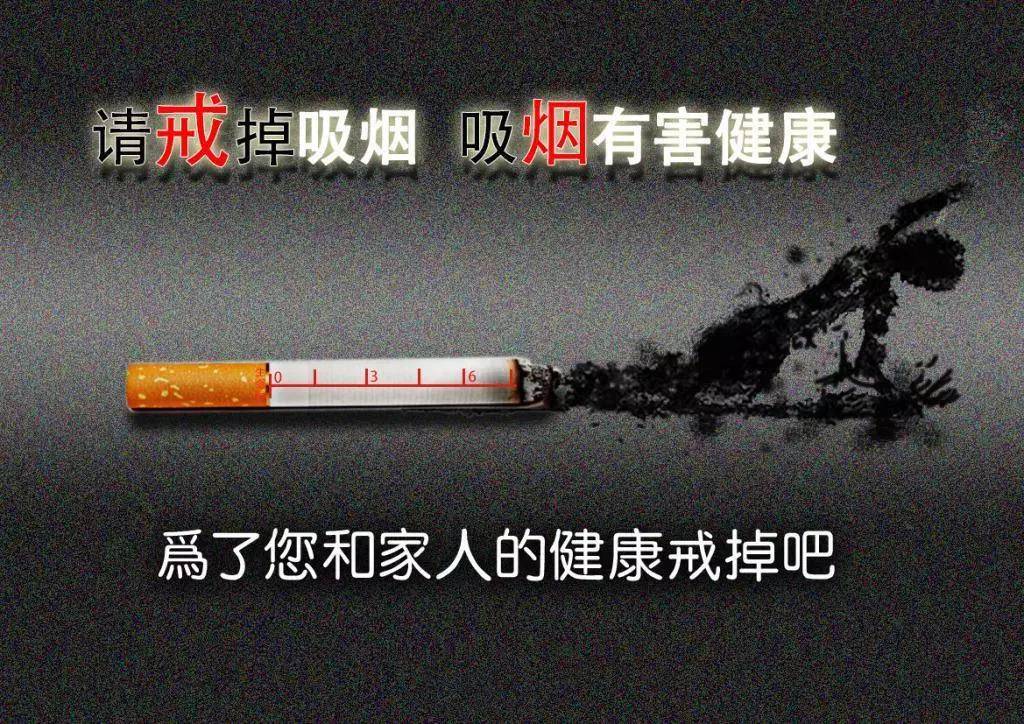
Encourage those trying to quit smoking to consult with their doctors to find the best methods to meet their needs. Learn how to support those trying to quit smoking in the health behavior guidance courses at Cooper College. For more information on other risk factors for cardiovascular disease, register for a live or online personal training education course.
References:
Bullen, C., Howe, C., Laugesen, M. et al. (2013). Electronic cigarettes for smoking cessation: a randomized controlled trial. The Lancet, 382:1629 – 1637.
Breland, A.B., Spinkse, T., Weaver, M. & Eissenberg, T. (2014). Science and electronic cigarettes: current data and future needs. Journal of Addiction Medicine, 8(4), 223-233.
Goniewicz, M.L., Hajek, P. & McRobbie, H. (2014). Nicotine content of electronic cigarettes, its release in vapor and its consistency across batches: regulatory implications. Addiction, 109:500 – 507.
Grana, R., Benowitz, N. & Stanton, G. (2014). E-cigarettes: a scientific review. Circulation, 129:1972 – 1986.
Schober, W., Szendrei, K., Matzen, W., et al. (2014). Use of e-cigarettes harms indoor air quality and increases FeNO levels in e-cigarette consumers. International Journal of Hygiene and Environmental Health, 217, 628 -637.
U.S. Department of Health and Human Services (2014). The health consequences of smoking: 50 years of progress: a report of the Surgeon General. Atlanta, GA: Centers for Disease Control and Prevention, National Center for Chronic Disease Prevention and Health Promotion, Office on Smoking and Health.


