
Frequent Injuries Caused by Low-Quality E-Cigarettes, 80% Linked to Battery Failures
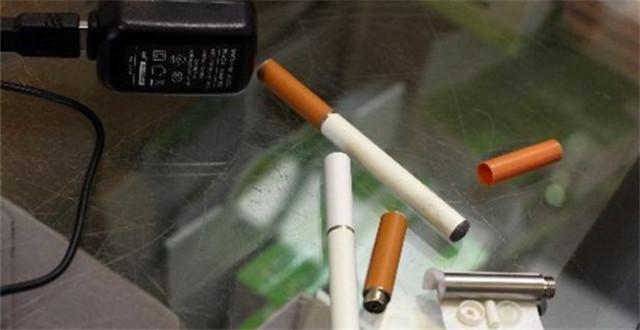
In recent years, with the popularity of e-cigarettes, incidents of e-cigarette-related injuries have gradually increased. Investigations have found that 80% of these incidents are related to e-cigarette battery failures, especially during charging.
According to a report from the foreign media "mlive" on March 11, just yesterday, a man in Santa Ana, Southern California, was burned in the face while using an e-cigarette. It was reported that the man was using a modified e-cigarette in his bedroom around 1:45 AM. When he quickly pulled the device away from his face, it exploded. The explosion was so severe that fragments of the battery-operated device flew throughout the room, with a small piece getting lodged in the ceiling of his bedroom, and the clothes on his bed caught fire.
Currently, this man in his twenties is receiving treatment for facial and hand burns, particularly cuts caused by the explosion, and the cause of the incident is under further investigation.
Meanwhile, Washtenaw County in the U.S. is discussing whether to ban indoor vaping. Residents of Washtenaw County now have the opportunity to propose a ban on indoor vaping. The local board has announced a public hearing on March 18. Opinions among local officials vary widely regarding the potential ban on indoor vaping. Despite opposition, Washtenaw County health department official Allen received preliminary approval last week to hold the hearing.
Research indicates that the vapor emitted by e-cigarette devices may lead people to unknowingly inhale e-cigarettes. However, board member Conan Smith, who opposes this, stated that he has reviewed relevant scientific literature and found no scientific conclusion on whether inhaling e-cigarettes affects bystanders. Conan Smith stated, "When we have new technological inventions, we must be very cautious in imposing restrictions on them; we must first understand the scientific principles involved before making an objective decision. In my view, restrictions must be carefully considered between behaviors that make us uncomfortable and those that harm others."
Regarding the public hearing to make a final decision, Dan Smith voted against it. Dan Smith believes that the current regulations already include e-cigarettes and similar devices. If the current regulations already cover them, there is no need to amend them, making the regulations more complex and confusing. In my view, we should maintain the existing regulations, focusing on better implementation of those regulations.
In 2003, Washtenaw County first passed the "Clean Indoor Air Act," prohibiting smoking in public and private workplaces, including restaurants, public transportation stations, retail stores, sports venues, and other public places. However, these restrictions do not include private residences, tobacco shops, and gambling establishments.
The current regulations define smoking as inhaling, exhaling, burning, or carrying any lit cigar, cigarette, pipe, wild herb, plant, or related substance or product. Dan Smith stated that the so-called related substances or products already include e-cigarettes and similar items; he has consulted with a lawyer on this issue, and the lawyer agrees with this view.
Conan Smith also mentioned that a friend of his is currently using e-cigarettes as a tool to help quit smoking. His friend said, "Buying cartridges with special nicotine components to replace traditional cigarettes can reduce harmful substance intake while helping to quit smoking; why not? Banning indoor vaping is clearly unreasonable and detrimental to smokers trying to quit."
Rabinoitz stated in a memorandum submitted to the board that existing research on e-cigarettes indicates that some substances used in e-cigarette cartridges can be carcinogenic. It is reported that this public hearing will be held on March 18 at 6:45 PM in Ann Arbor, Michigan.
Additionally, yesterday in Texas, another explosion-related injury incident occurred involving an e-cigarette.
A man named Powell in Texas has filed a lawsuit against a store after two e-cigarette batteries he purchased from the store exploded in his pocket, causing severe burns to his lower body. According to the Dallas Parkland Memorial Hospital, Powell's burns are classified as first and second-degree burns, indicating deep tissue damage.
Powell's lawyer has now filed a lawsuit in Tarrant County Civil Court against the store named Vixen Vapors, seeking over $1 million in damages. Vixen Vapors is a local chain store specializing in e-cigarettes and related products.
Powell's lawyer stated, "The e-cigarette batteries sold by Vixen Vapors are highly dangerous and do not meet the design standards and specifications for e-cigarette batteries." The case is currently under further review.
According to a report released by the U.S. Fire Administration last September, most fires and explosion incidents caused by e-cigarettes are related to battery failures. From 2009 to 2014, at least 25 e-cigarette incidents were related to batteries.
Reports also indicate that 80% of incidents occur while charging e-cigarette batteries. Generally, the likelihood of lithium batteries in e-cigarettes failing is low, but it is understandable that the failure rate has increased with the popularity of e-cigarettes; however, manufacturers are still advised to consider changing the way e-cigarettes connect to power to ensure 100% safety.
U.S. e-cigarette researchers state that authorities need to impose more regulatory measures on e-cigarettes, such as how e-cigarette devices are manufactured, and establish dedicated agencies to enforce these regulations and supervise e-cigarette manufacturers.


