
What Materials Are Used for Vape Drip Tips?
What materials are used for vape drip tips? The mouthpiece is the part of a vape that comes into closest contact with the user and is touched frequently during use. The choice of drip tip material and shape design is closely related to the overall vaping
What materials are used for vape drip tips? The vape drip tip is the part that comes into close contact with consumers, frequently touched during use, and the choice of material and design of the drip tip closely relates to the vaping experience. The selection of materials for vape drip tips is still under further development and exploration.
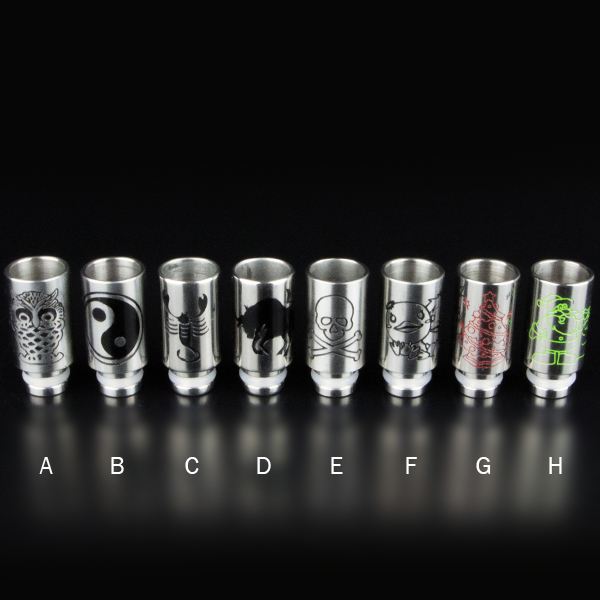
What materials are used for vape drip tips?
Drip tips can be classified by function, shape, and material. Currently, vape drip tips can be divided into three main types based on function: flavor drip tips, direct airflow, and large vapor drip tips; based on shape, they can be categorized into tapered designs, elongated drip tips, waist-shaped designs, and 510 conical designs. The classification based on materials is even more varied; what requirements must materials meet for vape drip tips?
The requirements for selecting materials for vape drip tips include:
Food-grade FDA certification;
Good wear resistance, toughness, self-lubricating and friction-resistant properties;
Heat resistance, good stability, and thermal insulation;
Materials must have plasticity, etc.
Materials that meet the selection requirements for vape drip tips include plastics (PC, PCTG, PEI, POM, etc.), metals (stainless steel, aluminum alloy, etc.), ceramics, wood, glass, etc. Below is a list of relevant information regarding these drip tip materials for reference:
1. Plastics
1. POM
Polyoxymethylene, commonly known as "super steel" or "race steel," has high strength, rigidity, good elasticity, and excellent wear resistance.
It can reach up to 160°C in the short term and can be used in a temperature range of -40°C to 100°C for long periods. It has good compatibility with metals, is cost-effective, and has good coloring properties.
Currently, brands like Green Yunda, Airlite Magic Cap, and Sea Wolf use POM material for their vape drip tips.
POM raw material suppliers include Teconn, DuPont, Asahi Kasei, Mitsubishi, Toray, BASF, and Yuntianhua.
2. PEI
PEI, or polyetherimide, is a non-crystalline thermoplastic with high mechanical strength and rigidity, excellent creep resistance at high working temperatures, and very good hydrolysis resistance and dimensional stability. The downside is its slightly higher price, which is why it is used in mid to high-end atomizer drip tips.
PEI raw material suppliers include SABIC, Toray, and Idemitsu.
3. PCTG
PCTG is a non-crystalline copolyester with good toughness and impact strength, excellent low-temperature toughness, high tear resistance, and good processing performance, as well as excellent chemical resistance. It is transparent and BPA-free, mainly used in currently popular low-power pod systems, applicable for both atomizer shells and drip tips.
Currently, Eastman has patented technology that enhances the heat resistance of this material, registered under the TRITAN trademark, with commercially available TRITAN materials able to withstand temperatures up to 109 degrees. Its price is about three times that of PC.
4. PC
PC material is transparent, has good impact resistance, and excellent dimensional stability, and is used in vape atomizer chambers and drip tips. It is known that E-hose electronic water pipes use transparent PC drip tips.
2. Metals
1. Stainless Steel
Stainless steel drip tips are the most traditional material. The color of these drip tips matches that of the atomizer, achieving a harmonious design that has an indescribable beauty. However, the downside of this material is closely related to its shape; it is particularly noticeable when used for dripping, as metal conducts heat quickly and can easily become hot. Drip tips that are longer can be used with atomizers that tend to leak oil, or adjusting the resistance can help mitigate this issue. The Aspire Nautilus atomizer uses stainless steel drip tips.
2. Aluminum Alloy
Aluminum alloy is widely used in the shells of small e-cigarettes, with mature processing technology, but its application in drip tips is not very common. The Shanlan e-cigarette uses aluminum alloy for its drip tips, which is one of its unique features, designed with a flat mouthpiece carved from a single piece of aluminum alloy.
3. Ceramics
Ceramic drip tips are made from environmentally friendly ceramic materials, sintered at high temperatures to present a smooth and warm appearance. After high-temperature curing, there are no small molecular residues, and during use, no harmful substances are released when heated by the vapor, making them more durable and environmentally safe compared to plastic materials. However, ceramic drip tips can accumulate heat easily, which may cause discomfort, making them more suitable for low-power devices.
Glass
Glass drip tips have thermal insulation properties and are transparent, but the disadvantage is that they are fragile and difficult to shape, leading to less frequent use, mostly in atomizer chambers.
Wood
Wooden drip tips may feel a bit rough during use but have thermal insulation and environmental advantages. This type of direct airflow drip tip, combined with wood material, is a good choice for dripping atomizers, but the design of wooden drip tips is generally not very aesthetic, and the unique processing of wood takes longer than other materials.
What materials are used for vape drip tips? In terms of appearance, glass, stainless steel, and ceramic drip tips have advantages, while plastic drip tips are better in terms of practicality. Which material do you think will be more widely used in vape applications?
What materials are used for vape drip tips?
Drip tips can be classified by function, shape, and material. Currently, vape drip tips can be divided into three main types based on function: flavor drip tips, direct airflow, and large vapor drip tips; based on shape, they can be categorized into tapered designs, elongated drip tips, waist-shaped designs, and 510 conical designs. The classification based on materials is even more varied; what requirements must materials meet for vape drip tips?
The requirements for selecting materials for vape drip tips include:
Food-grade FDA certification;
Good wear resistance, toughness, self-lubricating and friction-resistant properties;
Heat resistance, good stability, and thermal insulation;
Materials must have plasticity, etc.
Materials that meet the selection requirements for vape drip tips include plastics (PC, PCTG, PEI, POM, etc.), metals (stainless steel, aluminum alloy, etc.), ceramics, wood, glass, etc. Below is a list of relevant information regarding these drip tip materials for reference:
1. Plastics
1. POM
Polyoxymethylene, commonly known as "super steel" or "race steel," has high strength, rigidity, good elasticity, and excellent wear resistance.
It can reach up to 160°C in the short term and can be used in a temperature range of -40°C to 100°C for long periods. It has good compatibility with metals, is cost-effective, and has good coloring properties.
Currently, brands like Green Yunda, Airlite Magic Cap, and Sea Wolf use POM material for their vape drip tips.
POM raw material suppliers include Teconn, DuPont, Asahi Kasei, Mitsubishi, Toray, BASF, and Yuntianhua.
2. PEI
PEI, or polyetherimide, is a non-crystalline thermoplastic with high mechanical strength and rigidity, excellent creep resistance at high working temperatures, and very good hydrolysis resistance and dimensional stability. The downside is its slightly higher price, which is why it is used in mid to high-end atomizer drip tips.
PEI raw material suppliers include SABIC, Toray, and Idemitsu.
3. PCTG
PCTG is a non-crystalline copolyester with good toughness and impact strength, excellent low-temperature toughness, high tear resistance, and good processing performance, as well as excellent chemical resistance. It is transparent and BPA-free, mainly used in currently popular low-power pod systems, applicable for both atomizer shells and drip tips.
Currently, Eastman has patented technology that enhances the heat resistance of this material, registered under the TRITAN trademark, with commercially available TRITAN materials able to withstand temperatures up to 109 degrees. Its price is about three times that of PC.
4. PC
PC material is transparent, has good impact resistance, and excellent dimensional stability, and is used in vape atomizer chambers and drip tips. It is known that E-hose electronic water pipes use transparent PC drip tips.
2. Metals
1. Stainless Steel
Stainless steel drip tips are the most traditional material. The color of these drip tips matches that of the atomizer, achieving a harmonious design that has an indescribable beauty. However, the downside of this material is closely related to its shape; it is particularly noticeable when used for dripping, as metal conducts heat quickly and can easily become hot. Drip tips that are longer can be used with atomizers that tend to leak oil, or adjusting the resistance can help mitigate this issue. The Aspire Nautilus atomizer uses stainless steel drip tips.
2. Aluminum Alloy
Aluminum alloy is widely used in the shells of small e-cigarettes, with mature processing technology, but its application in drip tips is not very common. The Shanlan e-cigarette uses aluminum alloy for its drip tips, which is one of its unique features, designed with a flat mouthpiece carved from a single piece of aluminum alloy.
3. Ceramics
Ceramic drip tips are made from environmentally friendly ceramic materials, sintered at high temperatures to present a smooth and warm appearance. After high-temperature curing, there are no small molecular residues, and during use, no harmful substances are released when heated by the vapor, making them more durable and environmentally safe compared to plastic materials. However, ceramic drip tips can accumulate heat easily, which may cause discomfort, making them more suitable for low-power devices.
Glass
Glass drip tips have thermal insulation properties and are transparent, but the disadvantage is that they are fragile and difficult to shape, leading to less frequent use, mostly in atomizer chambers.
Wood
Wooden drip tips may feel a bit rough during use but have thermal insulation and environmental advantages. This type of direct airflow drip tip, combined with wood material, is a good choice for dripping atomizers, but the design of wooden drip tips is generally not very aesthetic, and the unique processing of wood takes longer than other materials.
What materials are used for vape drip tips? In terms of appearance, glass, stainless steel, and ceramic drip tips have advantages, while plastic drip tips are better in terms of practicality. Which material do you think will be more widely used in vape applications?


