Are E-Cigarettes Safe? Five Hot Questions Answered
As a product that has been on the market for more than a decade, safety has always been a key focus in the development of vaping devices. At the same time, users are also highly concerned about their safety. Many consumers and people interested in vaping
As a product that has been around for more than a decade, the safety of e-cigarettes has always been a key focus for manufacturers during R&D. At the same time, users are also highly concerned about e-cigarette safety. Many consumers and people interested in e-cigarettes have doubts about their practicality and safety, with the biggest concern being safety itself. So, are e-cigarettes safe? Here are five hotly discussed questions and answers.

Are e-cigarettes really more harmful than traditional cigarettes?
It is currently impossible to prove that e-cigarettes are completely harmless to the human body, but there is solid experimental evidence showing that they are less harmful than traditional cigarettes. Simply put, e-cigarettes do not produce tar or carbon dioxide, both of which are highly damaging to the lungs, nor do they expose people nearby to the harms of secondhand smoke. Claims circulating online that e-cigarettes are many times more harmful than cigarettes have no supporting evidence whatsoever and are completely groundless.
Can e-cigarettes explode?
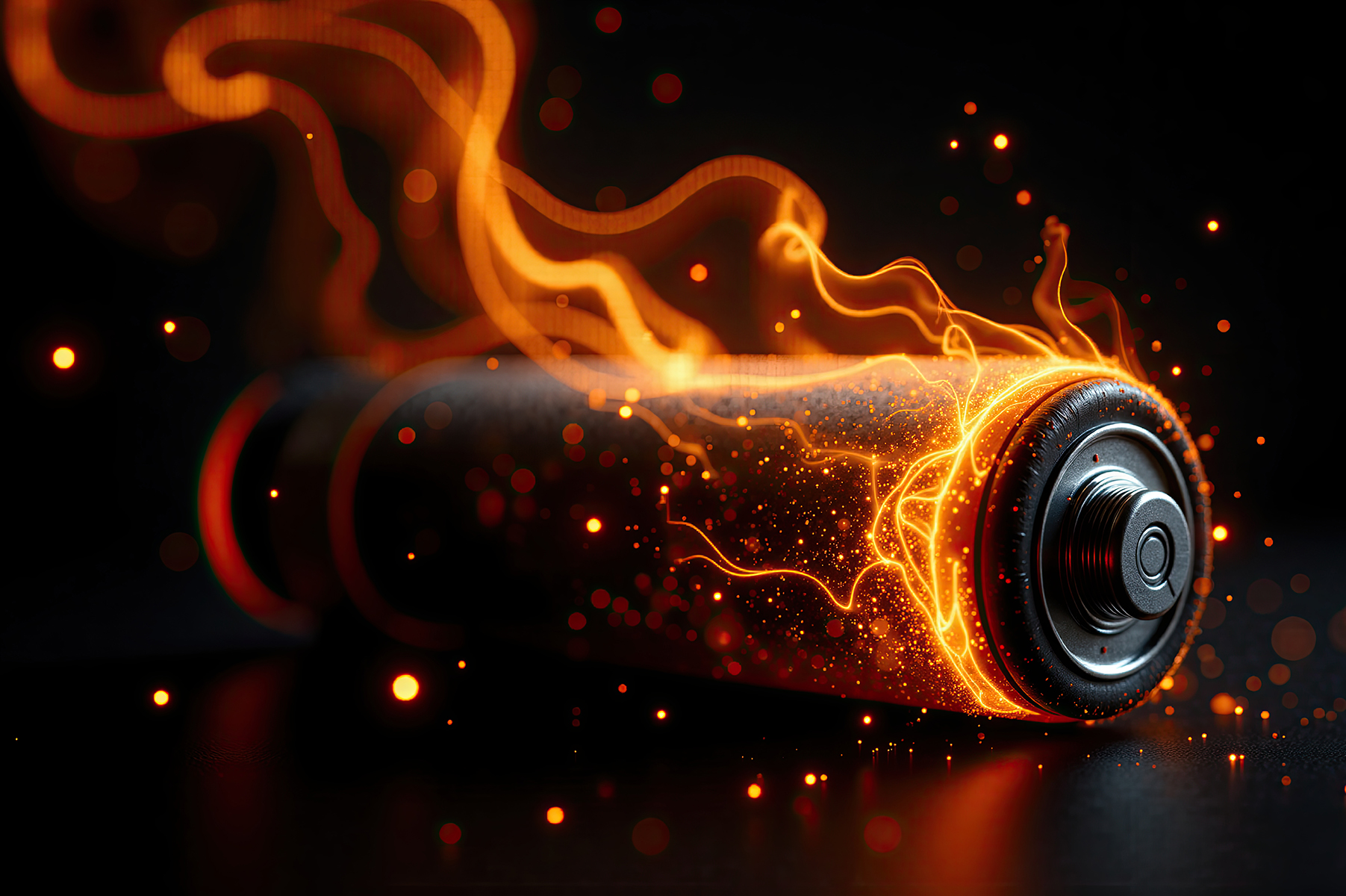
This is another rumor widely spread online. E-cigarettes themselves generally do not pose an explosion risk; the real source of danger is the battery. To prevent accidents, users should first choose batteries from reputable manufacturers, and make sure the batteries have no torn wrapping, leakage, dented terminals, or other damage. E-cigarettes should also be kept away from high temperatures and excessively humid environments during use.
Can heating coils produce toxic substances?
In fact, mainstream regulated vaping devices currently still come with temperature control functions for various heating coils, although the popularity of temperature control has faded in recent years. At the same time, temperature control is somewhat more complicated to use than wattage adjustment, so many users are unwilling to add that extra burden to their daily use. Heating wires such as NI and TI used in temperature control will not produce substances harmful to the human body when operated within the temperatures intended for temperature control mode.
What should I do if I feel dizzy when using an e-cigarette?
E-liquids, including today’s nicotine salt e-liquids, come in a range of nicotine strengths for consumers to choose from. Everyone has a different tolerance to nicotine, so the suitable nicotine level also varies from person to person. Frequently using e-liquid with a high nicotine concentration may cause dizziness, similar to the lightheaded feeling some people get from smoking cigarettes. If this happens, you should stop using the e-cigarette and rest for a while. Later, you can switch to an e-liquid with a lower nicotine content.
Are mechanical mods completely unsafe?
Compared with regulated devices, mechanical mods do indeed lack chip-based protections such as short-circuit and low-voltage protection. However, that does not mean mechanical mods are necessarily unsafe. Their working principle is similar to that of a flashlight, with direct output that does not pass through a control chip. As long as beginners learn how to build their atomizers properly and ensure battery integrity, mechanical mods can be used safely.
So, are e-cigarettes safe? Given the current maturity of e-cigarette technology, they are fully capable of meeting users’ needs for smoking alternatives and nicotine satisfaction while ensuring safe use. One additional reminder: choosing e-cigarette devices, e-liquids, and batteries from reputable manufacturers, and regularly replacing batteries and maintaining the device, can also help ensure safe use.
Are e-cigarettes really more harmful than traditional cigarettes?
It is currently impossible to prove that e-cigarettes are completely harmless to the human body, but there is solid experimental evidence showing that they are less harmful than traditional cigarettes. Simply put, e-cigarettes do not produce tar or carbon dioxide, both of which are highly damaging to the lungs, nor do they expose people nearby to the harms of secondhand smoke. Claims circulating online that e-cigarettes are many times more harmful than cigarettes have no supporting evidence whatsoever and are completely groundless.
Can e-cigarettes explode?
This is another rumor widely spread online. E-cigarettes themselves generally do not pose an explosion risk; the real source of danger is the battery. To prevent accidents, users should first choose batteries from reputable manufacturers, and make sure the batteries have no torn wrapping, leakage, dented terminals, or other damage. E-cigarettes should also be kept away from high temperatures and excessively humid environments during use.
Can heating coils produce toxic substances?
In fact, mainstream regulated vaping devices currently still come with temperature control functions for various heating coils, although the popularity of temperature control has faded in recent years. At the same time, temperature control is somewhat more complicated to use than wattage adjustment, so many users are unwilling to add that extra burden to their daily use. Heating wires such as NI and TI used in temperature control will not produce substances harmful to the human body when operated within the temperatures intended for temperature control mode.
What should I do if I feel dizzy when using an e-cigarette?
E-liquids, including today’s nicotine salt e-liquids, come in a range of nicotine strengths for consumers to choose from. Everyone has a different tolerance to nicotine, so the suitable nicotine level also varies from person to person. Frequently using e-liquid with a high nicotine concentration may cause dizziness, similar to the lightheaded feeling some people get from smoking cigarettes. If this happens, you should stop using the e-cigarette and rest for a while. Later, you can switch to an e-liquid with a lower nicotine content.
Are mechanical mods completely unsafe?
Compared with regulated devices, mechanical mods do indeed lack chip-based protections such as short-circuit and low-voltage protection. However, that does not mean mechanical mods are necessarily unsafe. Their working principle is similar to that of a flashlight, with direct output that does not pass through a control chip. As long as beginners learn how to build their atomizers properly and ensure battery integrity, mechanical mods can be used safely.
So, are e-cigarettes safe? Given the current maturity of e-cigarette technology, they are fully capable of meeting users’ needs for smoking alternatives and nicotine satisfaction while ensuring safe use. One additional reminder: choosing e-cigarette devices, e-liquids, and batteries from reputable manufacturers, and regularly replacing batteries and maintaining the device, can also help ensure safe use.