What Are the Ingredients in E-Liquid?
What are the ingredients in e-liquid? E-liquid is generally made from five main categories of raw materials: PG (propylene glycol), VG (vegetable glycerin, also called glycerol), flavorings, nicotine, and other additives.
What are the ingredients in e-liquid? E-liquid is generally composed of five main categories of ingredients: PG (propylene glycol), VG (vegetable glycerin, also known as glycerol), flavoring, nicotine, and flavor-enhancing additives. Of course, different brands may also add some other substances.
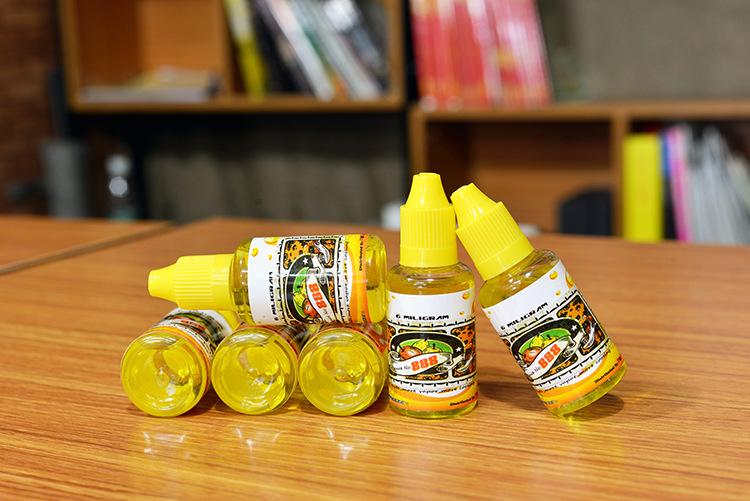
So, are these ingredients in e-liquid toxic? Let's take a look at each one.
Nicotine
Nicotine is often perceived as a harmful substance. Many people only think of nicotine as highly toxic, highly permeable, and addictive. In fact, it is also commonly found in various nightshade plants, such as peppers, eggplants, and tomatoes, and tobacco leaves are just one of those plants.
The nicotine in tobacco is addictive because it is purified. In fact, the harm of pure trace nicotine is very limited. E-liquids can contain nicotine levels ranging from 1.5mg/ml (1/8 of a cigarette's nicotine concentration) to 36mg/ml (three times the concentration of a cigarette). There are also nicotine-free e-cigarettes.
So, in terms of nicotine content, e-liquids are safe.
Flavoring
The flavoring used in e-cigarettes is generally food-grade. The biggest risk of e-liquid flavoring lies in carbon fiber microparticles. Currently, it is only possible to reduce the content of carbon fiber microparticles but not completely eliminate them. It should be noted that the carbon microparticles in cigarettes are far higher than those in e-cigarettes.
The potential risk of synthetic flavoring lies in the uncertainty during its use and formulation. Organic chemistry is not as precise as inorganic chemistry; there are countless possible combinations during the reaction process. No one knows whether a certain synthetic flavor will react with another flavor to produce unknown substances, and whether these unknown substances will decompose into other unknown or harmful substances under heating conditions. This is the fundamental reason why various toxic substances can also be detected in the vapor of e-cigarettes.
Therefore, if there are issues with the formulation of flavoring, it can be harmful to the human body. So, if you are going to purchase e-liquid, be sure to choose reputable brands.
VG (Vegetable Glycerin, also known as Glycerol)
This is what we refer to as glycerin, but if the glycerin itself is of high purity, it generally does not produce adverse reactions in healthy individuals. The low entry barrier for e-liquid factories has led to varying quality of glycerin used.
Using e-cigarettes excessively can lead to a feeling of thirst, and in severe cases, oral ulcers, due to glycerin's strong hygroscopic properties. This issue can be resolved by drinking more water.
It is important to note that a large amount of glycerin entering the body may raise blood sugar levels, so individuals with high blood sugar and diabetes should avoid using e-cigarettes! Additionally, when choosing glycerin, try to select higher quality products.
PG (Propylene Glycol)
Propylene glycol is used as a flavor solvent in e-liquids. If glycerin is too viscous, it can make it difficult to dissolve flavoring, and propylene glycol serves as the solvent. However, it should be noted that excessive inhalation of propylene glycol can irritate the respiratory tract (similar to the throat hit from nicotine). Propylene glycol can evaporate with the respiratory system, but the long-term effects of intermittent irritation and evaporation are still undetermined in the medical community.
Flavor-Enhancing Additives
Flavor-enhancing additives make inhalation smoother for users. These substances are generally not very dangerous. The flavor may vary between different production batches due to various objective reasons, such as stirring, heating, and steeping, but they should be relatively similar. More importantly, if you change devices while using this oil, the flavor will definitely be different.
So, are these ingredients in e-liquid toxic? Let's take a look at each one.
Nicotine
Nicotine is often perceived as a harmful substance. Many people only think of nicotine as highly toxic, highly permeable, and addictive. In fact, it is also commonly found in various nightshade plants, such as peppers, eggplants, and tomatoes, and tobacco leaves are just one of those plants.
The nicotine in tobacco is addictive because it is purified. In fact, the harm of pure trace nicotine is very limited. E-liquids can contain nicotine levels ranging from 1.5mg/ml (1/8 of a cigarette's nicotine concentration) to 36mg/ml (three times the concentration of a cigarette). There are also nicotine-free e-cigarettes.
So, in terms of nicotine content, e-liquids are safe.
Flavoring
The flavoring used in e-cigarettes is generally food-grade. The biggest risk of e-liquid flavoring lies in carbon fiber microparticles. Currently, it is only possible to reduce the content of carbon fiber microparticles but not completely eliminate them. It should be noted that the carbon microparticles in cigarettes are far higher than those in e-cigarettes.
The potential risk of synthetic flavoring lies in the uncertainty during its use and formulation. Organic chemistry is not as precise as inorganic chemistry; there are countless possible combinations during the reaction process. No one knows whether a certain synthetic flavor will react with another flavor to produce unknown substances, and whether these unknown substances will decompose into other unknown or harmful substances under heating conditions. This is the fundamental reason why various toxic substances can also be detected in the vapor of e-cigarettes.
Therefore, if there are issues with the formulation of flavoring, it can be harmful to the human body. So, if you are going to purchase e-liquid, be sure to choose reputable brands.
VG (Vegetable Glycerin, also known as Glycerol)
This is what we refer to as glycerin, but if the glycerin itself is of high purity, it generally does not produce adverse reactions in healthy individuals. The low entry barrier for e-liquid factories has led to varying quality of glycerin used.
Using e-cigarettes excessively can lead to a feeling of thirst, and in severe cases, oral ulcers, due to glycerin's strong hygroscopic properties. This issue can be resolved by drinking more water.
It is important to note that a large amount of glycerin entering the body may raise blood sugar levels, so individuals with high blood sugar and diabetes should avoid using e-cigarettes! Additionally, when choosing glycerin, try to select higher quality products.
PG (Propylene Glycol)
Propylene glycol is used as a flavor solvent in e-liquids. If glycerin is too viscous, it can make it difficult to dissolve flavoring, and propylene glycol serves as the solvent. However, it should be noted that excessive inhalation of propylene glycol can irritate the respiratory tract (similar to the throat hit from nicotine). Propylene glycol can evaporate with the respiratory system, but the long-term effects of intermittent irritation and evaporation are still undetermined in the medical community.
Flavor-Enhancing Additives
Flavor-enhancing additives make inhalation smoother for users. These substances are generally not very dangerous. The flavor may vary between different production batches due to various objective reasons, such as stirring, heating, and steeping, but they should be relatively similar. More importantly, if you change devices while using this oil, the flavor will definitely be different.