
What to Do If an E-cigarette Leaks?
What to do if an e-cigarette leaks? There are many types of e-cigarettes on the market, but for consumers, almost every e-cigarette has one pain point: leaking. On average, about one-third of the e-liquid in a pod is wasted due to leakage. What is leakage
What to do if an e-cigarette leaks? There are many types of e-cigarettes on the market, but for consumers, almost every e-cigarette has a common pain point: the issue of leaking e-liquid. On average, one cartridge wastes about one-third of its e-liquid due to leakage. What is leakage? It refers to e-liquid flowing out in an abnormal manner, such as from the glass exterior of the atomizer, the base of the atomizer, or the outside of the mouthpiece.
Although many solutions have been proposed to address the issue of e-cigarette leakage, such as keeping the atomizer vertical, adjusting the airflow holes, and regularly cleaning the atomizer, these only analyze the usage from the consumer's perspective and do not solve the fundamental problem. Why is it that consumer electronics like smartphones and watches have achieved near-perfect waterproofing, even resisting coffee, tea, soda, and other liquids, while the leakage issue in e-cigarettes remains unresolved?
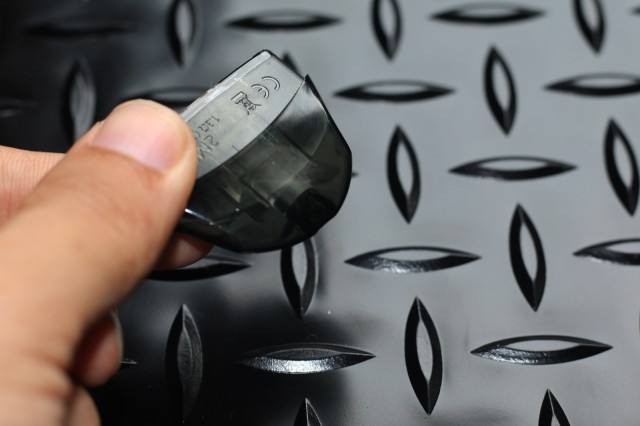
Here, I will briefly analyze the frequent leakage issue in e-cigarettes from three aspects: structural components, precision of accessories, and product design. Recently released e-cigarettes have made improvements in leakage solutions. We will look at these recent e-cigarette products that focus on leakage solutions:
The popular structure of small e-cigarette cartridges generally includes: sealing rings, atomization chambers, guide rods, and atomization cores (fiber cotton/ceramic), among other components.
Perhaps the anti-leak design of e-cigarettes can take inspiration from smartphones' waterproofing. Let's examine how the current e-cigarette market is improving leakage issues based on the main structure of the cartridge:
1. Atomization Core
What to do if an e-cigarette leaks? In response to the changing demands of consumers, McWell has launched the Feelm technology atomization chamber with a fully sealed component to prevent e-liquid leakage or dripping. Currently, RELX and YOOZ utilize this Feelm ceramic atomization core technology for their anti-leak design, and ceramic materials have strong oil affinity, making it easy to conduct e-liquid. Compared to cotton and other materials, ceramics do not have dry burning issues.
2. Atomizer Structural Design
Most popular oil storage structures are directly assembled from atomization chambers, guide rods, bases, and atomization cores, requiring high precision between product structures. This combination structure design, when not sealed tightly, is prone to leakage.
1. JVIC System
Zhuoyue adopts the innovative and unique JVIC system (liquid vertical injection coil), which separates the airflow, e-liquid intake, and e-liquid output, effectively improving leakage.
2. Multiple Protections
In addition to Zhuoyue's JVIC system design, the recently popular FLOW e-cigarette has reportedly achieved an IP56 waterproof rating, "resistant to strong splashes of water." To address the "leakage" phenomenon, FLOW has incorporated "fourfold protection" into its product, including symmetrical oil-absorbing cotton at the top, sealed screws at the bottom, mushroom-shaped ceramic atomizers, and symmetrical oil-absorbing cotton at the bottom.
3. Oil-Core Separation Structure
Recently, Baotianxiang Technology (factory) launched the BTX Little Apple, which uses a new patented anti-leak design. The cartridge employs a cotton core sensing heating element and oil-core separation technology to resist leakage! The closed cartridge features a design with a closed oil storage chamber, atomization chamber, and condensate collection chamber.
3. Sealing Ring
For electronic consumer products that require high sealing, reinforced coatings and sealed designs are generally used. In e-cigarettes, in addition to the atomization core and overall structural design, there is a sealing wonder - the sealing ring. Sealing rings are distributed across many connection points in e-cigarettes. Due to the high material requirements for e-cigarettes, the materials around the atomizer use FDA food-grade materials, while liquid silicone benefits from its softness, non-toxicity, temperature resistance, and ease of molding. It is widely used in 3C electronics such as smartphones, smartwatches, etc., in housings, card slots, or interfaces, playing an important role in sealing and waterproofing. The sealing design of e-cigarettes also relies heavily on the sealing ring.
The connection between the atomizer and the battery rod is mostly achieved through sealing rubber rings and threaded connections. Silicone rings are almost distributed at every connection point of the atomizer to the base, and electronic cigarette thermal conductive silicone and thermal conductive silicone sheets are essential components for preventing leakage and improving sealing.
Although many solutions have been proposed to address the issue of e-cigarette leakage, such as keeping the atomizer vertical, adjusting the airflow holes, and regularly cleaning the atomizer, these only analyze the usage from the consumer's perspective and do not solve the fundamental problem. Why is it that consumer electronics like smartphones and watches have achieved near-perfect waterproofing, even resisting coffee, tea, soda, and other liquids, while the leakage issue in e-cigarettes remains unresolved?
Here, I will briefly analyze the frequent leakage issue in e-cigarettes from three aspects: structural components, precision of accessories, and product design. Recently released e-cigarettes have made improvements in leakage solutions. We will look at these recent e-cigarette products that focus on leakage solutions:
The popular structure of small e-cigarette cartridges generally includes: sealing rings, atomization chambers, guide rods, and atomization cores (fiber cotton/ceramic), among other components.
Perhaps the anti-leak design of e-cigarettes can take inspiration from smartphones' waterproofing. Let's examine how the current e-cigarette market is improving leakage issues based on the main structure of the cartridge:
1. Atomization Core
What to do if an e-cigarette leaks? In response to the changing demands of consumers, McWell has launched the Feelm technology atomization chamber with a fully sealed component to prevent e-liquid leakage or dripping. Currently, RELX and YOOZ utilize this Feelm ceramic atomization core technology for their anti-leak design, and ceramic materials have strong oil affinity, making it easy to conduct e-liquid. Compared to cotton and other materials, ceramics do not have dry burning issues.
2. Atomizer Structural Design
Most popular oil storage structures are directly assembled from atomization chambers, guide rods, bases, and atomization cores, requiring high precision between product structures. This combination structure design, when not sealed tightly, is prone to leakage.
1. JVIC System
Zhuoyue adopts the innovative and unique JVIC system (liquid vertical injection coil), which separates the airflow, e-liquid intake, and e-liquid output, effectively improving leakage.
2. Multiple Protections
In addition to Zhuoyue's JVIC system design, the recently popular FLOW e-cigarette has reportedly achieved an IP56 waterproof rating, "resistant to strong splashes of water." To address the "leakage" phenomenon, FLOW has incorporated "fourfold protection" into its product, including symmetrical oil-absorbing cotton at the top, sealed screws at the bottom, mushroom-shaped ceramic atomizers, and symmetrical oil-absorbing cotton at the bottom.
3. Oil-Core Separation Structure
Recently, Baotianxiang Technology (factory) launched the BTX Little Apple, which uses a new patented anti-leak design. The cartridge employs a cotton core sensing heating element and oil-core separation technology to resist leakage! The closed cartridge features a design with a closed oil storage chamber, atomization chamber, and condensate collection chamber.
3. Sealing Ring
For electronic consumer products that require high sealing, reinforced coatings and sealed designs are generally used. In e-cigarettes, in addition to the atomization core and overall structural design, there is a sealing wonder - the sealing ring. Sealing rings are distributed across many connection points in e-cigarettes. Due to the high material requirements for e-cigarettes, the materials around the atomizer use FDA food-grade materials, while liquid silicone benefits from its softness, non-toxicity, temperature resistance, and ease of molding. It is widely used in 3C electronics such as smartphones, smartwatches, etc., in housings, card slots, or interfaces, playing an important role in sealing and waterproofing. The sealing design of e-cigarettes also relies heavily on the sealing ring.
The connection between the atomizer and the battery rod is mostly achieved through sealing rubber rings and threaded connections. Silicone rings are almost distributed at every connection point of the atomizer to the base, and electronic cigarette thermal conductive silicone and thermal conductive silicone sheets are essential components for preventing leakage and improving sealing.


