What Is Secondhand Smoke? Is Secondhand Vapor from E-Cigarettes Harmful?
What is secondhand smoke? Is secondhand vapor from e-cigarettes harmful? Today, instead of discussing smoking itself, let’s talk specifically about secondhand smoke. While smoking harms smokers’ own health, secondhand smoke causes even greater harm to non
What is secondhand smoke? Is secondhand vapor from e-cigarettes harmful? Today, instead of talking about smoking itself, let us focus only on secondhand smoke. While smoking harms the smoker’s own health, secondhand smoke causes even greater harm to non-smokers. In addition to irritating the eyes, nose, and throat, it also significantly increases the risk of lung cancer and heart disease in non-smokers.
What is secondhand smoke?
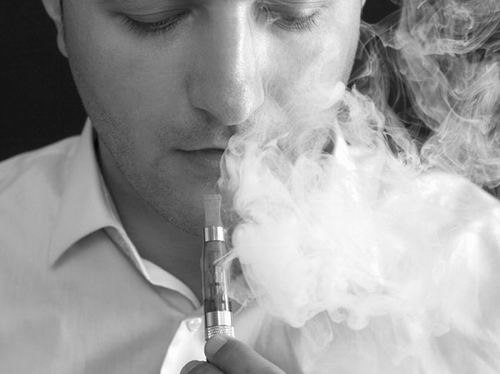
Secondhand smoke is a mixture of smoke released from a cigarette, pipe, or cigar while it burns, together with the smoke exhaled by the smoker. Wherever someone is smoking, secondhand smoke is one of the most common pollutants people are exposed to. The smoke released during smoking contains thousands of gases and particulate substances, most of which are strong irritants, and at least forty of them can cause cancer in others. Even after smokers stop smoking, these particles can remain in the air for hours, where they may be inhaled by non-smokers and may also combine with radon decay products, causing even greater harm to human health.
What is secondhand smoke? Why is secondhand smoke from cigarettes so harmful?
Secondhand smoke produced by cigarettes is actually made up of two types of smoke. One is the smoke exhaled by the smoker, known as mainstream smoke; the other is the smoke produced by the burning cigarette itself, known as sidestream smoke. Whether sidestream or mainstream, the main components include tar, nicotine, carbon monoxide, and other chemical substances. Among these, tar and carbon monoxide are both produced by burning tobacco. The harm caused by secondhand smoke comes from these combustion-generated substances.
What is secondhand smoke? Is secondhand vapor from e-cigarettes harmful?
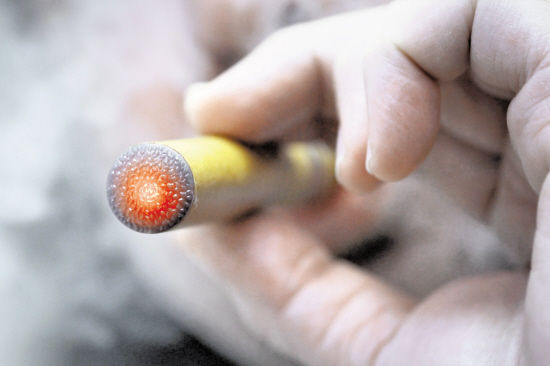
First, e-cigarettes work by atomizing nicotine, so they do not produce tar or carbon monoxide.
Second, regarding nicotine: nicotine itself is a naturally occurring alkaloid found widely in nature. Plants such as tomatoes and goji berries also contain nicotine. Nicotine itself can be addictive, but the exact harm caused by inhaled nicotine to the human body is still not fully clear.
As long as nicotine is used as an ingredient, the product contains nicotine. (Of course, some e-cigarettes remove nicotine from the formula and use only glycerin and propylene glycol, in which case they contain no nicotine.) If a cigarette and an e-cigarette contain the same amount of nicotine, which form of nicotine is more easily absorbed by others?
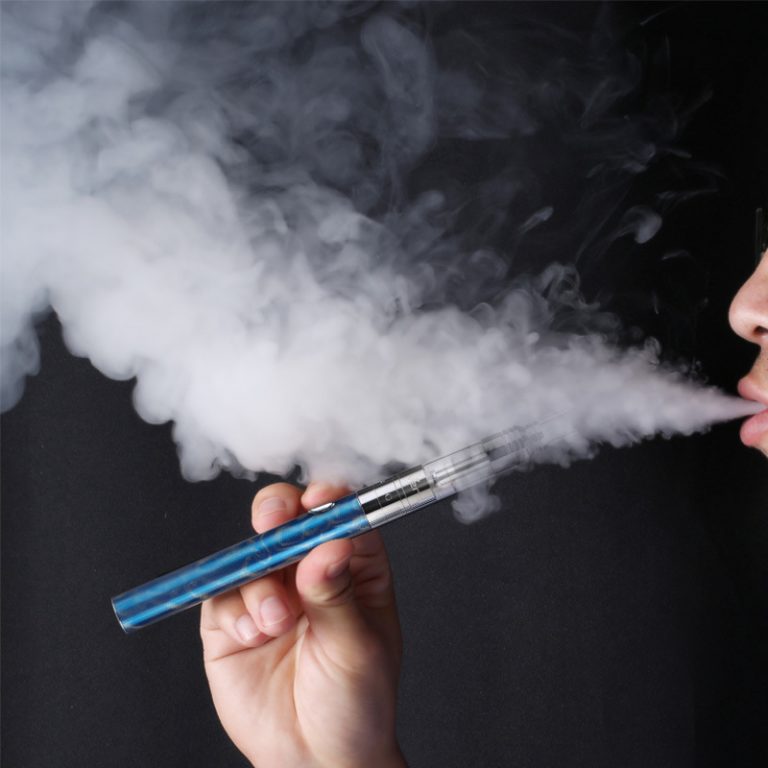
The answer is cigarettes. Nicotine from cigarettes is carried in particulate matter, with particles around the PM2.5 range. They are difficult to disperse and easier to absorb. After atomization in e-cigarettes, nicotine forms an aerosol, which is quickly diluted in the air. Once diluted, that aerosol is much harder to absorb. So the vapor produced by e-cigarettes is not the same as the smoke produced by cigarettes. Finally, the other two main ingredients in e-liquid are propylene glycol and vegetable glycerin, both of which are non-toxic substances.
E-cigarettes do not produce secondhand smoke. Finally, the editor hopes that smokers can more easily and happily switch away from cigarettes or quit smoking altogether, and that innocent secondhand smoke victims can also stay away from the harm of cigarettes.
What is secondhand smoke?
Secondhand smoke is a mixture of smoke released from a cigarette, pipe, or cigar while it burns, together with the smoke exhaled by the smoker. Wherever someone is smoking, secondhand smoke is one of the most common pollutants people are exposed to. The smoke released during smoking contains thousands of gases and particulate substances, most of which are strong irritants, and at least forty of them can cause cancer in others. Even after smokers stop smoking, these particles can remain in the air for hours, where they may be inhaled by non-smokers and may also combine with radon decay products, causing even greater harm to human health.
What is secondhand smoke? Why is secondhand smoke from cigarettes so harmful?
Secondhand smoke produced by cigarettes is actually made up of two types of smoke. One is the smoke exhaled by the smoker, known as mainstream smoke; the other is the smoke produced by the burning cigarette itself, known as sidestream smoke. Whether sidestream or mainstream, the main components include tar, nicotine, carbon monoxide, and other chemical substances. Among these, tar and carbon monoxide are both produced by burning tobacco. The harm caused by secondhand smoke comes from these combustion-generated substances.
What is secondhand smoke? Is secondhand vapor from e-cigarettes harmful?
First, e-cigarettes work by atomizing nicotine, so they do not produce tar or carbon monoxide.
Second, regarding nicotine: nicotine itself is a naturally occurring alkaloid found widely in nature. Plants such as tomatoes and goji berries also contain nicotine. Nicotine itself can be addictive, but the exact harm caused by inhaled nicotine to the human body is still not fully clear.
As long as nicotine is used as an ingredient, the product contains nicotine. (Of course, some e-cigarettes remove nicotine from the formula and use only glycerin and propylene glycol, in which case they contain no nicotine.) If a cigarette and an e-cigarette contain the same amount of nicotine, which form of nicotine is more easily absorbed by others?
The answer is cigarettes. Nicotine from cigarettes is carried in particulate matter, with particles around the PM2.5 range. They are difficult to disperse and easier to absorb. After atomization in e-cigarettes, nicotine forms an aerosol, which is quickly diluted in the air. Once diluted, that aerosol is much harder to absorb. So the vapor produced by e-cigarettes is not the same as the smoke produced by cigarettes. Finally, the other two main ingredients in e-liquid are propylene glycol and vegetable glycerin, both of which are non-toxic substances.
E-cigarettes do not produce secondhand smoke. Finally, the editor hopes that smokers can more easily and happily switch away from cigarettes or quit smoking altogether, and that innocent secondhand smoke victims can also stay away from the harm of cigarettes.